



Your Ultimate Guide to French Culinary Destinations: Explore France's Best Food Cities and Regional Dishes
France is renowned for its rich culinary heritage, making it a top destination for food lovers around the globe. This guide will take you through the best French cities known for their exceptional food experiences and the regional dishes that define them. From the bustling streets of Paris to the charming markets of Provence, you’ll discover the unique flavors and culinary traditions that make French cuisine so beloved. Many travelers seek authentic culinary experiences, and this guide will provide insights into how to navigate France’s diverse food landscape. We will explore top culinary cities, must-try regional dishes, tips for an authentic pastry tour in Paris, and essential travel advice for a successful culinary trip.
Which French cities are top destinations for culinary travel?
France boasts a variety of cities that are celebrated for their culinary offerings, each with its own unique flavors and traditions. Exploring these cities provides a deeper understanding of French culture and gastronomy.
What makes Paris the gastronomic capital of France?
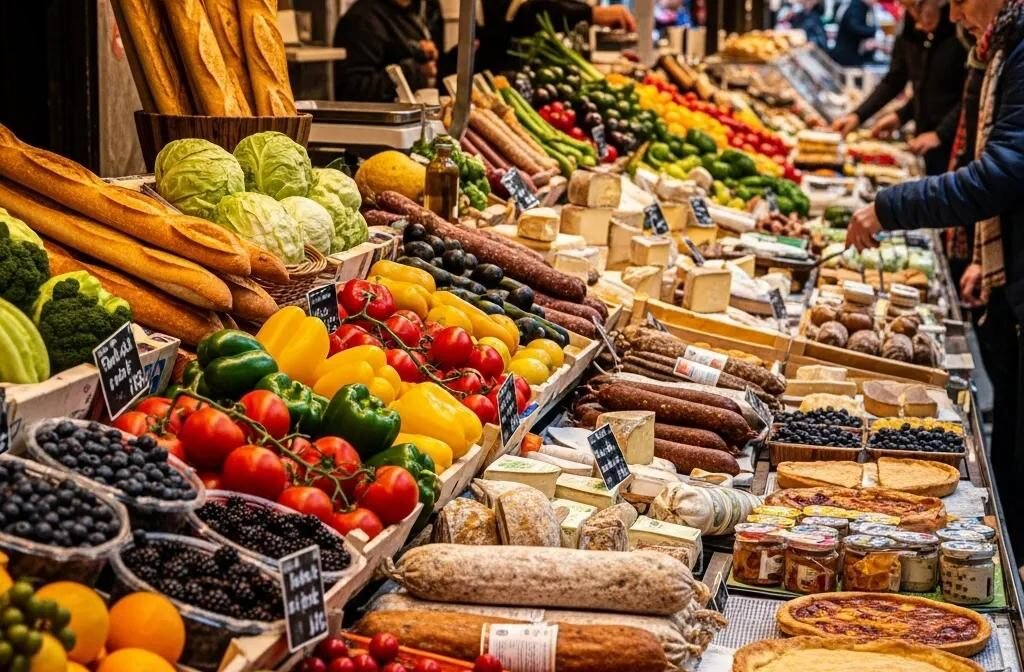
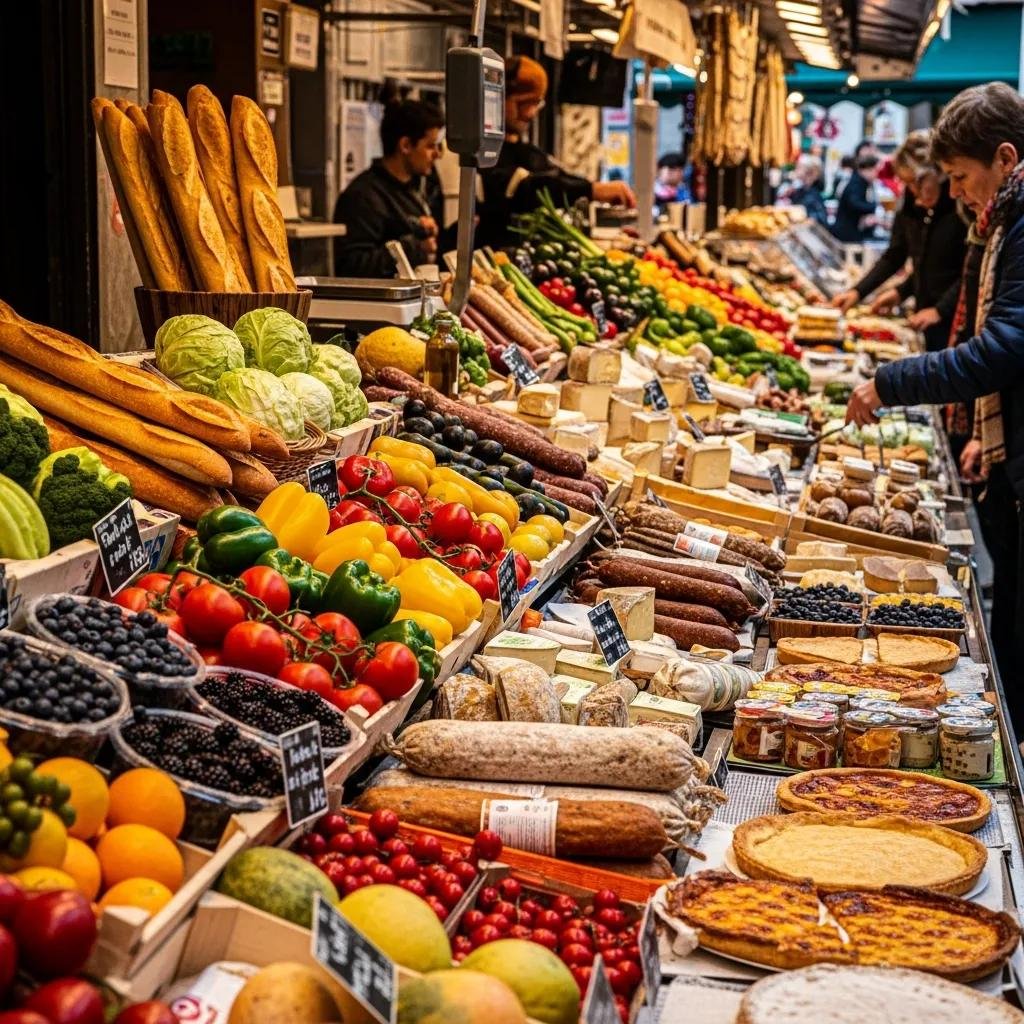
Paris is often regarded as the gastronomic capital of France, a title earned through its rich history and vibrant culinary scene. The city is home to iconic dishes such as coq au vin and ratatouille, which reflect its culinary heritage. Renowned restaurants and bistros, like Le Meurice and L’Arpège, showcase the artistry of French cuisine, while local markets like Marché Bastille offer fresh produce and artisanal products. Culinary events, such as the Fête de la Gastronomie (now called Goût de France/Good France), further highlight Paris’s commitment to food culture, making it a must-visit for any culinary traveler.
Which other French cities offer exceptional food experiences?
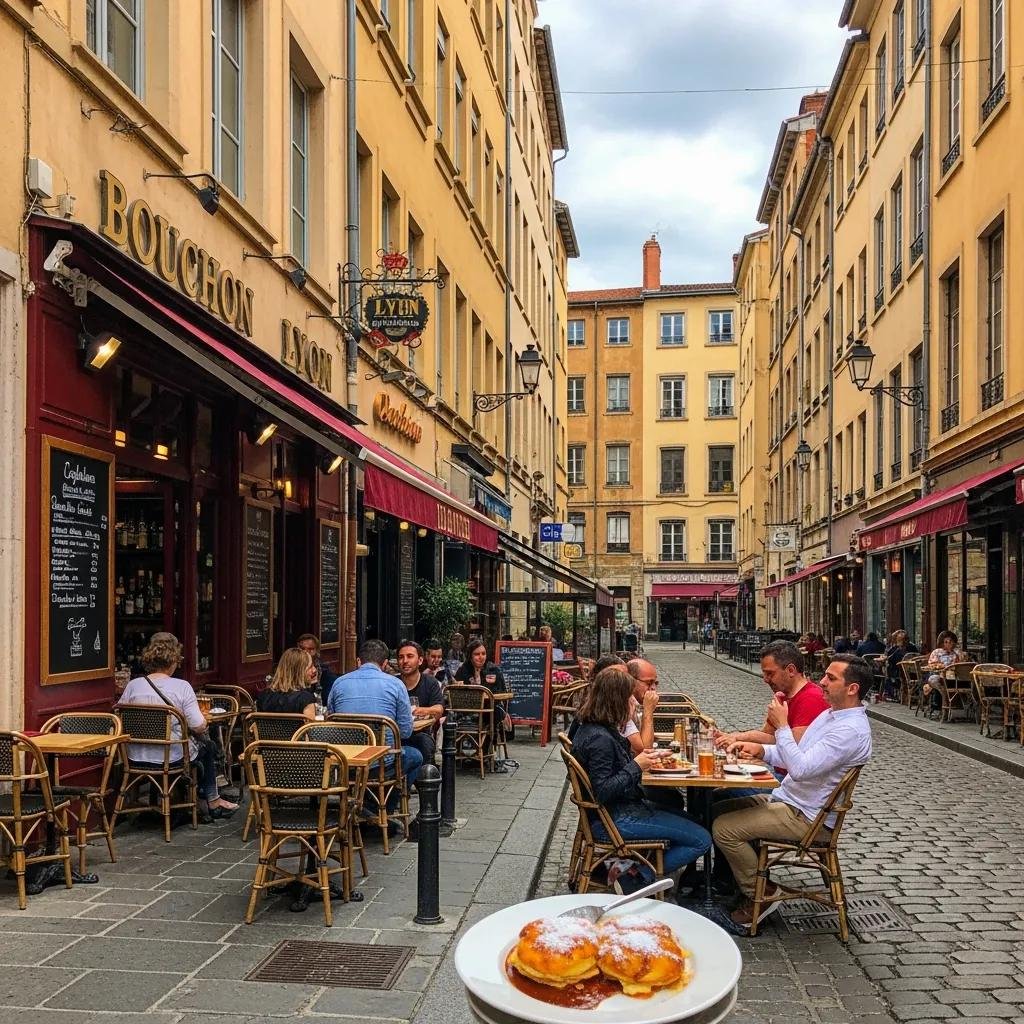
Beyond Paris, several other cities in France provide exceptional culinary experiences. Lyon, often called the “food capital of France,” is famous for its bouchons, traditional restaurants serving local specialties like quenelles and andouillette. Marseille, with its Mediterranean influence, offers dishes such as bouillabaisse, a flavorful fish stew. Bordeaux is known for its wine and gourmet cuisine, featuring dishes like cannelés and entrecôte à la bordelaise. Each city presents a unique culinary landscape, making them worthy of exploration for food enthusiasts.
What are the must-try regional French dishes across culinary destinations?
France’s diverse regions each boast their own culinary specialties, reflecting local ingredients and traditions. Understanding these dishes is essential for any culinary traveler.
How do regional specialties reflect France's diverse food culture?
Regional specialties in France are deeply influenced by geography, climate, and history. For instance, the coastal regions emphasize seafood, while inland areas focus on hearty meats and vegetables. The use of local ingredients, such as herbs from Provence or cheeses from Normandy, showcases the rich agricultural diversity of the country. This variety not only highlights the unique flavors of each region but also tells the story of France’s cultural exchanges and historical influences.
Which dishes define the culinary identity of each region?
Several dishes are emblematic of their respective regions in France. In Alsace, choucroute garnie, a dish of sauerkraut and sausages, reflects German influence. The south of France is known for ratatouille, a vegetable medley that celebrates the region’s produce. In Brittany, galettes de sarrasin, or buckwheat pancakes, are a staple, showcasing local grains. Each dish carries cultural significance and offers a taste of the region’s history and traditions.
How to experience an authentic French pastry tour in Paris?
A pastry tour in Paris is a delightful way to indulge in the city’s sweet offerings. From flaky croissants to decadent éclairs, the variety of pastries available is astounding.
What are the best patisseries to visit on a French pastry tour?
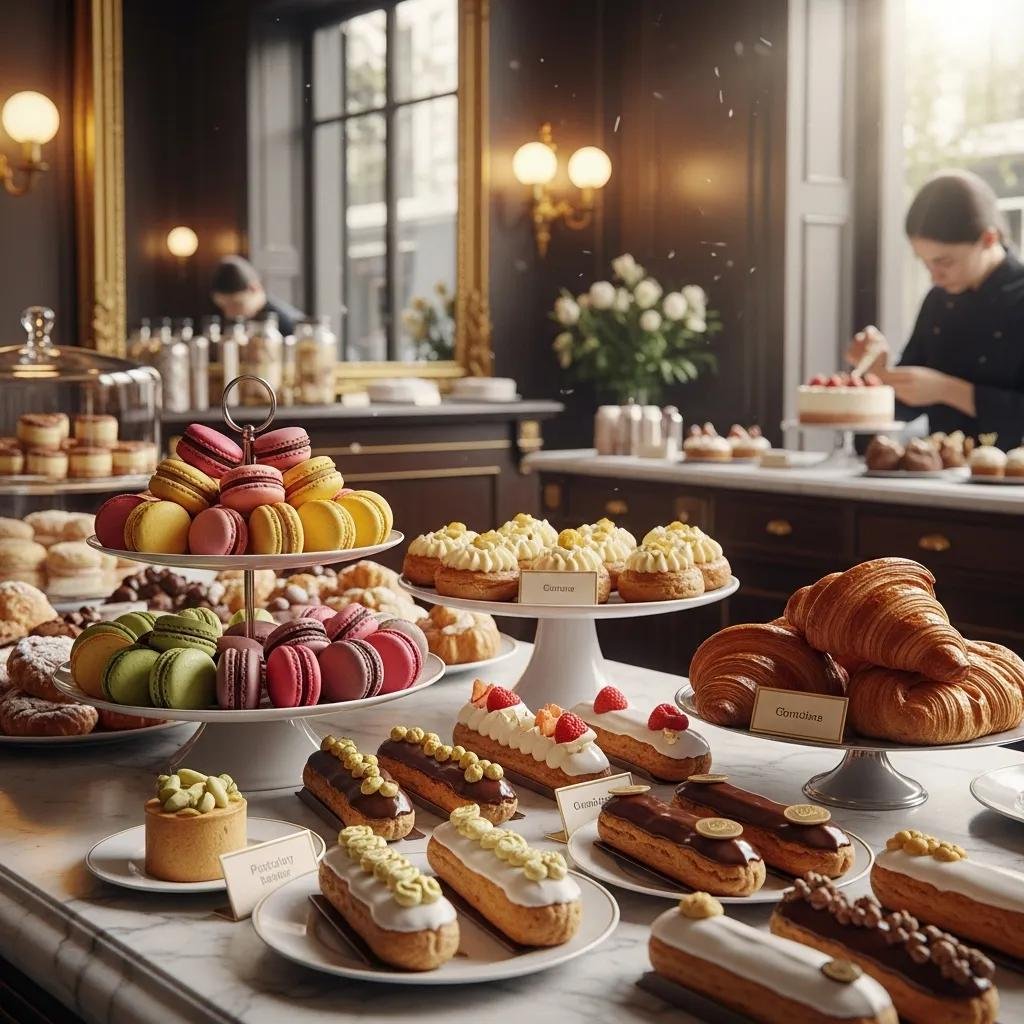
When embarking on a pastry tour in Paris, several patisseries stand out. Pierre Hermé is famous for its macarons, offering unique flavors that delight the palate. Ladurée, another iconic patisserie, is renowned for its classic macarons and beautiful pastries. For traditional French pastries, visit Du Pain et des Idées, known for its pain au chocolat and other baked goods. Each of these patisseries provides a unique experience, showcasing the artistry of French pastry-making.
Which classic French pastries should you not miss?
While in Paris, there are several classic pastries that you should not miss. The croissant, with its buttery layers, is a breakfast staple that embodies French baking. The éclair, filled with cream and topped with chocolate, is a must-try for dessert lovers. Tarte Tatin, an upside-down caramelized apple tart, offers a delightful end to any meal. Sampling these pastries provides a deeper appreciation for the craftsmanship behind French desserts.
What tips help travelers plan a successful French culinary trip?
Planning a culinary trip to France requires careful consideration to ensure a memorable experience. Here are some essential tips to help you navigate your journey.
How to choose the best food cities and culinary events?
When selecting food cities to visit, consider your culinary interests and the types of cuisine you wish to explore. Research local culinary events, such as food festivals or cooking classes, that align with your travel dates. Cities like Lyon and Paris frequently host events celebrating their culinary heritage, providing opportunities to taste local dishes and learn from chefs. Additionally, consider visiting during harvest seasons to experience fresh, seasonal ingredients.
What local customs and dining etiquette should visitors know?
Understanding local customs and dining etiquette is crucial for a respectful culinary experience in France. For instance, it is customary to greet restaurant staff with a polite “bonjour” upon entering. Tipping is appreciated but not mandatory, as service is typically included in the bill. Additionally, savoring your meal and engaging in conversation is valued, so take your time and enjoy the dining experience. Familiarizing yourself with these customs will enhance your culinary journey.
Why is France considered a global gastronomic capital?
France’s influence on global cuisine is profound, making it a recognized gastronomic capital. The country’s culinary traditions have shaped cooking techniques and styles worldwide.
How has French cuisine influenced international culinary arts?
French cuisine has significantly influenced international culinary arts through its techniques and presentation styles. Classic cooking methods, such as sautéing and poaching, are foundational in culinary schools around the world. French sauces, like béchamel and hollandaise, serve as the basis for many dishes in various cuisines. This influence extends to fine dining, where French techniques are often emulated, showcasing the enduring legacy of French gastronomy.
What role do French culinary traditions play in tourism?
Culinary tourism in France plays a vital role in attracting visitors from around the globe. Travelers seek authentic food experiences, from wine tastings in Bordeaux to cooking classes in Provence. Culinary events, such as the Salon International de l’Agriculture, draw food enthusiasts eager to explore French gastronomy. This focus on food not only enhances the travel experience but also supports local economies and preserves culinary traditions.
| City | Culinary Highlight | Signature Dish |
|---|---|---|
| Paris | Gastronomic Capital | Coq au vin |
| Lyon | Food Capital | Quenelles |
| Marseille | Mediterranean Influence | Bouillabaisse |
| Bordeaux | Wine and Gourmet | Canelés |
France’s culinary landscape is rich and varied, offering a plethora of experiences for food lovers. From the iconic dishes of Paris to the regional specialties found throughout the country, each culinary destination provides a unique taste of French culture. By exploring these cities and their offerings, travelers can gain a deeper appreciation for the art of French cuisine.