
Tips to Prevent Soggy Tart Crusts in French Baking: Expert Techniques for a Crisp, Flaky Pastry
Creating the perfect tart crust is an art that requires precision and understanding of various baking techniques. A soggy tart crust can ruin even the most exquisite fillings, leaving bakers frustrated. In this article, we will explore expert tips to prevent soggy tart crusts, ensuring your French pastries are always crisp and flaky. You will learn about the causes of soggy crusts, the importance of blind baking, effective moisture barrier techniques, and the best baking equipment to use. By the end, you will be equipped with the knowledge to create perfect tart crusts every time.
Why Does Tart Crust Become Soggy and How Can You Avoid It?
A soggy tart crust often results from excess moisture, which can stem from various sources. Understanding these causes is crucial for prevention.
What Causes Excess Moisture in Tart Crusts?
Excess moisture in tart crusts can arise from several factors. High humidity levels in the kitchen can introduce moisture into the dough, making it difficult to achieve a crisp texture. Additionally, ingredients with high moisture content, such as fresh fruits or wet fillings, can seep into the crust during baking, leading to sogginess. To combat this, it is essential to manage both the environment and the ingredients used in your tart.
The challenge of managing moisture transfer in food products, particularly in composite dishes like tarts, is a well-recognized issue in food science.
Controlling Moisture Transfer for Food Texture and Quality
Today, controlling mass, and more specifically moisture transfer, still remains an important challenge to maintain the quality of fresh or processed products, such as fruits, meats and seafood products. In ready-to-eat composite foods, the limitation of internal moisture transfer between components is also of major concern. It has gained in importance as consumers’ demand for this kind of convenient product has increased. Moisture transfer from the “wet” to the “dry” component of these products affect the physical properties, especially texture, and chemical composition of the food system, and consequently its quality and shelf-life (Katz and Labuza 1981).
Edible moisture barriers for food product stabilization, C Bourlieu, 2008
How Does Filling Type Affect Tart Crust Texture?
The type of filling used in a tart significantly impacts the crust’s texture. Wet fillings, such as custards or fruit compotes, can release moisture during baking, which can be absorbed by the crust. In contrast, drier fillings, like frangipane or ganache, are less likely to cause sogginess. Choosing the right filling and ensuring it is not overly wet can help maintain the integrity of the tart crust.
How Does Blind Baking Help Prevent a Soggy Tart Crust?
What Is Blind Baking and Why Is It Essential?
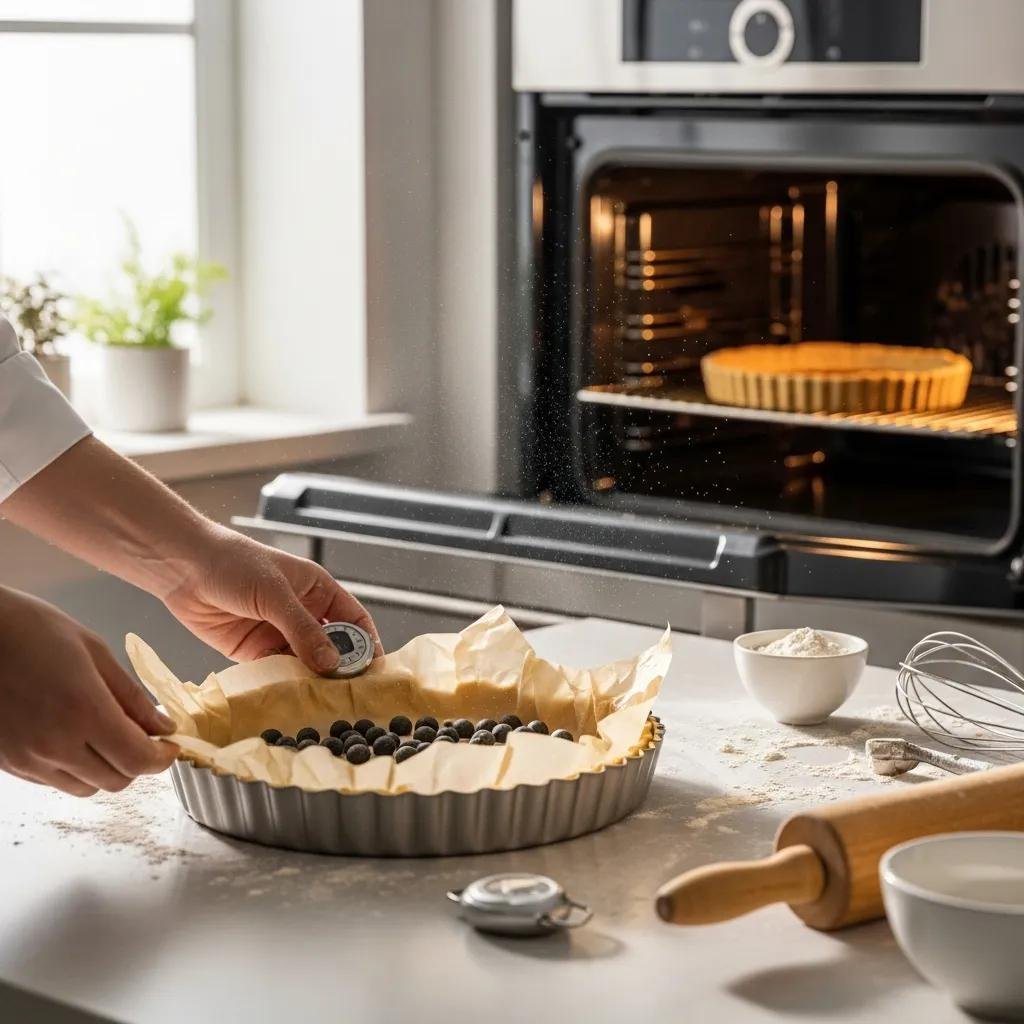
Blind baking involves partially or fully baking the tart crust without the filling. This process helps to set the crust and create a barrier against moisture. By pre-baking, you ensure that the crust cooks thoroughly, preventing it from becoming soggy when the filling is added. This technique is particularly important for tarts with wet fillings, as it allows the crust to firm up before moisture is introduced.
How to Blind Bake a Tart Crust Step-by-Step with Pie Weights
- Preheat your oven to 375°F (190°C).
- Roll out your tart dough and fit it into the tart pan, trimming any excess.
- Prick the bottom of the crust with a fork to prevent bubbling.
- Line the crust with parchment paper and fill it with pie weights or dried beans.
- Bake for 15-20 minutes, then remove the weights and parchment.
- Return the crust to the oven for an additional 5-10 minutes until golden brown.
A crucial detail in the blind baking process, as highlighted by baking resources, is the importance of pricking the crust to prevent bubbling.
Pricking Tart Crusts to Prevent Bubbling
Set the weights aside to cool and store for another use. Prick the crust in about 6 places with a fork to prevent the crust from bubbling up.
Fearless Baking: Over 100 Recipes That Anyone Can Make, 2001
This method ensures that your tart crust is well-cooked and ready to hold any filling without becoming soggy.
Further emphasizing the meticulous nature of blind baking, culinary guides detail the precise use of parchment paper and pie weights to achieve optimal results.
Blind Baking with Parchment and Pie Weights
Line the pie crust with parchment paper or a double layer of aluminum foil and add pie weights or dry beans. Bake for 15 minutes, then remove the paper and weights and
Not-So-Humble Pies: An iconic dessert, all dressed up, 2012
What Are Effective Moisture Barrier Techniques for Tart Crusts?
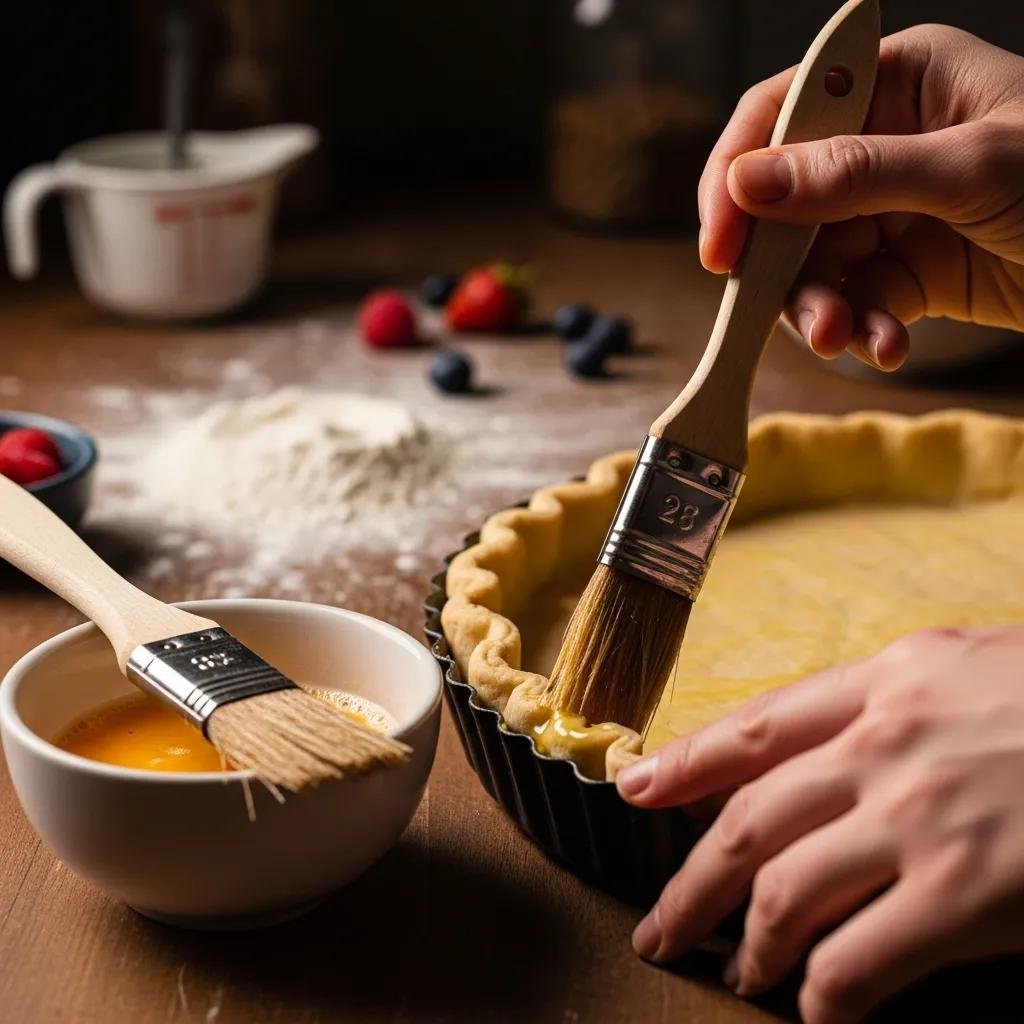
Creating a moisture barrier is crucial for maintaining the crispness of your tart crust. Here are some effective techniques.
How Does Egg Wash Create a Protective Seal?
Applying an egg wash to the crust before baking can create a protective seal. The egg proteins coagulate during baking, forming a barrier that helps prevent moisture from penetrating the crust. This simple step can significantly enhance the texture of your tart, ensuring it remains crisp even with moist fillings.
What Is Crust Dust and How Does It Absorb Moisture?
Crust dust, often made from ground nuts or breadcrumbs, can be sprinkled on the bottom of the tart crust before adding the filling. This technique helps absorb excess moisture, acting as a barrier between the filling and the crust. Using crust dust can be particularly effective for fruit tarts, where juices can seep into the crust.
| Technique | Description | Effectiveness |
|---|---|---|
| Egg Wash | A layer of beaten egg applied to the crust | High |
| Crust Dust | Ground nuts or breadcrumbs to absorb moisture | Medium |
| Pre-baking | Blind baking the crust before adding filling | High |
These techniques can be combined for optimal results, ensuring your tart crust remains crisp and delicious.
Which Tart Pans and Baking Equipment Best Support Crisp Crusts?
The choice of baking equipment can greatly influence the outcome of your tart crust.
How Do Metal Tart Pans Compare to Ceramic for Even Baking?
Metal tart pans are often preferred for their superior heat conduction, which allows for even baking. They help achieve a golden, crisp crust more effectively than ceramic pans, which can retain heat and lead to slower, sometimes uneven baking. If you want a perfectly baked tart, consider using a metal pan for best results.
What Are the Best Oven Temperatures and Rack Positions for Tart Baking?
For optimal tart baking, preheat your oven to 375°F (190°C) and place the tart on the middle rack. This position allows for even heat distribution, ensuring that the crust cooks thoroughly without burning. Adjusting the temperature and rack position can help achieve the desired crispness.
What Are Common Tart Crust Problems and How Can You Troubleshoot Them?
Even with the best techniques, issues can arise when baking tart crusts. Here are some common problems and solutions.
Why Is My Tart Crust Still Soggy Despite Precautions?
If your tart crust remains soggy despite taking precautions, it may be due to insufficient blind baking or using overly wet fillings. Ensure that you follow the blind baking steps carefully and consider using drier fillings to prevent moisture absorption.
How Can You Revive a Slightly Soggy Tart Crust?
If you find yourself with a slightly soggy tart crust, you can try to revive it by placing it back in the oven at a low temperature (around 300°F or 150°C) for a few minutes. This can help evaporate some of the moisture and restore some crispness.
How Does De Ma Vie Bakery’s French Baking Expertise Enhance Tart Crust Quality?
At De Ma Vie Bakery, our commitment to quality and traditional French baking techniques ensures that our tart crusts are consistently crisp and flaky.
What Are De Ma Vie Bakery’s Secrets to a Consistently Crisp Tart Crust?
Our bakers utilize high-quality ingredients and precise techniques, such as proper blind baking and moisture barrier methods, to create the perfect tart crust. We also emphasize the importance of using the right baking equipment to achieve optimal results.
How Can You Experience Perfectly Baked French Tarts at De Ma Vie Bakery?
We invite you to visit De Ma Vie Bakery, located at 7787 Leesburg Pike, Falls Church, VA 22043, to experience our expertly crafted French tarts. Each tart is made with care, ensuring a delightful balance of flavors and textures that will leave you craving more.