
Perfectly Store Your Baguettes
French bread—especially baguettes and artisan loaves—is prized for a crisp crust and tender crumb but ages quickly. This guide gives practical short- and long-term storage methods, common mistakes to avoid, and concise De Ma Vie Bakery tips to preserve flavor and reduce waste.
What Are the Best Methods to Store French Bread for Short-Term Freshness?
Short-term storage keeps a crunchy crust and tender crumb: use breathable materials and a stable environment.
- Use Paper or Linen Bags: Let the loaf breathe to prevent a soft crust.
- Room Temperature Storage: Keep at about 65–75°F (18–24°C), away from sunlight and heat.
- Avoid Refrigeration: Cold speeds staling; freeze if you need longer keeping.
How Do Paper and Linen Bags Help Maintain Bread's Crispy Crust?
Paper and linen allow airflow so the crust stays crisp while limiting rapid crumb drying.
What Role Does Room Temperature Play in Bread Storage?
Room temperature balances moisture and slows spoilage without causing the starch changes refrigeration does.
How Can You Freeze French Bread to Extend Its Shelf Life?
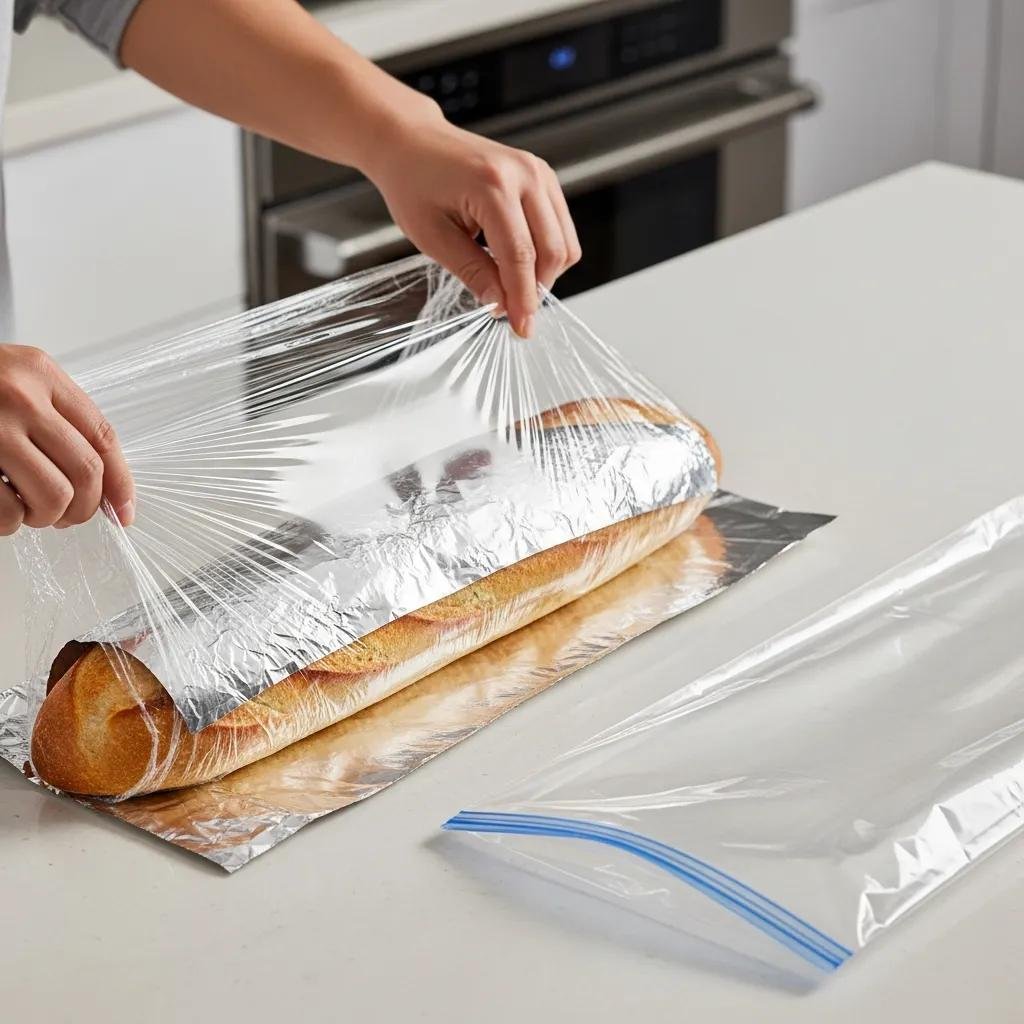
Freezing preserves quality for longer storage. Wrap tightly, label the date, and reheat briefly to revive the crust.
- Properly Wrap the Bread: Wrap snugly in plastic wrap or foil; use a resealable freezer bag for extra protection.
- Label and Date: Keep for two–three months for best quality and rotate stock by date.
- Thawing and Reheating: Thaw at room temperature and warm briefly in a 350°F (175°C) oven to restore crispness.
What Are the Steps for Properly Wrapping and Freezing a Baguette?
- Wrap Tightly: Remove air and wrap snugly with plastic.
- Add a Layer: Cover with foil or place in a freezer bag.
- Seal and Label: Expel excess air, seal, and note the freezing date.
Wrapped well, a baguette keeps flavor and structure for two to three months; thaw slowly and reheat to refresh the crust.
How Should You Thaw and Reheat Frozen French Bread for Optimal Texture?
- Thawing: Let sit at room temperature for 1–2 hours to restore moisture.
- Reheating: Heat on the oven rack at 350°F (175°C) for 5–10 minutes to crisp the crust and warm the crumb.
A slow thaw followed by a brief oven refresh yields the best texture.
What Common Mistakes Should Be Avoided When Storing French Bread?
Small mistakes speed staling or encourage mold. Prioritize airflow and protect the crust.
- Refrigeration: Avoid it unless you plan to freeze or use the bread immediately.
- Using Plastic Bags: Plastic traps moisture and can promote mold; use plastic only for freezing.
- Ignoring the Crust: Keep loaves whole until serving to protect the interior.
Why Is Refrigeration Harmful to French Bread Freshness?
Cold storage accelerates starch recrystallization, drying the crumb and dulling the crust. For artisan breads, room temperature or freezing is usually better.
Bakers observe refrigeration shortens eating quality, so choose alternative storage when possible.
Avoid Refrigeration: Why It Accelerates Bread Staling
There is no doubt that a large number of consumers use refrigerators for bread storage, in France as well as in North America. This practice should be discouraged, since it actually accelerates bread staling, as noted in the preceding text.
Bread Staling, 2001
How Do Plastic Bags Affect Bread Texture and Mold Growth?
Plastic traps moisture, softens the crust, and can encourage mold. Breathable options limit these risks.
Effective packaging balances moisture control, airflow, and hygiene to preserve quality.
Innovative Packaging for Extended Bread Shelf Life
Bread staling and microbial growth is a complex physiochemical change that occurs during bread storage mainly reducing the quality and consumer acceptance. It is significant to understand the causes of physical, chemical, and microbial spoilage of bakery products in the food industry, to prevent quality decay and economic loss for manufacturers and consumers. Traditional packaging has limitations in protecting and preserving the final products’ safety, hygiene, and quality. Effective novel strategies must be included in food packaging, especially to minimize the organoleptic losses of baked foods during their shelf life.
Bread packaging techniques and trends, P Selvam, 2022
How Can You Revive Stale French Bread and Reduce Food Waste?
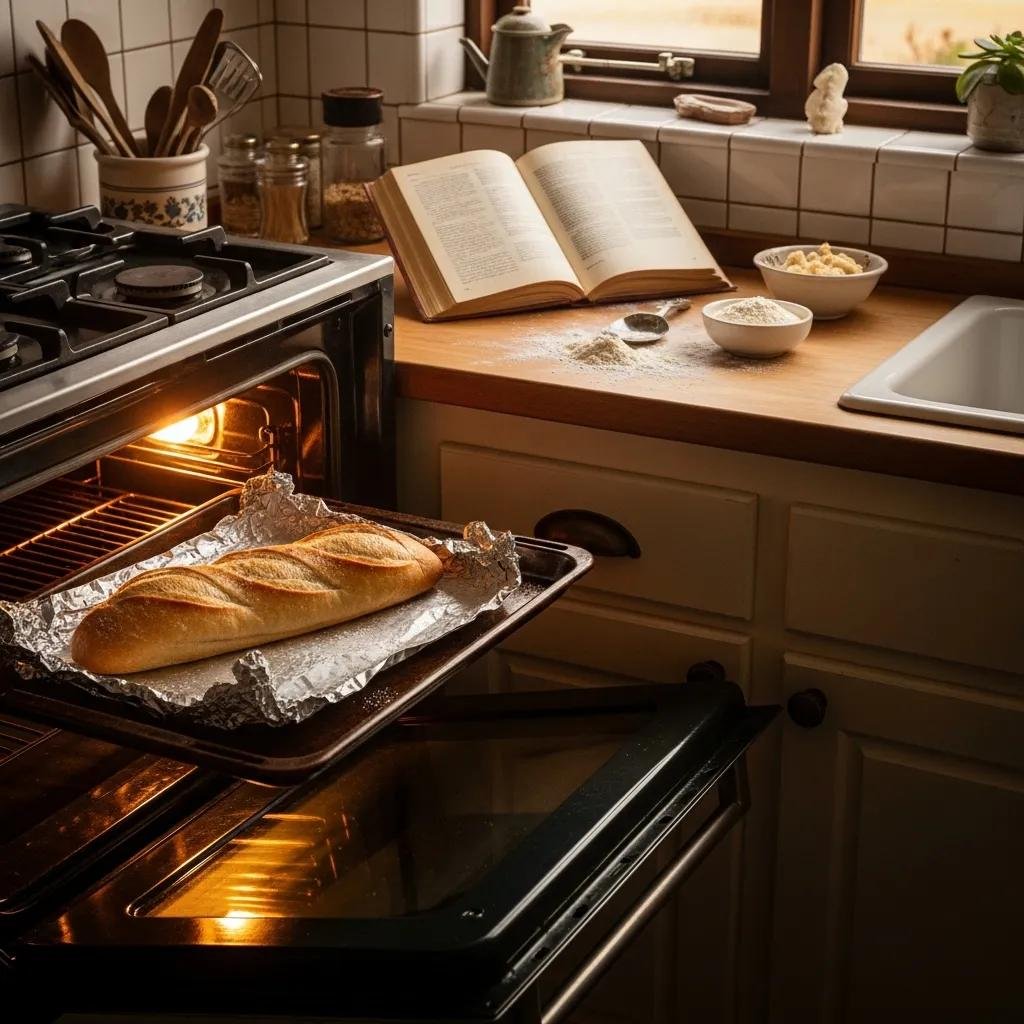
A little heat and moisture can restore eating quality. Revive in the oven or repurpose stale loaves into recipes.
- Oven Reheating: Sprinkle water, wrap in foil, and heat at 350°F (175°C) for 10–15 minutes.
- Creative Recipes: Make bread pudding, croutons, or pain perdu.
- Freezing for Later Use: Freeze stale pieces for future recipes rather than discarding them.
What Are Effective Oven Reheating Techniques for Day-Old Bread?
- Preheat the Oven: 350°F (175°C).
- Moisten the Bread: Lightly sprinkle water.
- Wrap and Heat: Wrap in foil and warm 10–15 minutes.
Moisten, wrap, and heat to reintroduce moisture and crisp the crust.
How Can Stale Bread Be Used Creatively in Recipes Like Pain Perdu?
Stale bread soaks well for pain perdu: soak in an egg‑milk mixture, pan‑fry until golden, and serve with syrup or fruit.
- Ingredients: 4 slices stale bread, 2 eggs, 1 cup milk, 1 tsp vanilla, sugar to taste.
- Preparation: Whisk eggs, milk, vanilla, and sugar; soak slices briefly.
- Cooking: Pan-fry soaked slices until golden; serve warm.
These uses rescue bread and create satisfying dishes.
What Are Expert Tips from De Ma Vie Bakery for Storing Their Artisan Breads?
De Ma Vie recommends storage that respects the loaf’s structure: balance airflow and humidity, keep loaves whole until serving, and use breathable short-term options.
- Store in a Bread Box: Controlled humidity and airflow for daily use.
- Avoid Cutting Until Ready to Serve: Keeps the interior protected.
- Use a Cloth Bag for Short-Term Storage: Breathable and reusable for same-day use.
How Should You Store De Ma Vie Bakery’s Baguettes and Pain de Campagne?
- Keep Whole: Slice when serving.
- Use a Bread Bag: Linen or cotton bags are ideal.
- Room Temperature: Store away from sunlight and heat.
These simple steps preserve the bread as the baker intended.
What Storage Solutions Do De Ma Vie Bakers Recommend for Maintaining Freshness?
- Bread Boxes: Good for daily storage.
- Cloth Bags: Breathable and reusable.
- Freezing: For long-term keeping; wrap well and label.
Use bread boxes or cloth bags for daily use, and freeze well-wrapped loaves for longer storage.
Where Can You Find De Ma Vie Bakery’s Fresh French Breads in Falls Church, VA?
Visit De Ma Vie Bakery at 7787 Leesburg Pike, Falls Church, VA 22043 for a range of artisan breads and pastries baked on site.
What Is the Bakery’s Location and Hours for Purchasing Fresh Bread?
De Ma Vie Bakery is at 7787 Leesburg Pike, Falls Church, VA 22043 and is open daily with fresh breads and pastries.
How Does Visiting De Ma Vie Enhance Your French Bread Experience?
Buying directly from the bakery lets you taste bread fresh from the oven, meet bakers, and learn techniques that deepen appreciation of the craft.
Frequently Asked Questions
How long can you store frozen French bread without losing quality?
Frozen French bread keeps best quality for about two to three months; label with the freezing date and use within this period for best results.
What is the impact of humidity on bread storage?
Humidity matters: excess encourages mold; too little dries the bread. A bread box or cloth bag with some airflow maintains a better moisture balance.
Can you store different types of bread together, and what should you consider?
You can, but separating crusty and soft breads prevents flavor transfer and moisture conflicts. Match storage to each bread’s texture.
What are the signs that bread has been improperly stored?
Look for a hard, dry crust, stale crumb, visible mold, or off smells. If in doubt, discard; breathable bags and avoiding refrigeration help prevent problems.
How does the type of flour used affect the storage of French bread?
Whole-grain flours contain oils and can go rancid sooner than white flour; whole-grain breads often benefit from freezing to extend shelf life.
What are some common misconceptions about bread storage?
A key misconception is that refrigeration keeps bread fresh; it usually accelerates staling. Also, different breads require different storage approaches.
Conclusion
Proper storage helps your French bread keep its crisp crust and tender interior while reducing waste. Use breathable materials for short-term storage, freeze loaves for longer keeping, avoid refrigeration, and refresh frozen or day-old bread with simple reheating methods. For expert tips and the freshest loaves, visit De Ma Vie Bakery.


