




How to Keep French Bread Fresh: Expert Tips for Storing Baguettes and Artisan Loaves
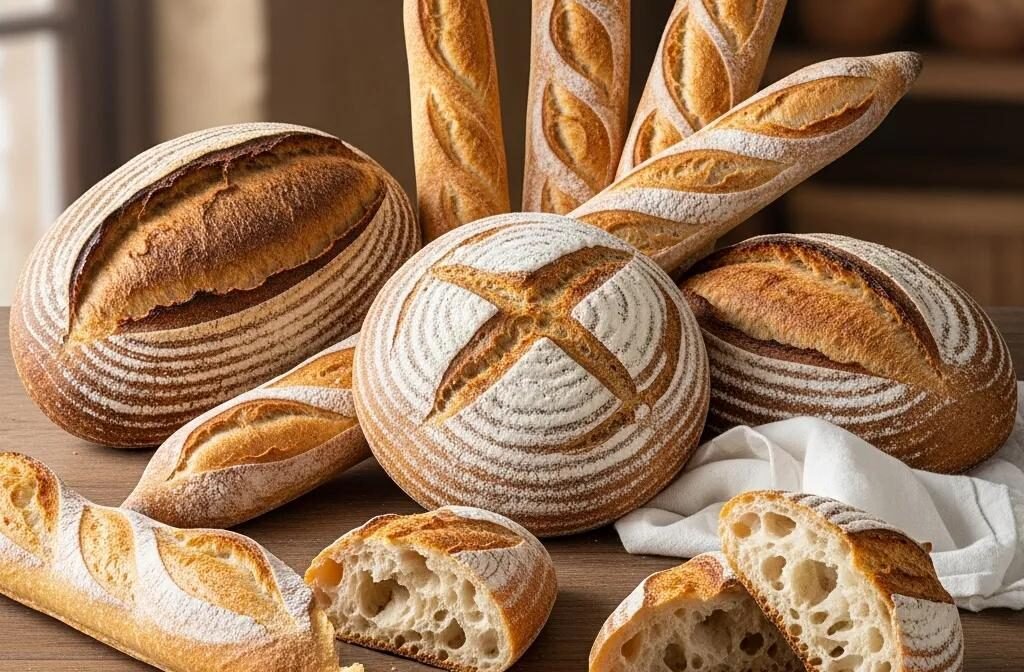
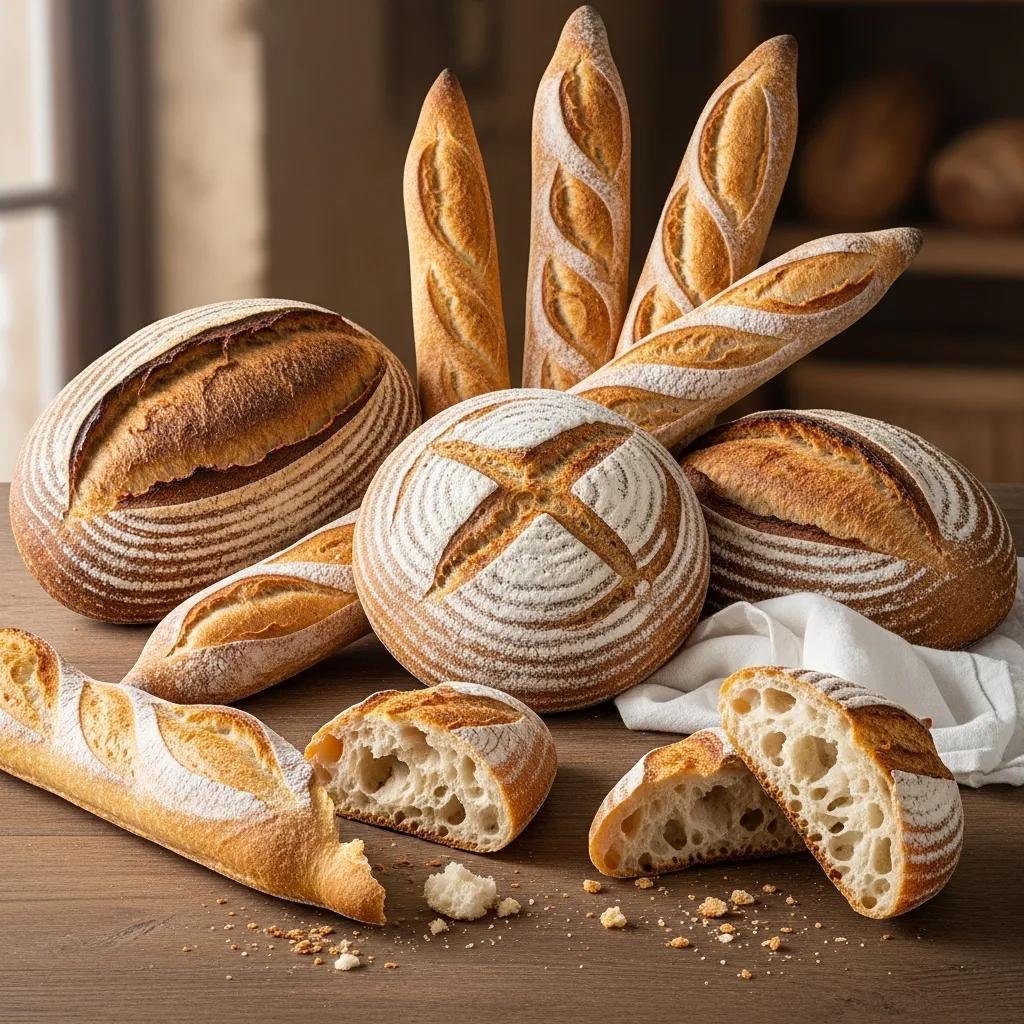
French bread, particularly baguettes and artisan loaves, is celebrated for its delightful crust and soft interior. However, keeping this bread fresh can be a challenge, as it tends to lose its quality quickly. In this article, you will learn effective tips for storing French bread to maintain its freshness and flavor. We will explore various storage methods, including short-term and long-term solutions, as well as common mistakes to avoid. Additionally, we will provide expert insights from De Ma Vie Bakery, a local French bakery known for its artisan breads. By following these guidelines, you can enjoy your French bread at its best, reducing food waste and enhancing your culinary experience.
What Are the Best Methods to Store French Bread for Short-Term Freshness?
To keep French bread fresh for a short period, it is essential to use the right storage methods. The primary focus should be on maintaining the bread’s crispy crust while preserving its soft interior. Here are some effective strategies:
- Use Paper or Linen Bags: Storing bread in paper or linen bags allows it to breathe, preventing moisture buildup that can lead to sogginess. These materials help maintain the crust’s texture while keeping the interior soft.
- Room Temperature Storage: Keeping bread at room temperature is ideal for short-term storage. The recommended temperature range is between 65°F to 75°F (18°C to 24°C). Avoid placing bread in direct sunlight or near heat sources, as this can accelerate staling.
- Avoid Refrigeration: Refrigerating French bread is a common mistake that can lead to a dry and stale texture. The cold environment causes the starches in the bread to recrystallize, resulting in a loss of freshness.
How Do Paper and Linen Bags Help Maintain Bread's Crispy Crust?
Paper and linen bags are excellent choices for storing French bread because they allow for air circulation. Unlike plastic bags, which trap moisture and create a humid environment, these breathable materials help maintain the crust’s crispiness. The crust forms a protective barrier that keeps the interior soft while preventing it from becoming too hard or chewy. This method is particularly effective for baguettes, which are known for their signature crust.
What Role Does Room Temperature Play in Bread Storage?
Room temperature plays a crucial role in preserving the quality of French bread. When stored at the ideal temperature range, the bread retains its moisture and flavor. Heat can cause the bread to dry out, while cold temperatures can lead to staling. Therefore, it is essential to find a balance and store bread in a cool, dry place away from direct sunlight. This practice ensures that the bread remains enjoyable for a longer period.
How Can You Freeze French Bread to Extend Its Shelf Life?
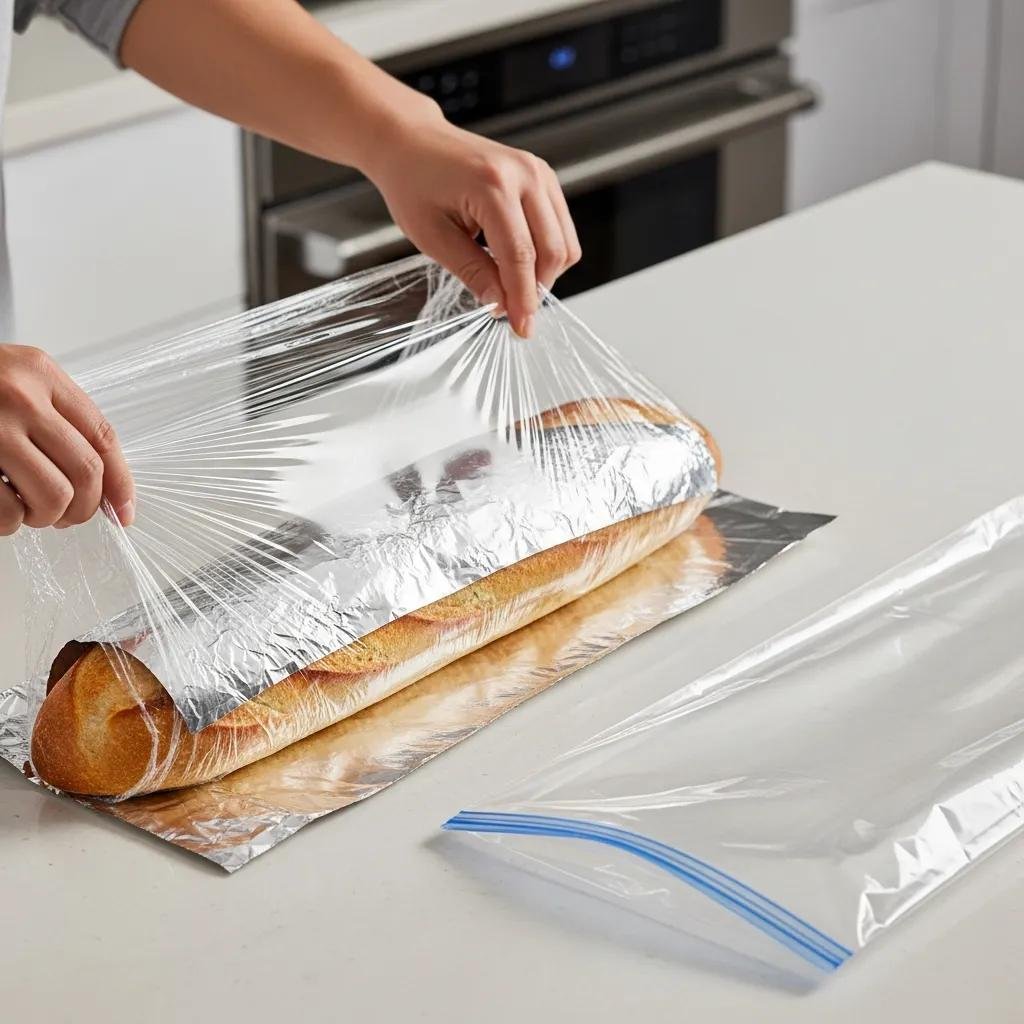
Freezing is an effective method for extending the shelf life of French bread, allowing you to enjoy it at a later date without sacrificing quality. Here are the steps to properly freeze and thaw your bread:
- Properly Wrap the Bread: Before freezing, wrap the bread tightly in plastic wrap or aluminum foil. This prevents freezer burn and helps maintain the bread’s texture. For added protection, place the wrapped bread in a resealable freezer bag.
- Label and Date: Always label the bag with the date of freezing. French bread can be stored in the freezer for up to two to three months without significant loss of quality.
- Thawing and Reheating: When ready to enjoy, remove the bread from the freezer and let it thaw at room temperature for a few hours. For optimal texture, reheat the bread in the oven at 350°F (175°C) for about 5-10 minutes to restore its crustiness.
What Are the Steps for Properly Wrapping and Freezing a Baguette?
- Wrap Tightly: Use plastic wrap to tightly cover the baguette, ensuring no air pockets remain.
- Add a Layer: For extra protection, wrap the baguette in aluminum foil or place it in a resealable freezer bag.
- Seal and Label: Seal the bag tightly, removing as much air as possible, and label it with the date.
By following these steps, you can effectively freeze your baguette while preserving its flavor and texture.
How Should You Thaw and Reheat Frozen French Bread for Optimal Texture?
- Thawing: Remove the bread from the freezer and let it sit at room temperature for 1-2 hours. This gradual thawing helps maintain moisture.
- Reheating: Preheat your oven to 350°F (175°C). Place the thawed bread directly on the oven rack for 5-10 minutes. This method restores the crust’s crispiness while keeping the interior soft.
By following these techniques, you can enjoy freshly baked-like bread even after freezing.
What Common Mistakes Should Be Avoided When Storing French Bread?
When it comes to storing French bread, several common mistakes can lead to a loss of freshness. Here are some pitfalls to avoid:
- Refrigeration: As mentioned earlier, refrigerating bread can cause it to stale more quickly. Instead, opt for room temperature storage or freezing.
- Using Plastic Bags: Plastic bags trap moisture, leading to a soggy texture and promoting mold growth. Always choose breathable materials for storage.
- Ignoring the Crust: The crust is essential for maintaining the bread’s quality. Avoid cutting the bread until you are ready to consume it, as this exposes the interior to air and accelerates staling.
Why Is Refrigeration Harmful to French Bread Freshness?
Refrigeration is detrimental to French bread freshness due to the staling process. When bread is stored in a cold environment, the starches begin to recrystallize, resulting in a dry and hard texture. This process occurs more rapidly in bread than in other baked goods, making refrigeration a poor choice for preserving freshness. Instead, opt for room temperature storage or freezing to maintain the bread’s quality.
Experts further emphasize the detrimental effects of refrigeration on bread quality, noting its role in accelerating the staling process.
Avoid Refrigeration: Why It Accelerates Bread Staling
There is no doubt that a large number of consumers use refrigerators for bread storage, in France as well as in North America. This practice should be discouraged, since it actually accelerates bread staling, as noted in the preceding text.
Bread Staling, 2001
How Do Plastic Bags Affect Bread Texture and Mold Growth?
Plastic bags can significantly impact the texture of French bread. They trap moisture, creating a humid environment that leads to a soggy crust and promotes mold growth. The lack of airflow in plastic bags accelerates the staling process, making the bread less enjoyable. For optimal storage, always choose breathable materials like paper or linen bags.
Understanding the broader challenges of bread preservation, including staling and microbial growth, highlights the importance of effective packaging strategies beyond traditional methods.
Innovative Packaging for Extended Bread Shelf Life
Bread staling and microbial growth is a complex physiochemical change that occurs during bread storage mainly reducing the quality and consumer acceptance. It is significant to understand the causes of physical, chemical, and microbial spoilage of bakery products in the food industry, to prevent quality decay and economic loss for manufacturers and consumers. Traditional packaging has limitations in protecting and preserving the final products’ safety, hygiene, and quality. Effective novel strategies must be included in food packaging, especially to minimize the organoleptic losses of baked foods during their shelf life.
Bread packaging techniques and trends, P Selvam, 2022
How Can You Revive Stale French Bread and Reduce Food Waste?
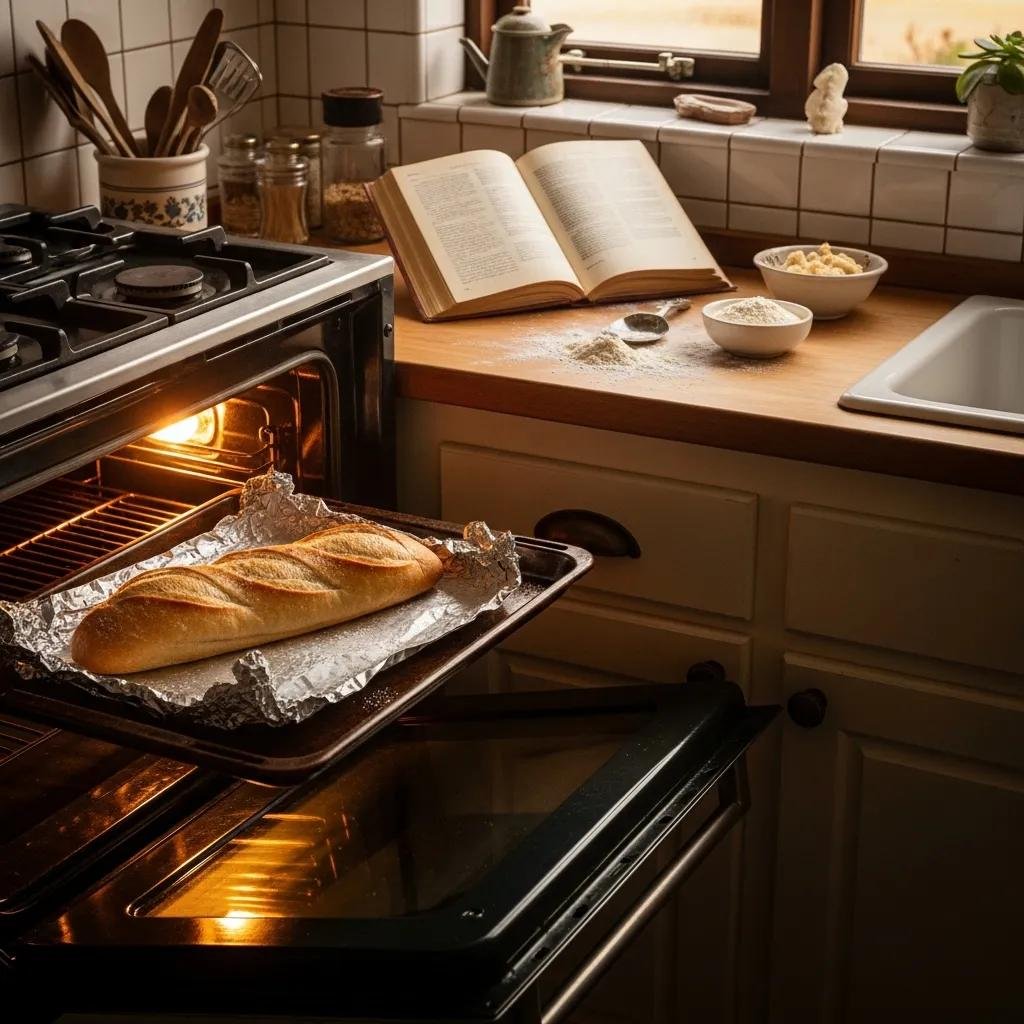
Reviving stale French bread is a great way to reduce food waste and enjoy your bread again. Here are some effective methods to bring stale bread back to life:
- Oven Reheating: Preheat your oven to 350°F (175°C). Lightly sprinkle the stale bread with water and wrap it in aluminum foil. Heat for about 10-15 minutes. This method restores moisture and improves texture.
- Creative Recipes: Stale bread can be transformed into delicious dishes like bread pudding, croutons, or pain perdu (French toast). These recipes make use of stale bread while minimizing waste.
- Freezing for Later Use: If you have leftover stale bread, consider freezing it for future recipes. This way, you can use it creatively without wasting food.
What Are Effective Oven Reheating Techniques for Day-Old Bread?
- Preheat the Oven: Set your oven to 350°F (175°C).
- Moisten the Bread: Lightly sprinkle the bread with water to add moisture.
- Wrap and Heat: Wrap the bread in aluminum foil and place it in the oven for 10-15 minutes. This method helps restore the bread’s original texture.
By using these techniques, you can enjoy your bread as if it were freshly baked.
How Can Stale Bread Be Used Creatively in Recipes Like Pain Perdu?
Stale bread can be repurposed in various delicious recipes, such as pain perdu. This classic French dish transforms stale bread into a delightful breakfast or dessert. Here’s a simple recipe:
- Ingredients: Use 4 slices of stale bread, 2 eggs, 1 cup of milk, 1 teaspoon of vanilla extract, and sugar to taste.
- Preparation: Whisk the eggs, milk, vanilla, and sugar together. Soak the stale bread slices in the mixture for a few minutes.
- Cooking: Heat a skillet over medium heat and cook the soaked bread slices until golden brown on both sides. Serve with syrup or fresh fruit.
This recipe not only revives stale bread but also creates a delicious meal.
What Are Expert Tips from De Ma Vie Bakery for Storing Their Artisan Breads?
De Ma Vie Bakery, known for its authentic French baked goods, offers valuable insights into storing artisan breads. Here are some expert tips:
- Store in a Bread Box: A bread box provides a controlled environment that balances humidity and airflow, keeping the bread fresh for longer.
- Avoid Cutting Until Ready to Serve: Keep the bread whole until you are ready to enjoy it. This practice helps maintain the crust and prevents the interior from drying out.
- Use a Cloth Bag for Short-Term Storage: For short-term storage, a cloth bag is an excellent option. It allows the bread to breathe while protecting it from external elements.
How Should You Store De Ma Vie Bakery’s Baguettes and Pain de Campagne?
- Keep Whole: Avoid slicing the bread until you are ready to eat it. This helps preserve the crust and moisture.
- Use a Bread Bag: Store the bread in a breathable bag to maintain its freshness. A linen or cotton bag is ideal for this purpose.
- Room Temperature: Keep the bread at room temperature, away from direct sunlight and heat sources, to ensure optimal freshness.
By following these tips, you can enjoy the bakery’s artisan breads at their best.
What Storage Solutions Do De Ma Vie Bakers Recommend for Maintaining Freshness?
- Bread Boxes: These provide an ideal environment for bread storage, balancing humidity and airflow.
- Cloth Bags: For short-term storage, cloth bags allow the bread to breathe while protecting it from drying out.
- Freezing: For long-term storage, freezing is an effective method. Properly wrapped bread can be stored for up to two to three months without losing quality.
These solutions ensure that you can enjoy the delicious flavors of De Ma Vie Bakery’s breads for as long as possible.
Where Can You Find De Ma Vie Bakery’s Fresh French Breads in Falls Church, VA?
If you’re looking to purchase fresh French bread, De Ma Vie Bakery is the perfect destination. Located at 7787 Leesburg Pike, Falls Church, VA 22043, the bakery offers a wide array of artisan breads and pastries.
What Is the Bakery’s Location and Hours for Purchasing Fresh Bread?
De Ma Vie Bakery is conveniently located at 7787 Leesburg Pike, Falls Church, VA 22043. The bakery is open daily, providing fresh bread and pastries for the local community.
How Does Visiting De Ma Vie Enhance Your French Bread Experience?
Visiting De Ma Vie Bakery offers a unique experience for bread lovers. The bakery’s warm atmosphere and authentic French offerings create a delightful environment for enjoying freshly baked goods. Customers can savor the rich flavors of artisan breads while learning about the baking process from skilled bakers. This experience not only enhances your appreciation for French bread but also fosters a sense of community among fellow bread enthusiasts.