
The History of the Canelé: A Bordeaux Delicacy Explored
The Canelé is a small pastry from Bordeaux known for a deeply caramelized crust and a creamy, custard-like interior. This article traces its origins, outlines the traditional ingredients and techniques that define it, and describes how it has travelled beyond France. You’ll also learn about the pastry’s cultural role in Bordeaux and where to sample authentic Canelés, including at De Ma Vie Bakery in Falls Church, Virginia.
What Are the Origins of the Canelé in Bordeaux?
The Canelé dates to 18th-century Bordeaux and several origin stories exist. Most attribute its creation to convent nuns who used leftover egg yolks from local winemaking to make batter. Winemakers likely influenced its small shape and the custom of serving the pastry alongside regional wines.
Historical research into convent kitchens and regional culinary practices in 18th-century Bordeaux supports this context.
18th Century Bordeaux: Convents, Custards, and Cakes
growth to cities such as Bordeaux, Nantes and La Rochelle. ese even more flavour variety to ices, custards and cakes. e Even convents like the Monastery of Saint Laurent respected
Eating in Eighteenth-Century Provence, 2023
Who Were the Nuns and Winemakers Behind the Canelé's Creation?
Nuns contributed practical baking skills, turning surplus egg yolks into a rich batter. Winemakers promoted the pastry by serving it at local gatherings. That partnership rooted the Canelé in Bordeaux’s culinary life.
What Key Historical Milestones Shaped the Canelé Tradition?
A major milestone was the 1985 founding of the Confrérie du Canelé de Bordeaux, which defined standards for ingredients and preparation. Those standards helped preserve traditional methods even as bakers introduced variations. The pastry’s essential elements remain tied to its Bordeaux origins.
What Are the Traditional Ingredients and Unique Textures of a Canelé?
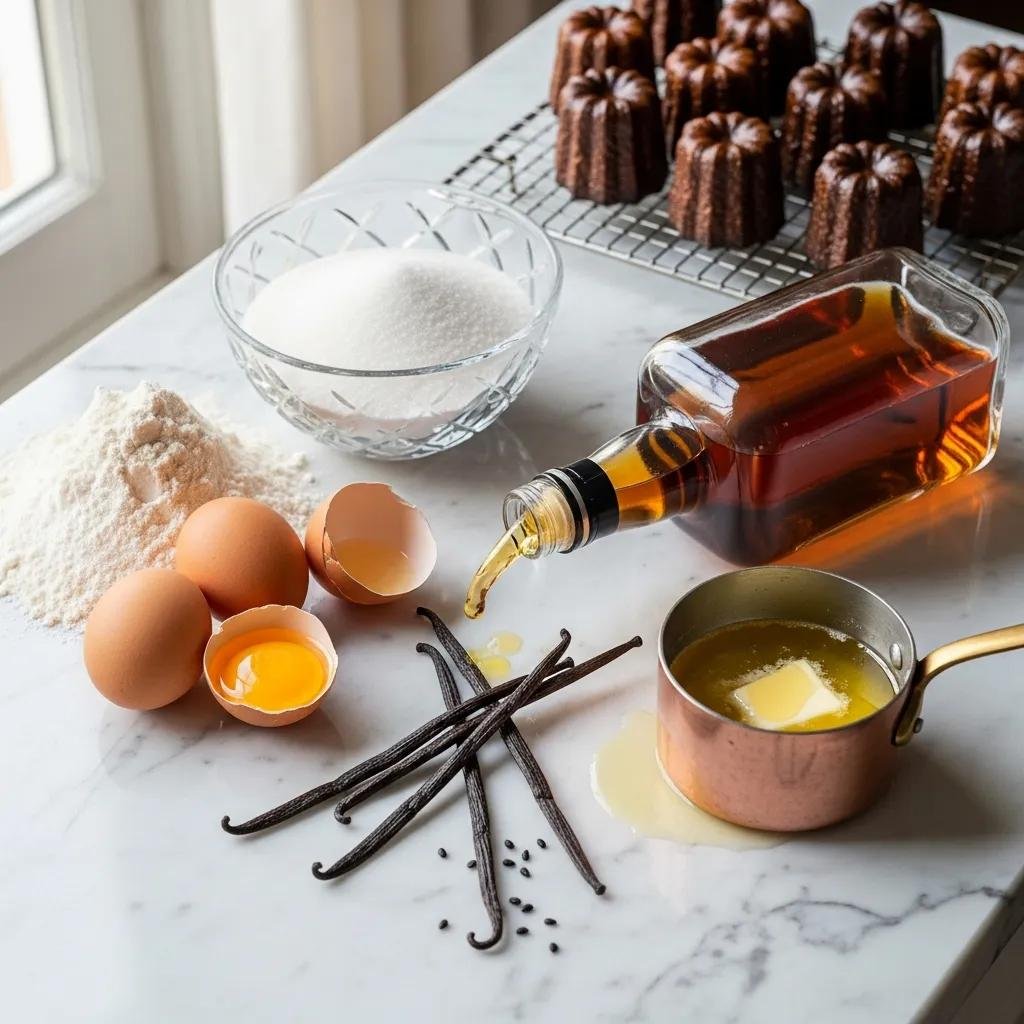
A Canelé uses a short list of quality ingredients: flour, sugar, milk, eggs, rum, and vanilla. These are combined into a rested batter that’s poured into fluted molds to produce the pastry’s distinctive shape and texture.
How Do Rum and Vanilla Define the Canelé's Flavor Profile?
Rum and vanilla define the Canelé’s aroma and depth. Rum brings warmth and subtle complexity; vanilla—often from Madagascar—adds fragrant sweetness. Together they balance the caramel notes and the creamy interior.
What Creates the Signature Caramelized Crust and Custardy Interior?
The contrast between crisp crust and soft interior comes from technique and equipment. Fluted copper molds conduct heat evenly to develop the caramelized exterior. A batter with a relatively high egg ratio yields the soft, custardy center. The result is a firm shell with a tender interior.
How Is the Canelé Traditionally Crafted and Preserved?
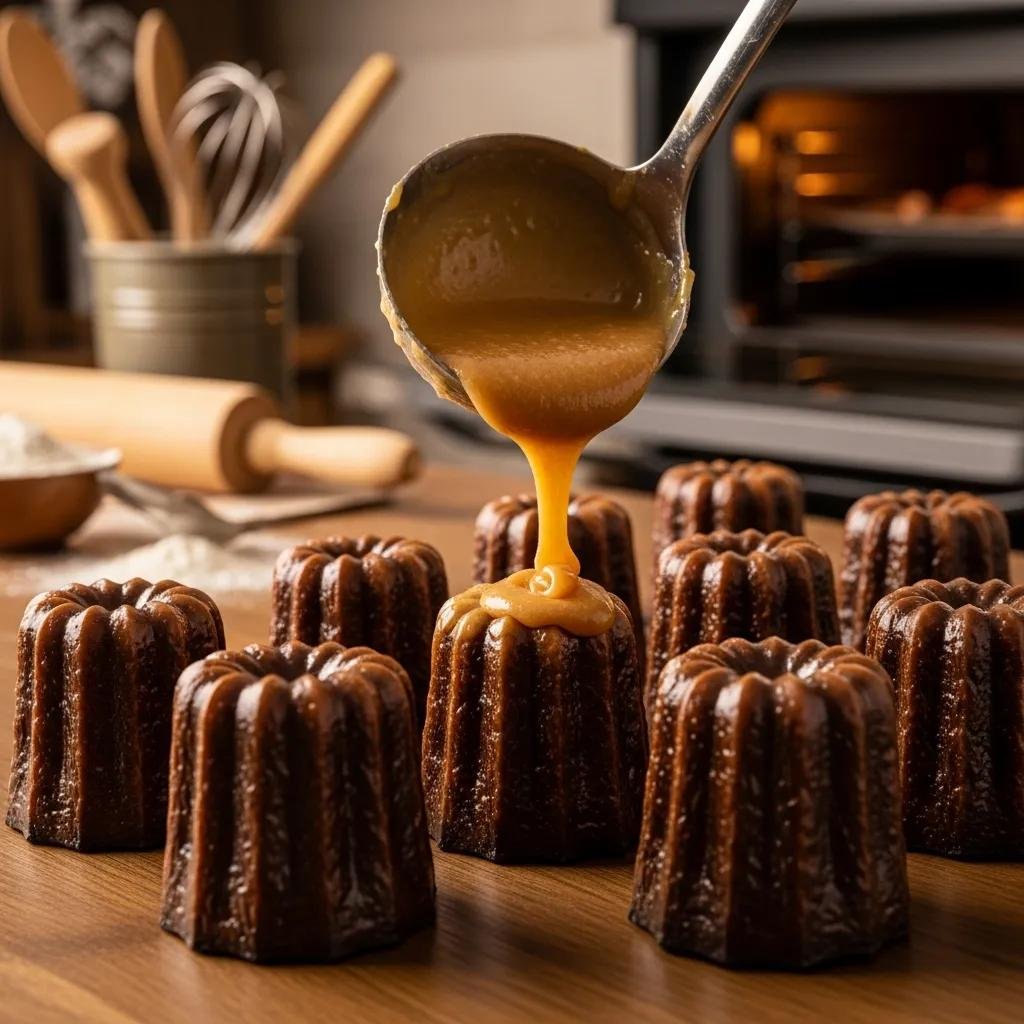
Making a well-executed Canelé requires precision. The batter is mixed and rested—traditionally at least 24 hours—to develop flavor and improve texture. Bakers coat molds with a beeswax-and-butter blend before filling to aid release and to help form the caramelized crust.
Why Are Fluted Copper Molds and Beeswax Essential in Baking?
Fluted copper molds are prized for even heat transfer and for producing the pastry’s defined ridges. Beeswax blended with butter eases unmolding and contributes a subtle layer of flavor. Together they help preserve the traditional bake and the Canelé’s signature finish.
What Role Does the Confrérie du Canelé de Bordeaux Play in Authenticity?
The Confrérie du Canelé de Bordeaux upholds authenticity by defining acceptable ingredients and methods. Its guidelines protect the pastry’s heritage and reinforce the Canelé’s reputation as a product of French culinary craft.
How Has the Canelé Gained Global Popularity and Modern Adaptations?
The Canelé has gained international attention in patisseries because of its distinctive texture and flavor. Bakers worldwide have introduced modern variations that use new flavors and ingredients to broaden its appeal beyond France.
What Symbolism Does the Canelé Hold in French and Bordeaux Culture?
The Canelé symbolizes Bordeaux’s culinary history and its ties to winemaking. Common at gatherings and celebrations, it reflects regional artisanal skill and the practical creativity of the nuns who helped develop the recipe.
What Are the Contemporary Variations and Trends Influencing Canelés?
Contemporary Canelés come in many forms: chocolate-infused versions, pastries filled with fruit compote, and adaptations that follow dietary trends. Bakers now offer gluten-free and vegan options so more people can experience the pastry’s texture and flavor.
Where Can You Experience Authentic French Canelés at De Ma Vie Bakery?
If you want an authentic Canelé, De Ma Vie Bakery in Falls Church, Virginia, offers a selection made with traditional techniques and careful ingredient choices. The bakery aims to reproduce the hallmark characteristics of the Bordeaux original.
How Does De Ma Vie Bakery Bring Bordeaux's Canelé Tradition to Falls Church?
De Ma Vie Bakery follows time-tested baking methods and selects high-quality ingredients. Each Canelé is shaped and baked with attention so customers taste the textures and flavors associated with the classic pastry. That care conveys the spirit of Bordeaux in every bite.
What Other French Pastries Complement the Canelé Experience?
Alongside Canelés, De Ma Vie Bakery offers other French pastries—flaky croissants and rich éclairs among them—each prepared with the same focus on technique and quality. Sampling a few items gives you a fuller French pastry experience.
Frequently Asked Questions
What is the ideal serving temperature for Canelés?
Serve Canelés at room temperature for the best balance of crispness and creaminess. Slightly warm enhances the custardy interior and scent. Avoid serving them cold, as refrigeration dulls the caramelized crust. Let them rest briefly at room temperature before eating.
How long does it take to bake Canelés?
Baking Canelés typically takes about 50 to 70 minutes, depending on oven and mold size. Aim for a deep golden-brown exterior while keeping the interior soft and custardy. Check them closely near the end to avoid overbaking, which dries the center.
Can Canelés be made in different sizes, and how does that affect baking time?
Yes. Canelés range from mini to standard size. Smaller Canelés usually bake in about 30 to 40 minutes; larger ones can take up to 80 minutes. Regardless of size, use the caramelization and interior texture as your guide to doneness.
What are some popular flavor variations of Canelés?
Traditional Canelés use rum and vanilla, but bakers experiment with chocolate, coffee, citrus zest, and spices like cinnamon or cardamom. These variations preserve the pastry’s signature texture while offering new flavor profiles.
How do I know if my Canelés are properly baked?
Proper Canelés have a dark, caramelized crust that feels firm, while the interior remains soft and custardy. A toothpick inserted into the center should come out clean but slightly moist. A pale crust means underdevelopment; a burnt crust indicates overbaking.
What tools are essential for making Canelés at home?
Essential tools include fluted copper molds to achieve the pastry’s shape and texture, plus a mixing bowl, whisk, and measuring cups for the batter. A reliable oven thermometer helps maintain consistent temperatures for even caramelization.
Conclusion
The Canelé embodies Bordeaux’s culinary heritage through its contrasting textures and concentrated flavor. Exploring its origins, ingredients, and traditional methods deepens appreciation for the pastry. Taste authentic Canelés at De Ma Vie Bakery, where craftsmanship and quality ingredients come together. Try a selection of French pastries to experience the range of techniques that honor this delicacy.


