
Savor Artisan Sourdough Health
Artisan sourdough is prized for flavor and texture and offers health benefits. Long, traditional fermentation can improve digestion, moderate blood-sugar responses, and increase nutrient availability. Below we summarize sourdough’s gut and glycemic effects and explain what makes De Ma Vie Bakery’s loaves distinctive.
How Does Artisan Sourdough Bread Improve Digestion and Gut Health?
Long fermentation partly breaks down gluten and phytic acid, improving mineral absorption and easing digestion. Lactic acid bacteria and fermentation enzymes help balance the gut environment for many people.
What Role Do Probiotics and Prebiotics Play in Sourdough's Gut Benefits?
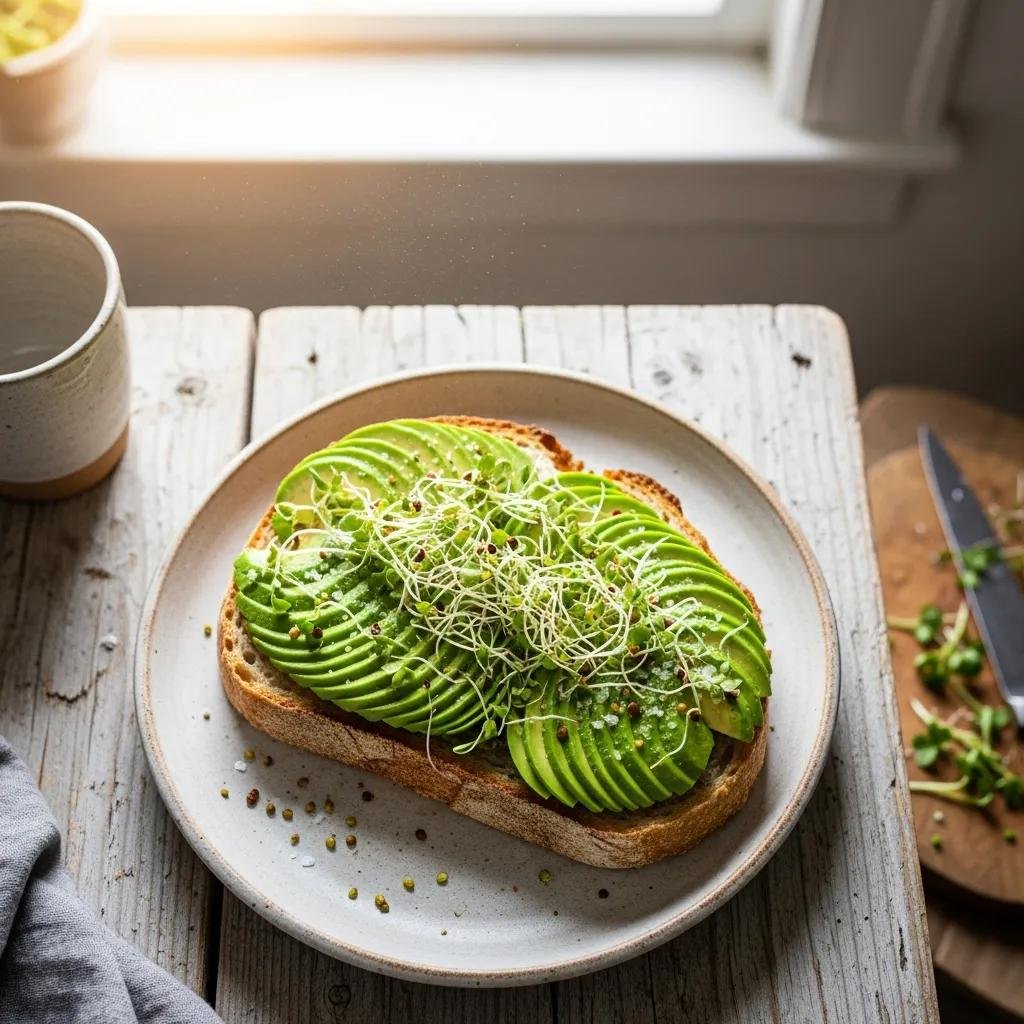
Sourdough fermentation encourages lactic acid bacteria and creates prebiotic fibers. Baking destroys most live probiotics, but prebiotic components and fermentation by-products remain to nourish beneficial gut bacteria.
How Does Sourdough Aid Gluten Sensitivity and IBS?
Fermentation partially hydrolyzes gluten, and some people with non-celiac gluten sensitivity or IBS tolerate sourdough better than conventional bread. It is unsafe for celiac disease; monitor symptoms individually.
Why Is Sourdough Bread Better for Blood Sugar Control?
Sourdough often has a lower glycemic index than standard bread, producing slower rises in blood glucose and gentler post-meal responses.
How Does the Low Glycemic Index of Sourdough Benefit Diabetics?
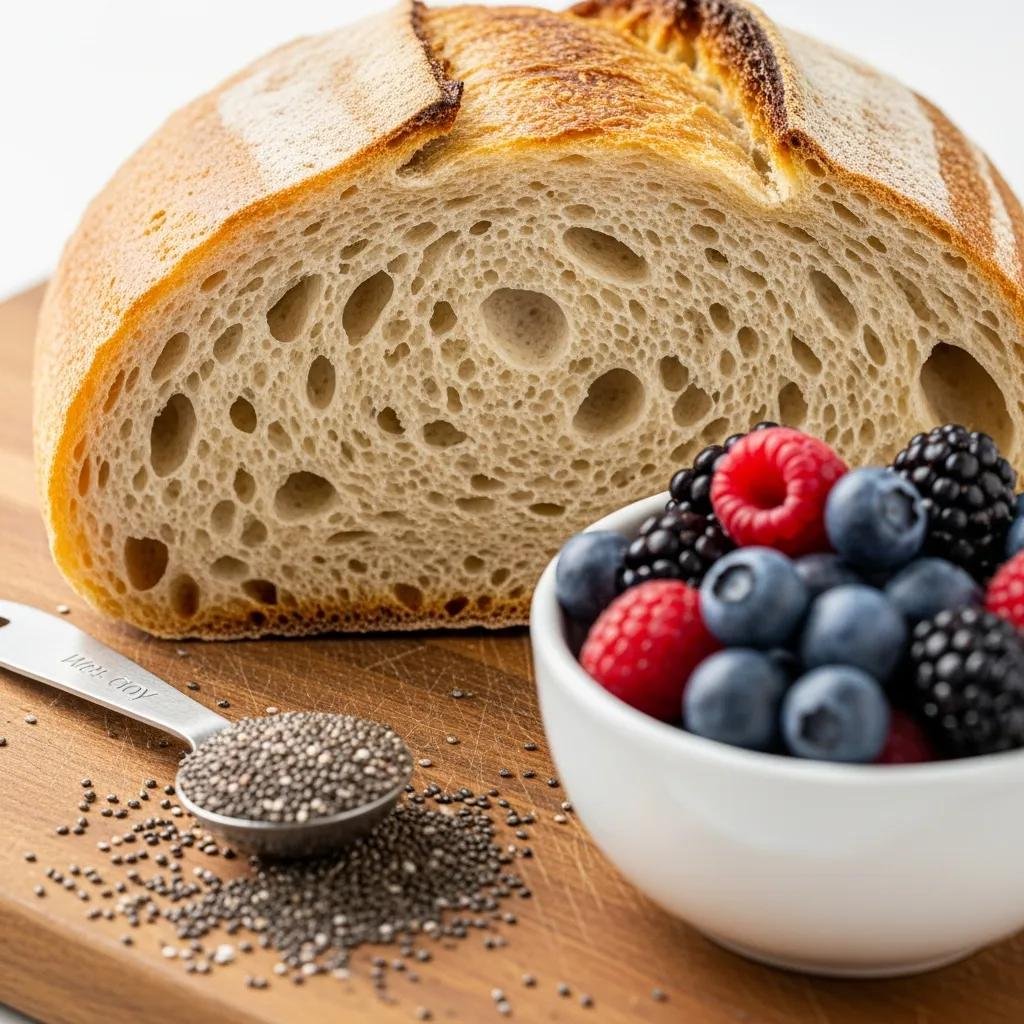
A lower glycemic index reduces rapid spikes and tends to produce smaller post-meal glucose excursions; some studies report improved glucose regulation with sourdough.
Sourdough Bread’s Anti-Diabetic Effects & Hyperglycemia Improvement
Sourdough bread I or II feeding rats’ showed significant improvement in hyperglycemia, oxidative stress markers, inflammatory markers, lipid profile, liver and kidney functions in association with improvement in cognitive function. Gene expression of BDNF and NRF2 in hippocampal tissue were increased significantly, while hepatic GLUT2 and PEPCK gene expression were down-regulated in diabetic given sourdough bread I or II. Sourdough bread II was superior in all the studied parameters. The anti-diabetic effect and protection from cognitive dysfunction of sourdough bread samples may be ascribed to the occurrence of dietary fibers, phenolic compounds, and polyunsaturated fatty acids.
Sourdough bread as nutritional intervention tool for improvement of cognitive dysfunction in diabetic rats, HB Mabrok, 2024
What Nutritional Advantages Does Fermentation Provide for Blood Sugar?
Fermentation increases mineral bioavailability and produces organic acids that modify starch, slowing carbohydrate digestion and lowering the post-meal glycemic response.
What Nutrients and Minerals Are Enhanced in Artisan Sourdough Bread?
Fermentation breaks down phytic acid, improving availability of minerals such as iron, magnesium, and zinc, and helping preserve B vitamins that support metabolism and overall health.
Which Vitamins and Minerals Become More Bioavailable Through Fermentation?
Fermentation can increase iron and magnesium availability and help retain B vitamins, improving mineral uptake—especially valuable for plant-based diets.
How Does Sourdough Reduce Phytic Acid to Improve Nutrient Absorption?
Microbial enzymes degrade phytic acid during fermentation, lowering mineral binding and improving uptake; studies show increased zinc bioavailability.
Research has demonstrated that sourdough fermentation reduces phytic acid and improves mineral bioavailability.
Sourdough Reduces Phytic Acid, Boosts Mineral Bioavailability
Use of sourdough resulted in a decrease in phytic acid level (also in a decrease in the phytic acid to zinc mole ratio) and corresponding increase in zinc bioavailability index when compared to the commercialsangakbread. The lowest phytic acid concentration and highest zinc bioavailability index were achieved whenS. cerevisiae, L. plantarum, andLeu. mesenteroideswere used at 30.0% dough replacement with sourdough. This study provides awareness about the negative impacts of higher phytic acid level in the breads, which is particularly the case forsangakbread, and also provides a solution for such issue.
Use of sourdough to reduce phytic acid and improve zinc bioavailability of a traditional flat bread (sangak) from
Iran, K Rezaei, 2012
How Does Artisan Sourdough Bread Support Holistic Health Benefits?
Beyond digestion and glycemic control, sourdough’s fiber and fermentation by-products can support cardiovascular health and the gut–brain connection affecting mood and cognition.
What Is the Connection Between Sourdough and Heart Health?
Whole-grain sourdough provides fiber and fermentation-derived compounds that may lower cholesterol and cardiovascular risk; antioxidants can further protect against oxidative stress.
How Does Sourdough Influence Mental Wellness via the Gut-Brain Axis?
The gut–brain axis links microbiota to mood and cognition. Sourdough’s prebiotic fibers and fermentation products support a healthier microbiome associated with improved mood and cognitive function.
What Makes De Ma Vie Bakery's Artisan Sourdough Unique in Falls Church, Virginia?
De Ma Vie Bakery follows traditional French methods and long, careful fermentation. That approach deepens flavor while enhancing enzymatic activity and the nutritional benefits of slow fermentation.
How Does Our Traditional Long Fermentation Process Enhance Health Benefits?
Extended fermentation at De Ma Vie increases flavor complexity and encourages enzyme activity and beneficial bacteria that reduce phytic acid and improve digestibility, optimizing both taste and nutrition.
Why Choose De Ma Vie's Sourdough for Authentic French Quality and Wellness?
De Ma Vie uses selected ingredients and time-honored techniques to produce loaves with authentic flavor, improved digestibility, and the nutritional advantages of traditional fermentation, making the bakery a trusted local choice.
What Common Questions Do Customers Have About Sourdough Bread Benefits?
Customers often ask how sourdough compares with regular bread for health. Clear, evidence-based answers help you choose breads that match your diet and wellness goals.
Is Sourdough Bread Healthier Than Regular Bread?
Sourdough can be healthier for some because it may have a lower glycemic index, improved nutrient absorption, and prebiotic content. Benefits vary with ingredients and portion size.
Does Sourdough Contain Probiotics and Help With Digestion?
Sourdough provides prebiotics and fosters beneficial bacteria during fermentation, but most live probiotics are destroyed by baking. The prebiotic components and fermentation effects are the primary digestive benefits.
Can Sourdough Bread Help Manage Blood Sugar Levels?
Because it slows carbohydrate absorption, sourdough can help manage blood sugar and is a sensible option for people monitoring glucose.
Frequently Asked Questions
What are the health benefits of consuming whole grain sourdough compared to white sourdough?
Whole-grain sourdough retains the bran and germ, providing more fiber, vitamins, and minerals than white sourdough. The higher fiber aids digestion, promotes satiety, and supports heart health. Fermentation further enhances nutrient bioavailability, making whole-grain sourdough the more nutritious choice.
How can sourdough bread impact gut microbiota?
Sourdough can influence gut microbiota through its prebiotic fibers and fermentation by-products. These components nourish beneficial bacteria and support a balanced microbiome, linked to improved digestion, immune function, and mental health. Regular consumption may help maintain a diverse gut ecosystem.
Is there a difference in the nutritional value of sourdough made with different types of flour?
Yes. Flour type strongly affects nutrition. Whole-grain flours (whole wheat, spelt) offer more fiber, vitamins, and minerals than refined flours. Fermentation behavior also varies by flour, influencing nutrient bioavailability—so whole-grain sourdough generally offers greater health benefits.
Can sourdough bread be part of a gluten-free diet?
Sourdough is not gluten-free when made from wheat. Fermentation may make gluten more tolerable for some with non-celiac sensitivity, but it is unsafe for celiac disease. For gluten-free options, choose breads labeled gluten-free and made from alternative flours like rice or almond flour.
How does the fermentation time affect the nutritional content of sourdough?
Longer fermentation enhances nutritional content by giving bacteria and enzymes more time to break down gluten and phytic acid, increasing mineral bioavailability and improving digestibility. Extended fermentation also develops a more complex flavor profile.
What role do enzymes play in the sourdough fermentation process?
Enzymes are crucial: they break down starches and proteins into simpler sugars and amino acids, improving texture, flavor, and nutrient absorption. Enzymes from wild yeast and bacteria help create sourdough’s distinctive characteristics and healthful profile.
Conclusion
Artisan sourdough delivers distinctive flavor along with meaningful health benefits, including improved digestion and better blood sugar control. Choosing traditionally fermented loaves, such as those from De Ma Vie Bakery, provides both taste and nutritional advantages that support overall wellness. By incorporating these wholesome breads into your diet, you can support your health goals while enjoying more satisfying meals. Discover our range of artisan sourdough today to elevate your culinary experience.


