
Indulge in French Croissant Bliss
The croissant stands as a French culinary symbol with roots in Austria. This article traces its evolution—from the kipferl and tales of Marie Antoinette to figures like August Zang—and explains how bakeries such as De Ma Vie preserve authentic techniques and sustain the tradition.
What is the Origin Story of the Croissant and Its Austrian Roots?
The croissant descends from the Austrian kipferl, a crescent pastry documented from the 13th century. Its shape and buttery character provided the base; when French lamination (puff‑paste) techniques were applied, the distinctive flaky layers emerged.
Austrian Kipferl to French Croissant Evolution
the Kipferl became the French croissant as we know it today through the merging of the Austrian Kipferl and the French puff paste lamination technique
Baking: Viennoiserie–Laminated Pastry Production, 2021
How Did the Kipferl Influence the Croissant's Crescent Shape?
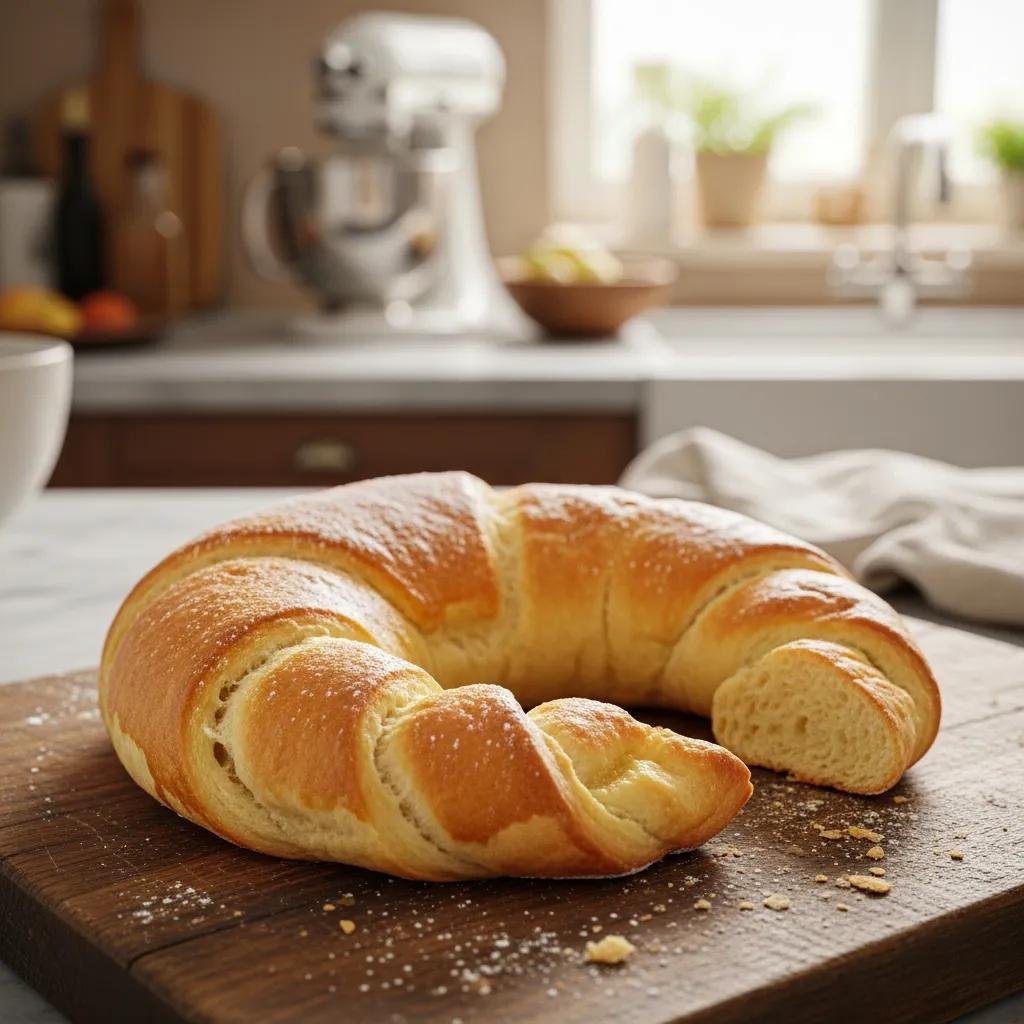
The kipferl’s crescent shaped the croissant’s silhouette and its associated lore. A popular legend links the form to the 1683 Siege of Vienna, and the kipferl’s buttery, layered texture informed the pastry’s early identity in Austrian baking.
What Role Did the 1683 Siege of Vienna Play in Croissant History?
The 1683 Siege of Vienna is central to croissant lore: bakers supposedly fashioned crescent pastries to celebrate the Ottoman defeat. Literal truth aside, the story reinforced the kipferl’s cultural significance and helped spread the form beyond Austria.
How Did Marie Antoinette Contribute to the Croissant's Introduction in France?
Marie Antoinette, Austrian by birth, is often credited with bringing the kipferl to France, though firm historical proof is scarce. Her association still appears in many accounts tracing Viennese pastry influences into French courts and kitchens.
Croissant’s Austrian Origins and Marie Antoinette
appear to disprove the croissant’s Austrian origins. However, Viennese, who called them kipferl. When Marie Antoinette the old bakery, before the transformation.
August Zang and the French Croissant: How Viennoiserie Came to France, 2009
What Is the Legend Behind Marie Antoinette and the Kipferl?
The legend holds that she served the kipferl at court as a taste of home. It illustrates how food can act as cultural exchange, even when documentary proof is limited.
How Did the French Court Embrace Austrian Pastries?
Court acceptance signaled elite approval, which helped these pastries gain prestige and enter broader French culinary practice.
Who Was August Zang and How Did He Popularize the Croissant in Paris?
In the 1830s August Zang opened the Boulangerie Viennoise in Paris, introducing Viennese viennoiserie—kipferl included. His bakery shaped local tastes and prompted French bakers to adopt and adapt those methods.
Zang’s enterprise left a lasting mark on Parisian baking and helped establish viennoiserie within French pastry culture.
August Zang’s Viennese Bakery in Paris
Compte tenu de leur importance historique, leur importance culturelle et leur impact sur l’économie, l’officier d’artillerie autrichien August Zang a fondé une boulangerie viennoise à Paris.
Le rôle des desserts français dans l’offre touristique, 2023
What Was the Impact of August Zang's Boulangerie Viennoise?
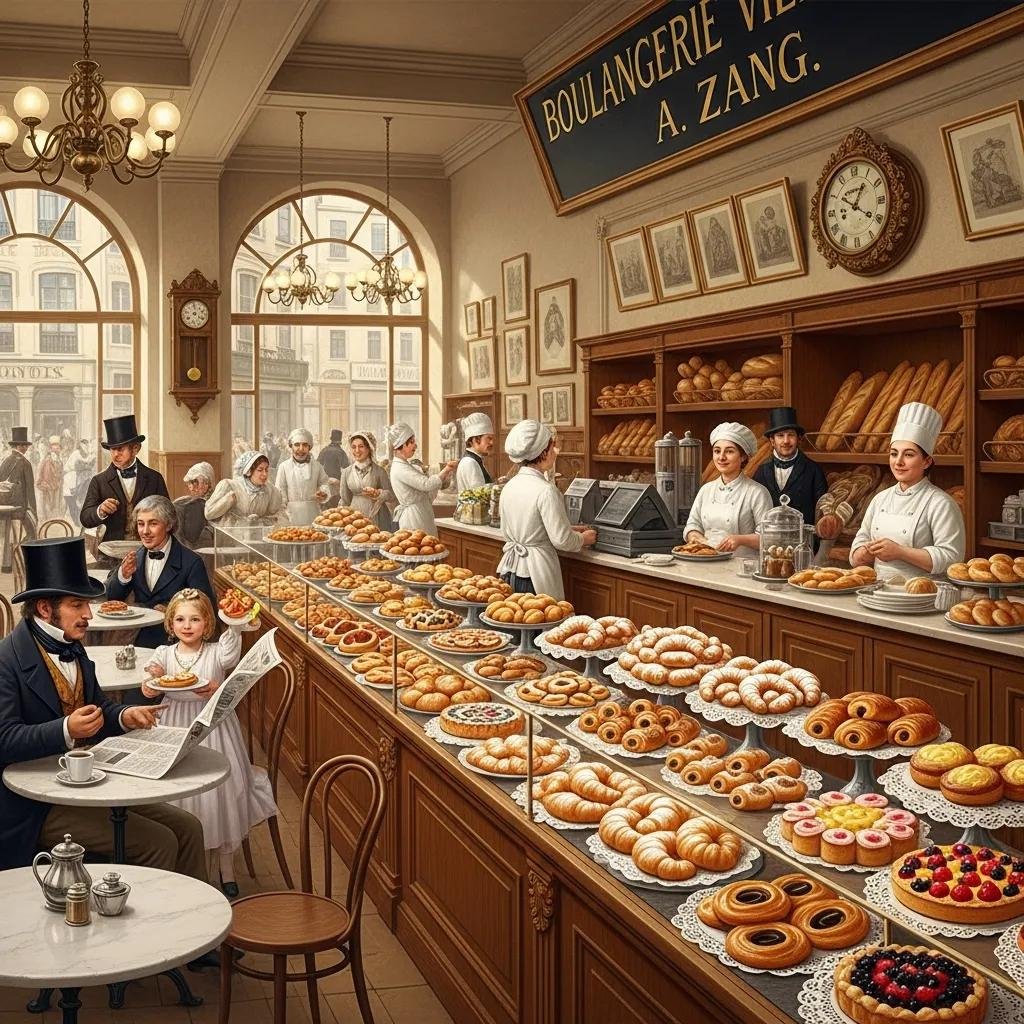
Zang’s bakery became known for authentic Viennese pastries and encouraged French bakers to refine lamination and proofing techniques, shaping the croissant’s modern form and reputation.
How Did Viennoiserie Pastries Evolve in 19th Century France?
In the 19th century French bakers adapted Viennese methods and perfected laminated dough, producing the flaky, buttery croissant we recognize today. Local innovation and technical refinement defined that evolution.
What Defines Viennoiserie and How Does the Croissant Fit Within This Category?
Viennoiserie refers to enriched, yeast‑leavened pastries—typically made with butter, milk, and eggs. The croissant epitomizes this class: laminated dough yielding delicate layers and a crisp, buttery crust.
Which Pastries Are Included in Viennoiserie?
- Croissants: Flaky and buttery, often enjoyed plain or filled.
- Pain au Chocolat: A chocolate-filled pastry that is a favorite among many.
- Brioche: A soft, sweet bread that is rich in butter and eggs.
How Did Laminated Dough Techniques Develop?
Lamination builds the croissant’s layers by repeatedly folding butter into dough to create thin sheets. The technique produces the pastry’s signature flakes and is a fundamental skill in bakery craft.
How Does De Ma Vie Bakery Uphold the Tradition of Authentic French Croissants?
De Ma Vie Bakery in Falls Church, VA preserves traditional French methods, producing croissants from laminated dough with close attention to butter quality, proofing and bake control.
What Are the Unique Croissant Varieties Offered at De Ma Vie?
- Classic Butter Croissant: A traditional favorite—flaky and rich.
- Almond Croissant: Filled with almond cream and finished with sliced almonds.
- Chocolate Croissant: Filled with rich chocolate for a sweeter option.
How Does De Ma Vie Connect Local Community to French Baking Heritage?
Through workshops, tastings, and community events, De Ma Vie teaches techniques, shares history, and connects customers to the craft behind each croissant.
| Pastry Type | Description | Cultural Significance |
|---|---|---|
| Croissant | Flaky, buttery pastry | Symbol of French culinary art |
| Pain au Chocolat | Chocolate-filled pastry | Popular breakfast item in France |
| Brioche | Sweet, soft bread | Represents French baking tradition |
Frequently Asked Questions
What are the best practices for storing croissants to maintain freshness?
Store croissants in a paper bag at room temperature for up to two days. Avoid plastic bags—they trap moisture and soften the crust. For longer storage, freeze them in an airtight container. Reheat in a 350°F (175°C) oven for 5–10 minutes to restore flakiness.
Can croissants be made with alternative flours for dietary restrictions?
Yes—croissants can be made with alternative flours such as almond, gluten‑free blends, or whole wheat. These substitutions change texture and flavor, so adjust the recipe, especially hydration, since different flours absorb moisture differently. With careful tweaks you can achieve satisfying results while accommodating dietary needs.
What are some popular fillings for croissants beyond the traditional options?
Beyond almond and chocolate, croissants can be filled with ham and cheese, fruit preserves, or savory options like spinach and feta. These fillings expand serving occasions—from breakfast to gourmet snacks—and suit varied tastes.
How can I tell if a croissant is freshly baked?
A fresh croissant has a golden‑brown exterior, crisp texture and a light, airy interior. It smells buttery and, when torn open, shows distinct layers. If it feels dense or smells stale, it’s not fresh. Check your bakery’s baking schedule to choose the best time.
What is the significance of croissants in French breakfast culture?
Croissants are central to French breakfast culture, typically enjoyed with coffee or hot chocolate. They represent culinary indulgence and are staples in cafés and bakeries. The morning ritual of eating a croissant reflects French appreciation for quality food and relaxed dining.
Are there any traditional events or festivals celebrating croissants in France?
There aren’t festivals dedicated solely to croissants, but many bakeries participate in events such as the Fête de la Gastronomie celebrating French culinary heritage. During those events, bakeries may offer special promotions or unique croissant varieties to showcase their craft.
Conclusion
Tracing the croissant’s history shows its journey from the Austrian kipferl to a French delicacy and underlines its cultural importance. Bakeries like De Ma Vie preserve traditional techniques and offer a direct taste of that heritage. When you enjoy these flaky pastries you support local artisans and experience the craft behind each bite. Discover our selection of authentic croissants and elevate your breakfast today.


