


Metric to Imperial: French Pastry Recipe Conversions for Accurate Baking
Baking is a precise art, especially when it comes to French pastries, where the difference in measurements can significantly affect the outcome. This guide will help you navigate the complexities of converting French pastry recipes from metric to imperial measurements, ensuring that your baking results are consistently delicious. Understanding these conversions is crucial for achieving the perfect texture and flavor in your pastries. In this article, we will explore how to convert baking measurements, provide essential conversion charts, and discuss best practices for accurate ingredient measurement. Additionally, we will address common troubleshooting tips for successful conversions.
How do you convert French baking measurements from metric to imperial?
Converting French baking measurements from metric to imperial involves understanding the different systems of measurement and applying the correct formulas. The metric system uses grams and liters, while the imperial system uses ounces and cups. Accurate conversions are essential for achieving the desired results in baking, as even slight discrepancies can lead to undesirable outcomes.
What are the common metric units used in French pastry recipes?
In French pastry recipes, common metric units include grams for weight and liters for volume. For instance, flour is often measured in grams, while liquids like milk or water are measured in liters. Understanding these units is vital for accurate conversions. Here are some examples of common metric units:
- Grams (g): Used for dry ingredients like flour and sugar.
- Liters (L): Used for liquid ingredients such as milk and water.
- Milliliters (mL): Often used for smaller quantities of liquids.
How to convert grams to cups for baking ingredients?
Converting grams to cups can be tricky due to the varying densities of ingredients. A general rule of thumb is that 1 cup of all-purpose flour weighs approximately 125 grams, while 1 cup of granulated sugar weighs about 200 grams. To convert grams to cups, you can use the following formula:
- Cups = Grams / Weight of 1 cup of the ingredient in grams
For example, to convert 240 grams of flour to cups:
- Cups = 240g / 125g = 1.92 cups (approximately 1 7/8 cups)
What is the essential metric to imperial baking chart for French pastries?
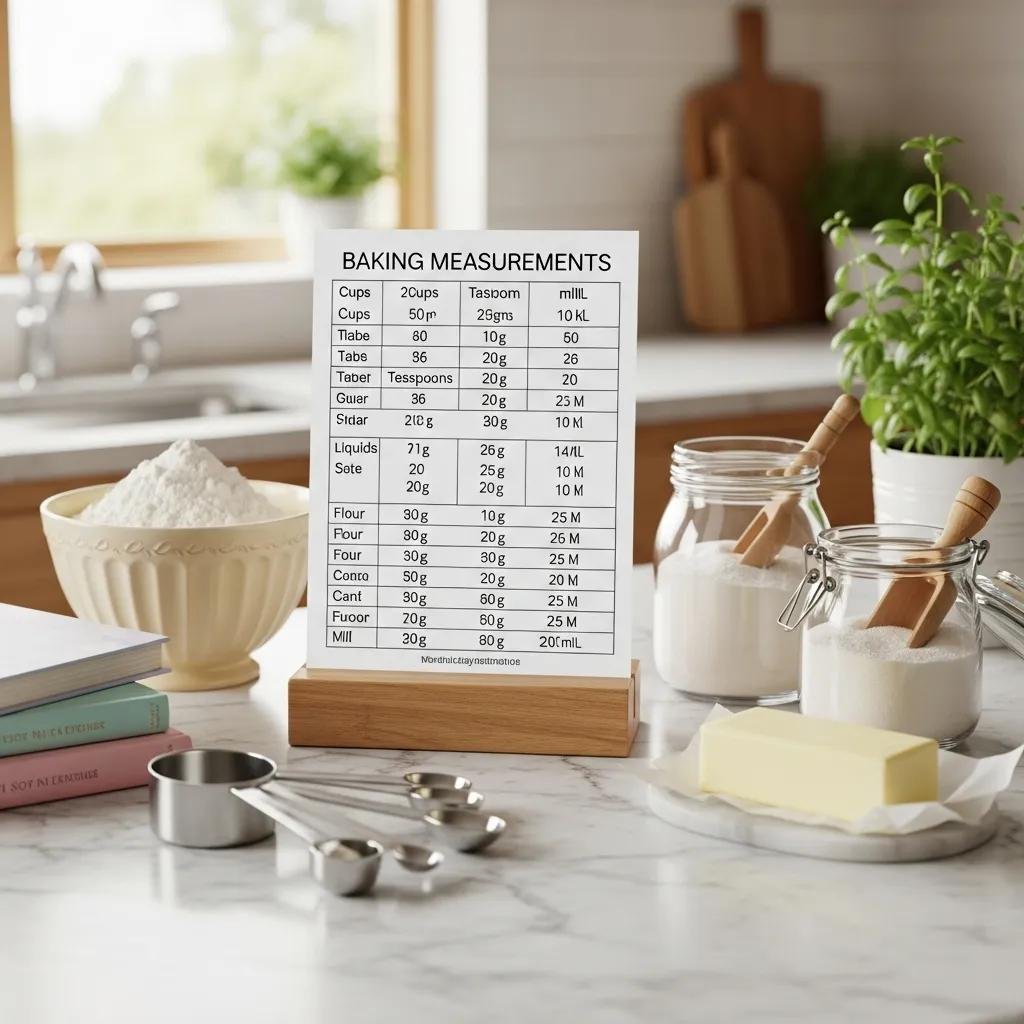
An essential metric to imperial baking chart provides a quick reference for converting common pastry ingredients. This chart is invaluable for bakers who want to ensure accuracy in their measurements. Below is a comparison of some common pastry ingredients in both metric and imperial measurements.
| Ingredient | Metric (grams) | Imperial (cups) |
|---|---|---|
| All-purpose flour | 125 | 1 |
| Granulated sugar | 200 | 1 |
| Butter | 227 | 1 cup |
| Milk | 240 | 1 cup |
| Water | 240 | 1 cup |
This chart simplifies the conversion process, allowing bakers to focus on creating delicious pastries without the hassle of complex calculations.
How to use a grams to cups conversion chart for common pastry ingredients?
Using a grams to cups conversion chart is straightforward. First, identify the ingredient you are measuring and its weight in grams. Then, refer to the chart to find the corresponding measurement in cups. For example, if a recipe calls for 300 grams of sugar, you would look at the chart and see that it equals approximately 1.5 cups. This method ensures that you maintain the integrity of the recipe while adapting it to your preferred measurement system.
Why is ingredient weight accuracy important in French pastry baking?
Ingredient weight accuracy is crucial in French pastry baking because it directly affects the texture and flavor of the final product. For instance, too much flour can lead to a dry pastry, while too little can result in a soggy texture. Accurate measurements ensure that the chemical reactions during baking occur as intended, leading to the desired rise and consistency. Common mistakes due to inaccuracies include:
- Overmixing: Can lead to tough pastries.
- Underbaking: Results in a raw center.
- Incorrect ratios: Affect the overall flavor and texture.
How do you convert oven temperatures from Celsius to Fahrenheit for French baking?
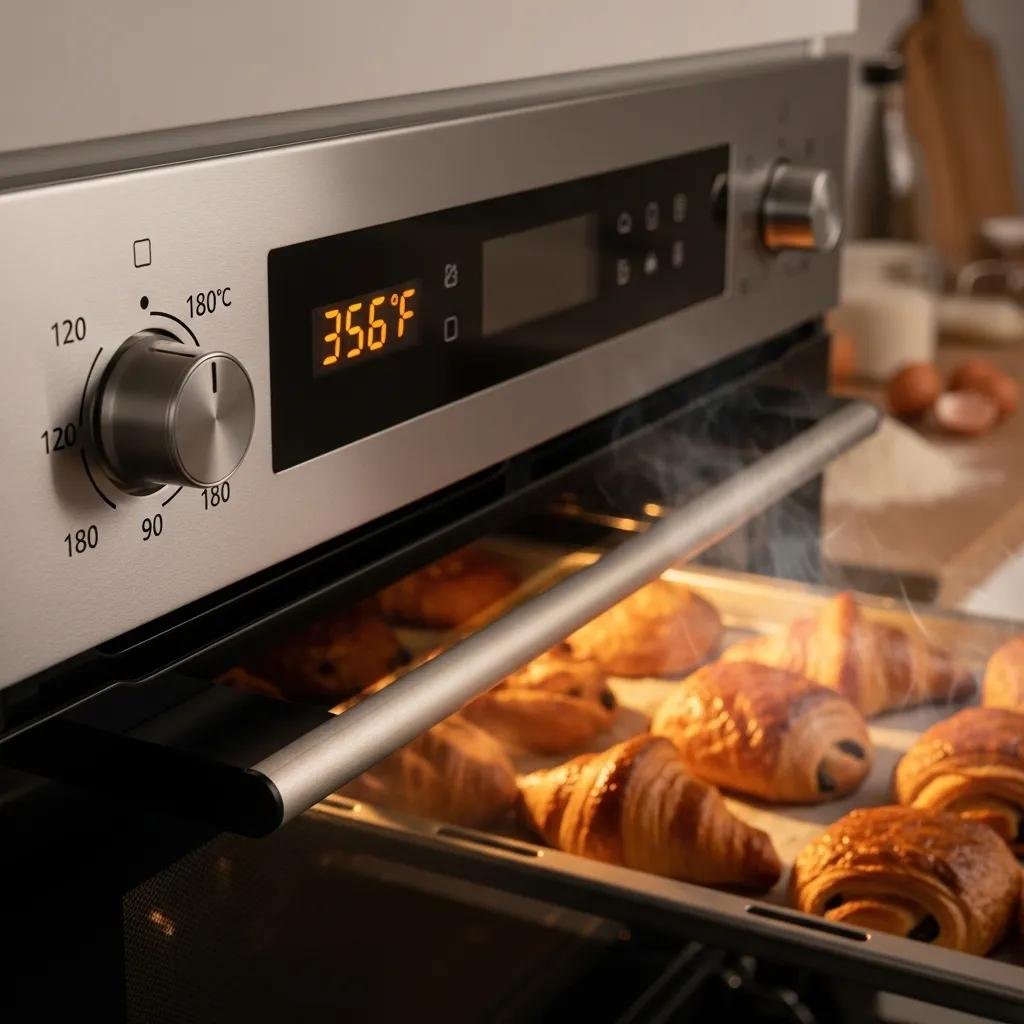
Converting oven temperatures from Celsius to Fahrenheit is essential for ensuring that your pastries bake at the correct temperature. The formula for conversion is:
For example, if a recipe calls for an oven temperature of 180°C, the conversion would be:
Understanding these conversions helps bakers achieve the perfect baking environment for their pastries.
What are the standard oven temperature equivalents for French pastry recipes?
| Celsius (°C) | Fahrenheit (°F) |
|---|---|
| 160 | 320 |
| 180 | 356 |
| 200 | 392 |
| 220 | 428 |
These equivalents are essential for ensuring that your pastries bake evenly and achieve the desired texture.
How does oven temperature affect French pastry results?
Oven temperature significantly impacts the results of French pastries. Baking at too high a temperature can cause the outside to brown too quickly while leaving the inside undercooked. Conversely, baking at too low a temperature can result in pastries that do not rise properly. For optimal results, it is crucial to preheat the oven and monitor the temperature throughout the baking process.
What are the best practices for measuring French pastry ingredient weights accurately?
Accurate measurement of ingredient weights is vital for successful French pastry baking. Here are some best practices to ensure precision:
- Use a digital kitchen scale: This provides the most accurate measurements.
- Calibrate your scale regularly: Ensures consistent accuracy.
- Measure ingredients in their packaging or a clean container: Avoids spillage and contamination.
How to weigh ingredients using kitchen scales for metric to imperial conversion?
To weigh ingredients using kitchen scales, follow these steps:
- Place a bowl on the scale: Tare the scale to zero.
- Add the ingredient: Slowly add until you reach the desired weight in grams.
- Convert to cups if necessary: Use the conversion chart for reference.
This method ensures that you are measuring accurately, which is crucial for achieving the desired results in your baking.
How to adjust recipes when converting measurements to maintain texture and taste?
When converting measurements, it is essential to adjust recipes to maintain the desired texture and taste. Here are some tips:
- Consider ingredient density: Different ingredients have varying densities, which can affect conversions.
- Test small batches: Experiment with smaller quantities to find the right balance.
- Keep notes: Document any adjustments made for future reference.
These adjustments help ensure that your pastries turn out as intended, regardless of the measurement system used.
How can you troubleshoot common issues in metric to imperial French pastry conversions?
Troubleshooting common issues in metric to imperial conversions can save bakers from potential disasters. Here are some typical mistakes and their solutions:
What are typical mistakes when converting grams to cups in baking?
- Using the wrong ingredient density: Different ingredients weigh differently.
- Not accounting for humidity: Can affect ingredient weight.
- Rounding errors: Can lead to significant discrepancies in measurements.
How to fix texture or consistency problems caused by incorrect measurement conversions?
To fix texture or consistency problems caused by incorrect measurements, consider the following:
- Adjust the ingredient ratios: If a pastry is too dry, add a bit more liquid.
- Re-bake if necessary: If undercooked, return to the oven for a few more minutes.
- Experiment with small adjustments: Make minor changes to find the right balance.
By understanding these common pitfalls and their solutions, bakers can improve their conversion accuracy and achieve better results in their French pastry creations.