


Mastering French Puff Pastry: Essential Tips & Techniques for Flaky Perfection
French puff pastry, known for its delicate layers and flaky texture, is a cornerstone of French baking that captivates both amateur and professional bakers alike. This article will guide you through the essential tips and techniques for mastering this exquisite pastry, ensuring you achieve perfect results every time. Many bakers struggle with the intricacies of puff pastry, often leading to disappointing outcomes. However, with the right knowledge and practice, you can create light, airy pastries that are sure to impress. We will explore the definition of French puff pastry, the key steps in its preparation, essential ingredients and tools, baking techniques, and even some signature creations from De Ma Vie Bakery.
What Is French Puff Pastry and How Does It Differ from Other Pastries?
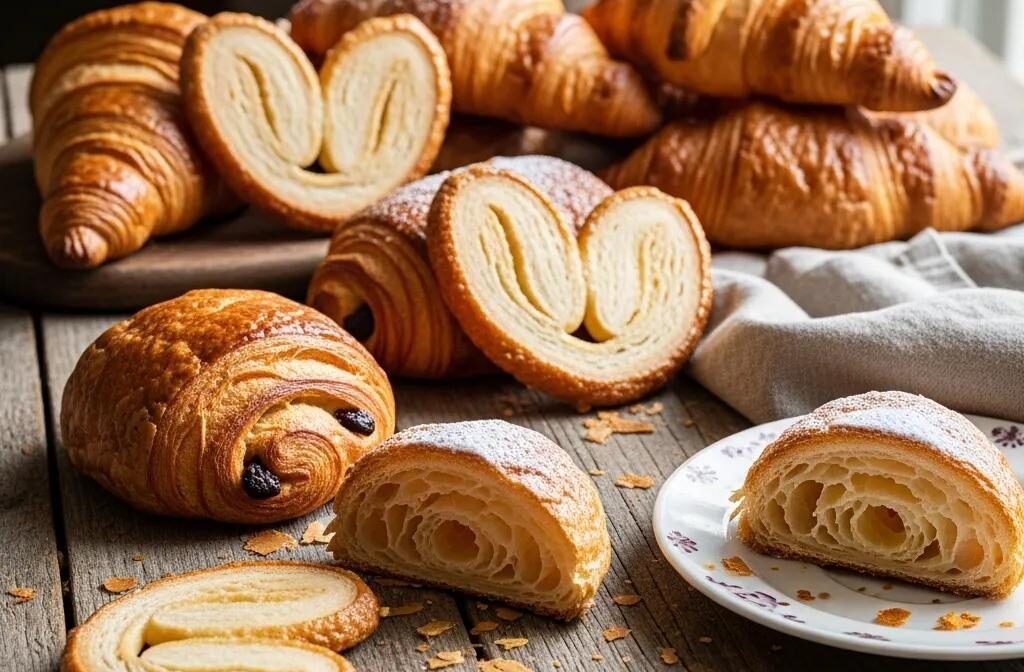
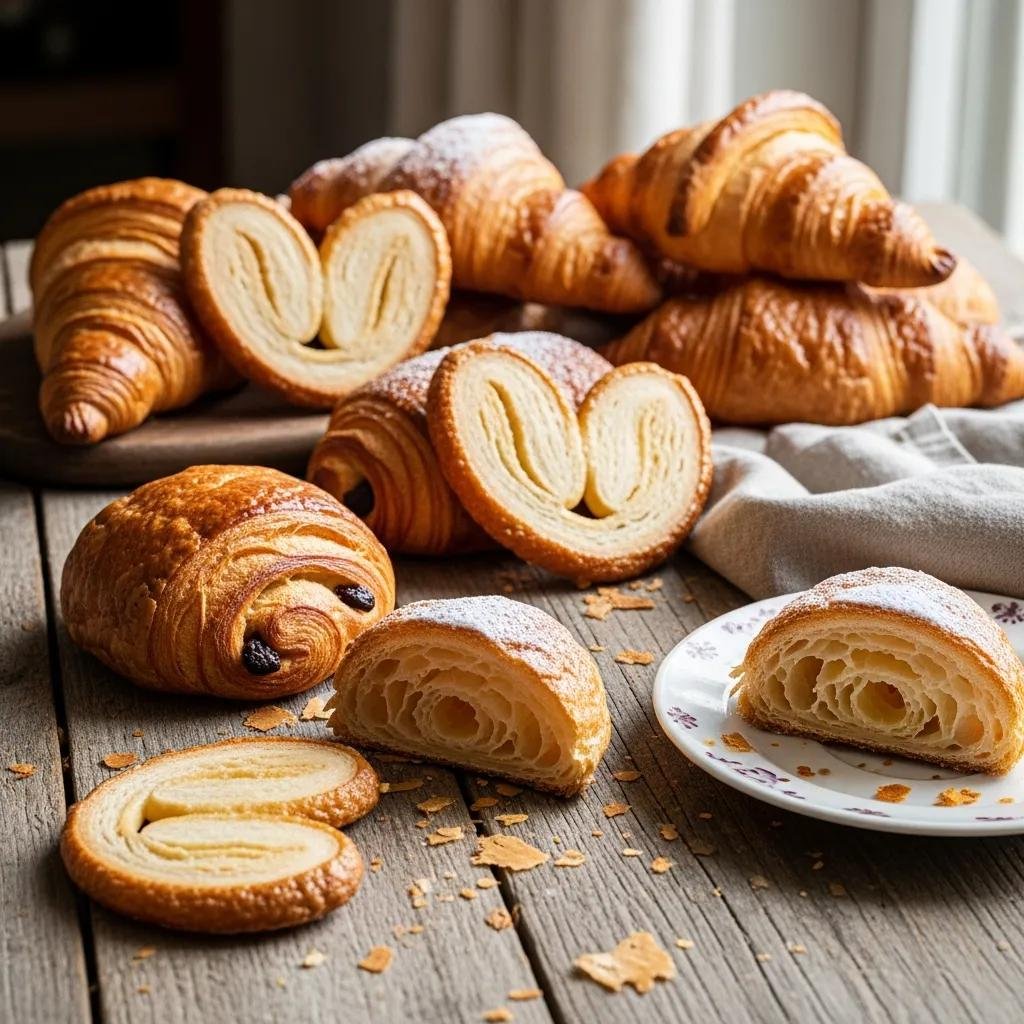
French puff pastry is a type of laminated dough that consists of layers of dough and butter, which create a light and flaky texture when baked. The unique method of folding and rolling the dough incorporates air and layers of butter, allowing it to rise significantly during baking. This process sets puff pastry apart from other pastries, such as croissants and Danish pastries, which have different compositions and techniques.
The intricate process of lamination is key to this unique texture, where the careful layering of fat and dough dictates the final rise and flakiness.
Dough Lamination: Achieving Flakiness and Volume
The process of dough lamination, or the creation of alternating layers of dough and fat, is a technique used in various pastries. The layer of fat, often butter or margarine, creates an impenetrable barrier to the steam, or water vapor, produced by surrounding dough layers. This facilitates lift within the pastry and while many types don’t contain yeast, lamination becomes crucial to the finalized shape and volume of the product. The more layers of fat, the more supposed lift a pastry can undergo, however, as folds increase, the thinning of each fat layer also increases the likelihood of fracture or pooling together unevenly. Thus, too much fracturing can result in a loss of gas retention and lift as well as decrease the flakiness. Consequently, a balance must be fo
Effects of Folding on Laminated Dough, 2023
Research further elucidates how the lamination process is fundamental to achieving the characteristic lift and volume of such pastries.
Dough Lamination: Creating Flaky Pastry Layers
The process of dough lamination, or the creation of alternating layers of dough and fat, is a technique used in various pastries. The layer of fat, often butter or margarine, creates an impenetrable barrier to the steam, or water vapor, produced by surrounding dough layers. This facilitates lift within the pastry and while many types don’t contain yeast, lamination becomes crucial to the finalized shape and volume of the product.
Effects of Folding on Laminated Dough, 2023
What Defines Puff Pastry and Laminated Dough?
Puff pastry is defined by its high butter content and the technique of lamination, which involves folding layers of dough around a block of butter. This creates multiple layers that expand during baking, resulting in a flaky texture. Laminated dough, in general, refers to any dough that is layered with fat, but puff pastry is distinguished by its specific ratios and methods.
How Does Puff Pastry Compare to Croissants and Danish Pastries?
While puff pastry, croissants, and Danish pastries all utilize laminated dough techniques, they differ in ingredients and preparation. Puff pastry is made with just flour, water, salt, and butter, while croissants include yeast, which gives them a distinct flavor and texture. Danish pastries, on the other hand, often incorporate yeast, sweeteners, and fillings, making them richer and more complex than traditional puff pastry.
What Are the Key Steps in the French Laminated Dough Process?

Creating French puff pastry involves several critical steps that ensure the dough achieves its signature flakiness. Understanding these steps is essential for any baker looking to master this technique.
How Are Détrempe and Beurrage Prepared for Puff Pastry?
The first step in making puff pastry is preparing the détrempe (the dough) and the beurrage (the butter block). The détrempe is made by mixing flour, water, salt, and sometimes a small amount of vinegar or lemon juice until a smooth dough forms. The beurrage is created by shaping cold butter into a flat square or rectangle. The key is to ensure that both components are at similar temperatures and that the butter is pliable but still cold to facilitate proper lamination.
What Are the French Folding Techniques and How Many Turns Are Needed?
The folding technique is crucial in creating the layers of puff pastry. Typically, the dough undergoes a series of folds known as “turns.” A standard recipe may require three to six turns, with each turn involving rolling out the dough and folding it over itself, commonly in a letter fold (three folds) or book fold (four folds). This process creates the distinct layers that puff up during baking, resulting in a light and flaky pastry.
Which Ingredients and Tools Ensure Authentic French Puff Pastry?
The quality of ingredients and tools used in making puff pastry can significantly impact the final product. Understanding what to use is essential for achieving authentic results.
Why Is European Butter and Pastry Flour Essential for Puff Pastry?
Using high-quality European butter is beneficial for puff pastry, as it typically has a higher fat content (around 82-85%) and lower water content than many standard butters. This results in a richer flavor and better texture. Additionally, pastry flour, which has a lower protein content than all-purpose flour, helps create a tender and flaky pastry.
The specific composition of butter, particularly its fat content, is a critical factor influencing the final quality and characteristics of laminated pastries.
Butter’s Role in Laminated Pastry Flavor and Texture
Butter provides ideal flavor and texture in laminated pastries. The physical properties of butter during lamination can affect the desired qualities of the pastry, including its flakiness and rise. Studies differentiate between high fat content butter (>83% butterfat) and regular fat content butter (<83% butterfat).
Relationship between the physical properties of butter and water loss during lamination, S Martini, 2022
Indeed, studies confirm that the higher fat content in European-style butter contributes significantly to a softer, more desirable puff pastry texture.
European Butterfat for Softer Puff Pastry
Butter with higher fat content being the preferred ingredient for laminated pastries, often referred to as European style, produced softer puff pastry. Traditionally, higher fat content produced softer puff pastry.
Impact of butterfat content and composition on the quality of laminated pastries, 2020
Furthermore, the specific types of laminating fats and the protein content of flour are critical considerations, varying by regional standards to achieve optimal puff pastry quality.
Puff Pastry Fats & European Protein Content
The types of laminating fat used for puff pastry making are butter, margarine and shortening. For puff pastry, a protein content of 12–14.5% is specified for Europe while 8–10% is specified for the USA.
Puff pastry and trends in fat reduction: an update, KS Wickramarachchi, 2015
What Are the Must-Have Tools for Perfect Puff Pastry Lamination?
To successfully make puff pastry, certain tools are indispensable. These include:
- Rolling Pin: Essential for rolling out the dough evenly.
- Bench Scraper: Useful for handling the dough and keeping surfaces clean.
- Pastry Brush: Ideal for applying egg washes or butter to the pastry.
These tools help ensure that the lamination process is smooth and effective.
How Do You Bake Puff Pastry to Achieve Flaky Layers and Avoid Common Mistakes?
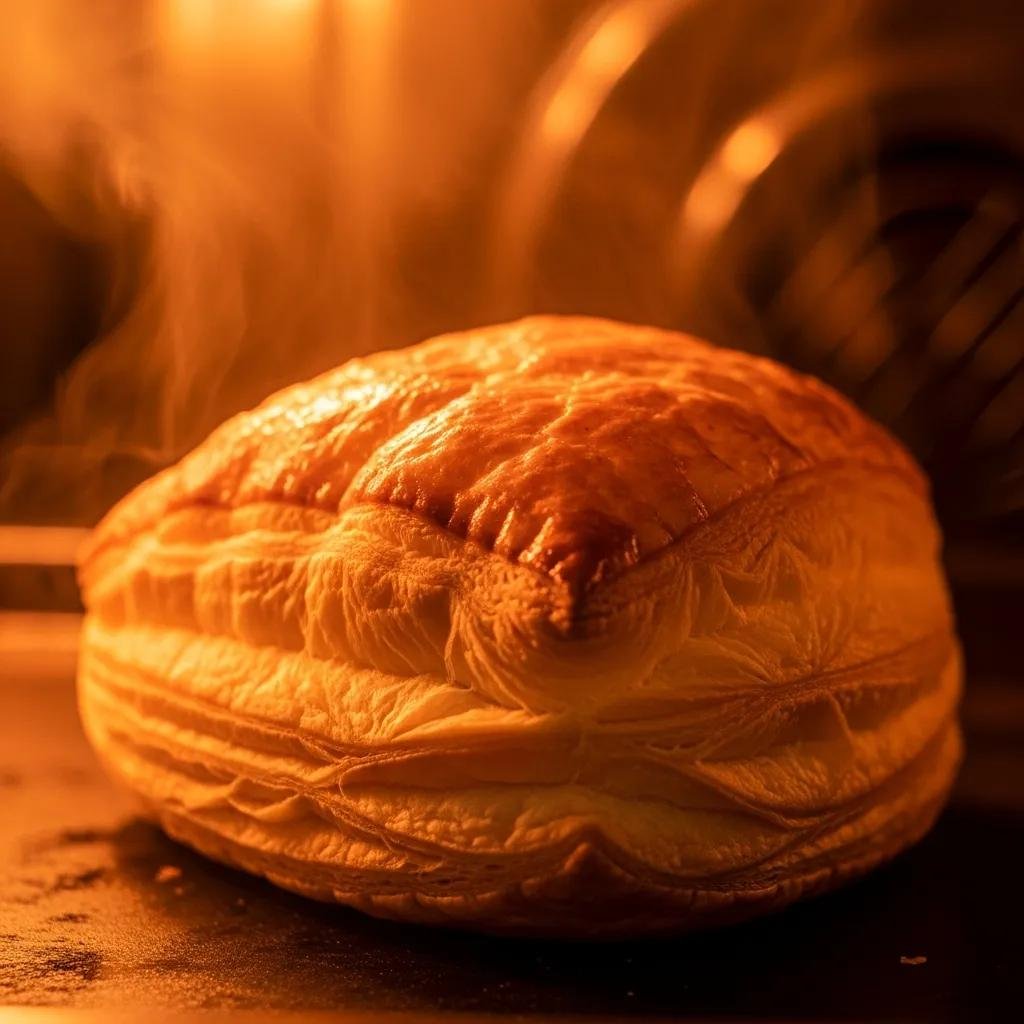
Baking puff pastry requires attention to detail to achieve the desired flaky layers. Understanding the right techniques can help avoid common pitfalls.
What Baking Temperatures and Techniques Create the Perfect Puff?
The ideal baking temperature for puff pastry is typically between 400°F to 425°F (200°C to 220°C). This high temperature allows the water in the dough to turn to steam quickly, causing the layers to rise. It’s important to preheat the oven thoroughly and avoid opening the door during the first stages of baking to maintain consistent heat.
This rapid expansion of steam is fundamental to what is known as the ‘puffing effect,’ transforming the dough into its characteristic airy structure.
The Puffing Effect: How Lamination Creates Flaky Pastry
During baking, the layered dough transforms into a generously lifted, aerated and flaky product, illustrative of the so- called “puffing effect”. It is thought that pastry dough development is closely related to what is
Baking: Laminated Bakery Products, C Blecker, 2021
How Can You Troubleshoot Issues Like Butter Leaking or Uneven Rise?
Common issues when baking puff pastry include butter leaking out or uneven rising. To troubleshoot these problems, ensure that the dough is well-chilled before baking and that the butter is properly incorporated. If butter leaks, it may indicate that the dough was rolled too thin, the butter was too warm or soft, or the dough was not rested sufficiently between turns.
What Are De Ma Vie Bakery’s Signature Puff Pastry Creations and Their Secrets?
De Ma Vie Bakery is renowned for its exquisite puff pastry creations, each with unique characteristics that set them apart.
What Makes Le Palmier a Unique Caramelized Puff Pastry Delight?
Le Palmier, also known as elephant ears, is a caramelized puff pastry that is both crispy and sweet. The secret to its unique flavor lies in the generous sprinkling of sugar during the rolling process, which caramelizes beautifully in the oven, creating a delightful crunch.
How Is the Mille-Feuille Crafted with Layers of Custard and Crisp Pastry?
The Mille-Feuille, or Napoleon, is crafted by layering puff pastry with rich pastry cream. The key to a successful Mille-Feuille is ensuring that the pastry layers are perfectly baked and crisp, allowing them to hold up against the creamy filling. This dessert showcases the versatility of puff pastry in both sweet and savory applications.
How Can You Master Homemade Puff Pastry with Expert Tips and Tricks?
Mastering homemade puff pastry requires practice and attention to detail. Here are some expert tips to help you succeed.
What Are the Secrets to Maintaining Dough Temperature and Texture?
Keeping the dough at the right temperature is crucial for successful lamination. Work in a cool environment, and if the dough becomes too warm, chill it in the refrigerator for 15-30 minutes before continuing. This helps maintain the integrity of the butter layers.
How Do You Achieve Consistent Flaky Pastry Layers at Home?
To achieve consistent flaky layers, focus on even rolling and proper folding techniques. Ensure that each layer of butter is evenly distributed and that the dough is not overworked. With practice, you will develop a feel for the dough, leading to perfect results every time.