
Master Easy French Crêpes at Home
French crêpes are thin pancakes suited to sweet or savoury fillings. This guide teaches you how to make easy crêpes at home — covering ingredients, preparation, fillings, storage and cultural notes, with a local example from De Ma Vie Bakery in Falls Church, Virginia. With a few focused tips you’ll master texture and flavour.
What Ingredients Do You Need for Authentic French Crêpes?
Authentic French crêpes rely on a short ingredient list: flour, eggs, milk and a pinch of salt. Each element contributes to structure, thinness and flavour, keeping the batter light and tender.
Which Quality Ingredients Ensure the Best Crêpe Batter?
Use fresh eggs, all‑purpose flour and whole milk — or a neutral plant milk if you prefer — for consistent results. Fresher ingredients improve both taste and batter behaviour.
How Does Ingredient Quality Affect Crêpe Texture and Flavor?
Ingredient quality affects texture and flavour. Organic flour or fresher milk can brighten taste and increase creaminess, while different eggs will alter colour and richness. Choose the best ingredients you can access for a noticeable improvement.
How Do You Prepare and Cook Thin, Perfect French Crêpes?
Making crêpes follows a simple, precise routine: mix the batter, let it rest, then cook on a correctly heated skillet to achieve the classic thinness.
What Are the Step-by-Step Instructions for Making Crêpe Batter?
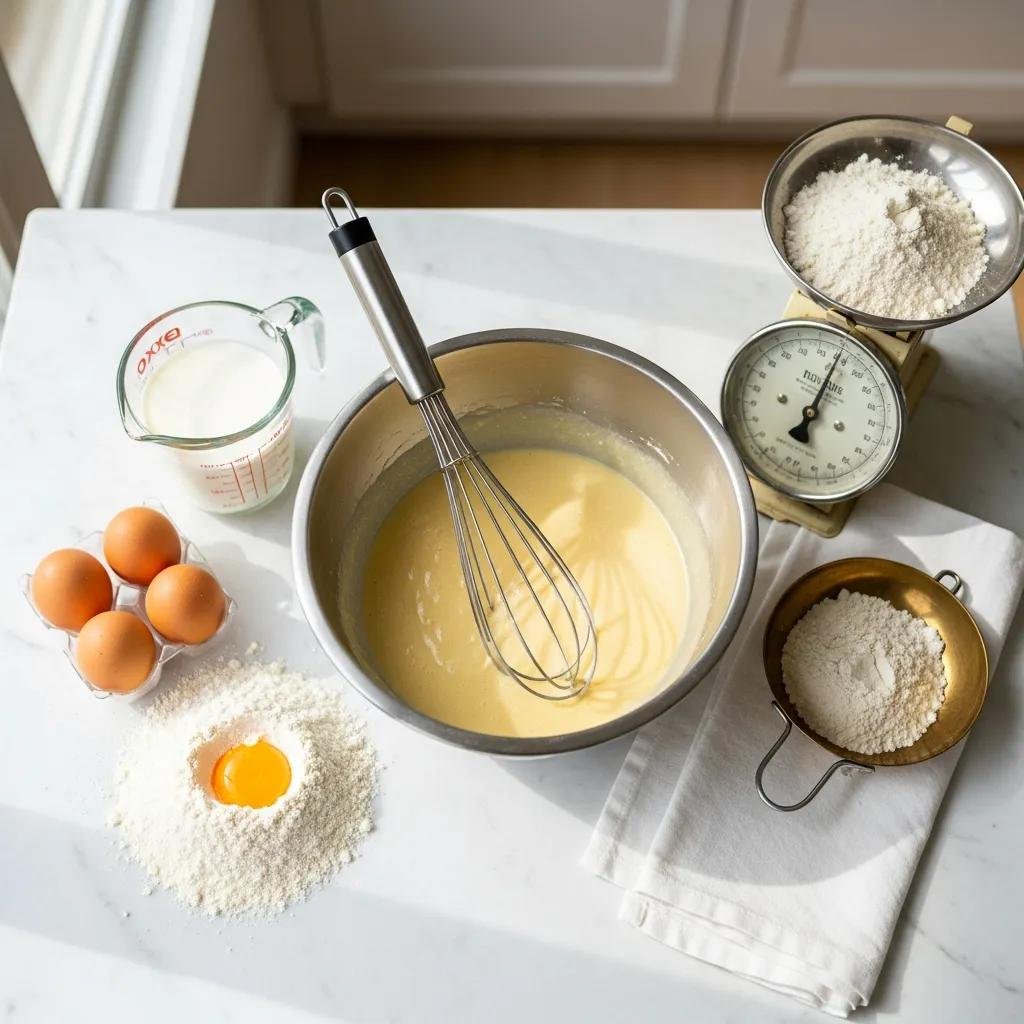
- Mix the Ingredients: In a bowl combine 1 cup flour, 2 large eggs, 1¼ cups milk and a pinch of salt. Whisk until smooth.
- Rest the Batter: Let the batter rest at least 30 minutes so the flour hydrates and the mixture smooths.
- Heat the Skillet: Preheat a non‑stick skillet over medium and lightly grease with butter or oil.
- Cook the Crêpes: Pour a small amount of batter, tilt to spread thinly, cook 1–2 minutes until edges lift, flip and cook about 1 minute more.
What Techniques Help Achieve Thin, Evenly Cooked Crêpes?
Control heat and portion size. Use a ladle for consistent batter and keep the skillet at a steady medium. Too hot will burn the crêpes; too cool gives uneven cooking. Regular practice improves speed and evenness.
What Are the Best Sweet and Savory Fillings for French Crêpes?
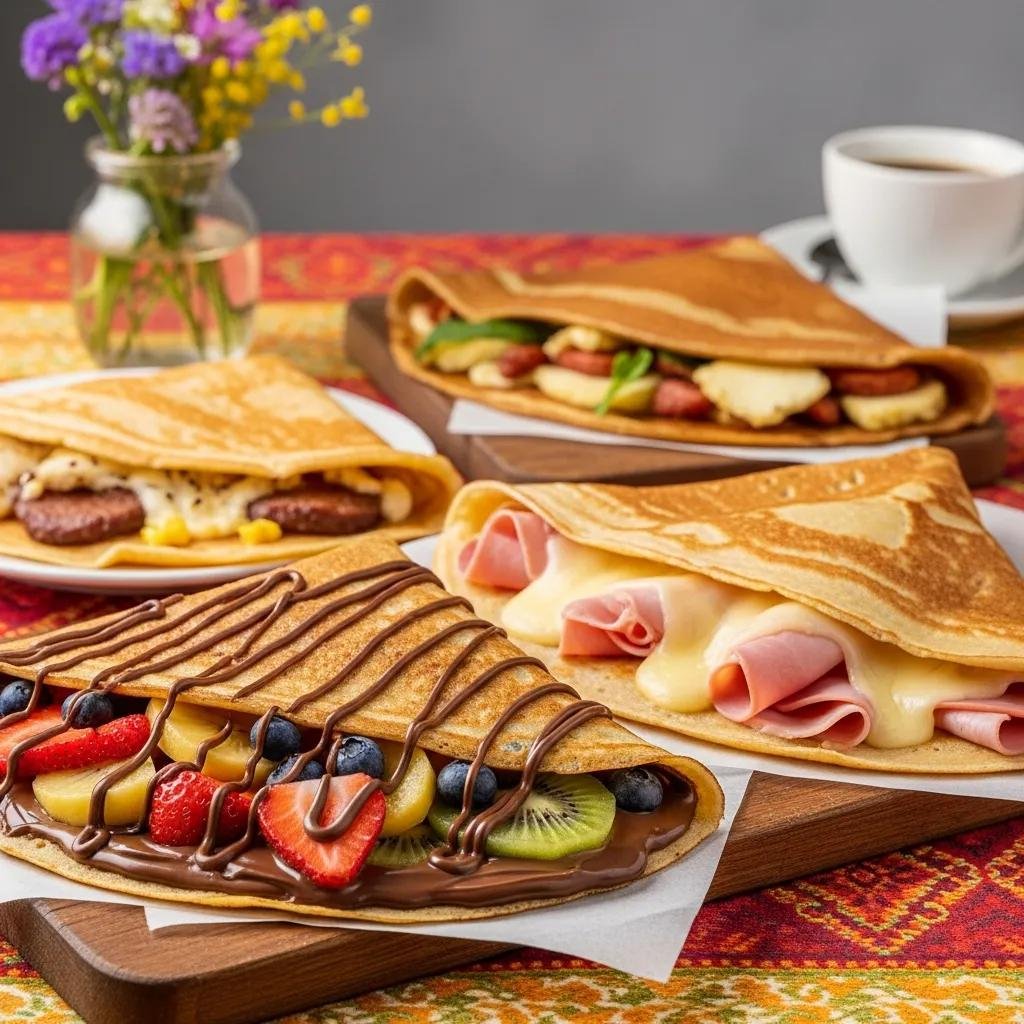
Crêpes take both sweet and savoury fillings, so they’re suitable for breakfast, lunch, dinner or dessert. Below are common, reliable options.
Which Classic Sweet Fillings Enhance French Crêpes?
Classic sweet fillings include:
- Nutella: Chocolate‑hazelnut spread for a decadent finish.
- Fresh Fruits: Strawberries, bananas or blueberries for freshness.
- Whipped Cream: Light cream to balance sweet toppings.
What Savory Crêpe Variations Are Ideal for Brunch and Dinner?
Savoury options include:
- Ham and Cheese: A classic, reliable combo.
- Spinach and Feta: Adds a Mediterranean flavour.
- Chicken and Mushroom: Hearty and suitable for dinner.
De Ma Vie Bakery offers both sweet and savoury crêpes for many occasions.
How Can You Store and Serve Homemade Crêpes for Maximum Freshness?
Proper storage keeps crêpes ready to serve. Use simple methods to preserve texture and flavour.
What Are the Best Practices for Storing Leftover Crêpes?
Stack crêpes with parchment between layers to prevent sticking, seal in an airtight container and refrigerate for up to two days. For longer storage, wrap tightly and freeze for up to two months.
How to Serve Crêpes Creatively for Different Occasions?
Presentation elevates crêpes. Try these ideas:
- Brunch Setups: A crêpe bar lets guests customise fillings and toppings.
- Dessert Presentations: Fold and dust with powdered sugar for an elegant finish.
- Themed Parties: Serve crêpes at a French‑inspired event with matching decor and music.
What Is the Cultural Significance of French Crêpes and Their Connection to De Ma Vie Bakery?
Crêpes are culturally significant in France, often linked to family gatherings and seasonal celebrations.
How Do French Traditions Like Chandeleur Celebrate Crêpes?
Chandeleur (2 February) is traditionally associated with crêpes. Families often cook and eat them together, and the custom is seen as lucky by many.
How Is the Mille Crêpe Cake Related to Classic French Crêpes?
The Mille Crêpe Cake stacks many crêpes with cream between layers, demonstrating the crêpe’s versatility. At De Ma Vie Bakery you can try their version, which emphasises technique and presentation.
Where Can You Experience Authentic French Pastries and Mille Crêpe Cake in Falls Church, Virginia?
De Ma Vie Bakery is a recommended stop for authentic pastries and crêpes.
What Makes De Ma Vie Bakery a Unique French Culinary Destination?
De Ma Vie Bakery focuses on quality and authenticity, offering traditional French pastries, freshly made crêpes and the Mille Crêpe Cake in a warm, inviting setting.
How to Visit De Ma Vie Bakery and Explore Its French Menu Offerings?
Located at 7787 Leesburg Pike, Falls Church, VA 22043, De Ma Vie Bakery welcomes guests to sample sweet and savoury crêpes and other French flavours for inspiration.
Frequently Asked Questions
How can I ensure my crêpes are perfectly thin every time?
To get consistently thin crêpes, control your batter portion. Use a ladle or measuring cup and tilt the skillet immediately after pouring to spread the batter. Keep the skillet at a steady medium heat — too hot burns, too cool cooks unevenly. Regular practice will improve your technique.
What are some popular variations of crêpes around the world?
Crêpes have inspired international variations. In Japan you’ll find crepes filled with sweet or savoury ingredients and served in a cone. In Mexico, cajeta crêpes use caramelised goat’s milk. In the United States crêpes are often a breakfast dish with fillings like eggs and bacon. Each culture adds its own twist, showing the dish’s versatility.
Can I make crêpes without eggs, and what alternatives can I use?
Yes — you can make crêpes without eggs using substitutes like flaxseed meal mixed with water, applesauce or silken tofu. These binders help mimic the texture. For a vegan option use plant‑based milk and an appropriate flour blend. Expect to adjust the batter consistency slightly when experimenting.
What kitchen tools are essential for making crêpes?
A few essential tools make crêpe work easier. Use a non‑stick skillet or crêpe pan for even cooking and easy flipping. A whisk or blender smooths the batter. A ladle or measuring cup ensures consistent portions; a spatula helps flip, and a cooling rack prevents soggy, steamed crêpes.
How can I incorporate seasonal ingredients into my crêpe fillings?
Use seasonal ingredients to boost flavour and freshness. In spring try asparagus and goat cheese; in summer, fresh berries and whipped cream. Autumn suits pumpkin puree and warming spices; winter works well with roasted root vegetables and hearty cheeses. Using local, seasonal produce supports sustainability and elevates your crêpes.
What are some tips for making crêpes with kids?
Making crêpes with kids is fun and educational. Let them help whisk and pour the batter, and use colourful fillings to spark creativity. Supervise the cooking, especially at the skillet, and let them choose toppings. The activity teaches basic cooking skills while creating memorable food experiences.
Conclusion
Mastering French crêpes at home opens a world of sweet and savoury possibilities. Use quality ingredients and refine your technique to produce crêpes that taste great and look attractive. Experiment with fillings and presentation to develop your skills. For authentic pastries and further inspiration, visit De Ma Vie Bakery in Falls Church, Virginia.


