
Savor Authentic Gâteau Basque
Gâteau Basque is a traditional cake from the Basque region of France. Its buttery crust and rich filling showcase regional pastry craft. This article explains the cake’s origins, core ingredients, cultural role, and serving suggestions, and identifies an authentic source in Falls Church, Virginia — De Ma Vie Bakery — where the tradition is reproduced locally.
What is Gâteau Basque? Understanding the Traditional French Basque Cake
Originating in the French Basque Country, Gâteau Basque combines a firm, buttery pâte sablée with a dense filling, most often vanilla pastry cream or black cherry jam. The thick dough encases the filling so each bite contrasts a crumbly exterior with a silky interior, a hallmark of Basque pastry technique.
What are the key characteristics of Gâteau Basque?
Defining features include a rich pâte sablée crust and a filling of vanilla pastry cream or black cherry jam—traditionally made from local cerises noires d’Iholdy. The top is often scored with a crosshatch. The crisp shell and silky filling create the cake’s distinctive mouthfeel; careful layering and precise baking preserve its authentic flavour and texture.
Where does Gâteau Basque originate from?
Gâteau Basque comes from southwest France near the Spanish border. Shaped by local ingredients and culinary practice, its history dates back at least to the 19th century. Bakers introduced regional variations as the cake spread across France and beyond, while keeping its essential form.
How is Gâteau Basque made? Ingredients and Craftsmanship Explained
Making Gâteau Basque calls for precise technique and balanced ingredients. The traditional recipe relies on a few essentials, each affecting the cake’s final texture and flavour.
What are the traditional ingredients of Gâteau Basque?
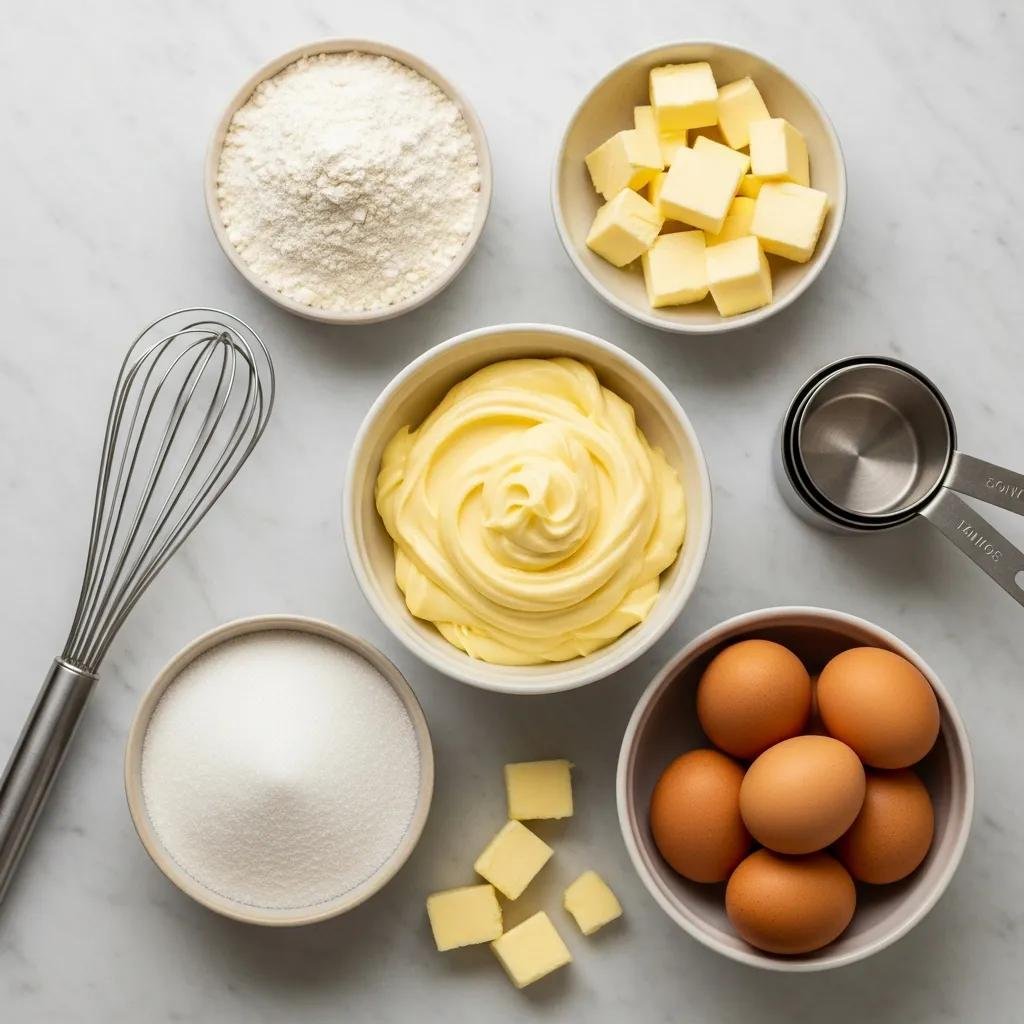
Key ingredients include flour for structure; butter for richness; sugar for sweetness; eggs to bind and add moisture; and a filling of vanilla pastry cream or black cherry jam. Together they create the cake’s characteristic taste and texture.
What baking techniques define authentic Gâteau Basque?
Traditionally, cream butter and sugar, then add flour and eggs to form the pâte sablée. Pastry cream is made by heating milk with vanilla and thickening with egg yolks and flour or cornstarch. Roll the dough, layer the filling, and bake until the crust is golden—these steps produce the cake’s signature structure and flavour.
What is the history and cultural origin of Gâteau Basque?
The cake’s history reflects Basque cultural life. It’s long been linked to family gatherings and communal celebrations and has served as a regional staple.
Who popularized Gâteau Basque and how did it evolve?
Its popularity spread through families and local bakers who passed down recipes. No single creator is credited; instead, bakers developed variations in fillings and small details while preserving the cake’s traditional core.
What cultural traditions surround Gâteau Basque?
Gâteau Basque is commonly served at family events and regional festivals as a symbol of togetherness. It’s also offered at weddings and holidays, reflecting the role of food in Basque social life.
Where can you find authentic Gâteau Basque in Falls Church, Virginia?
If you’re seeking an authentic Gâteau Basque in Falls Church, De Ma Vie Bakery is a reliable choice. The bakery focuses on traditional French pastries and offers local interpretations of classic recipes.
What makes De Ma Vie Bakery’s Gâteau Basque unique?
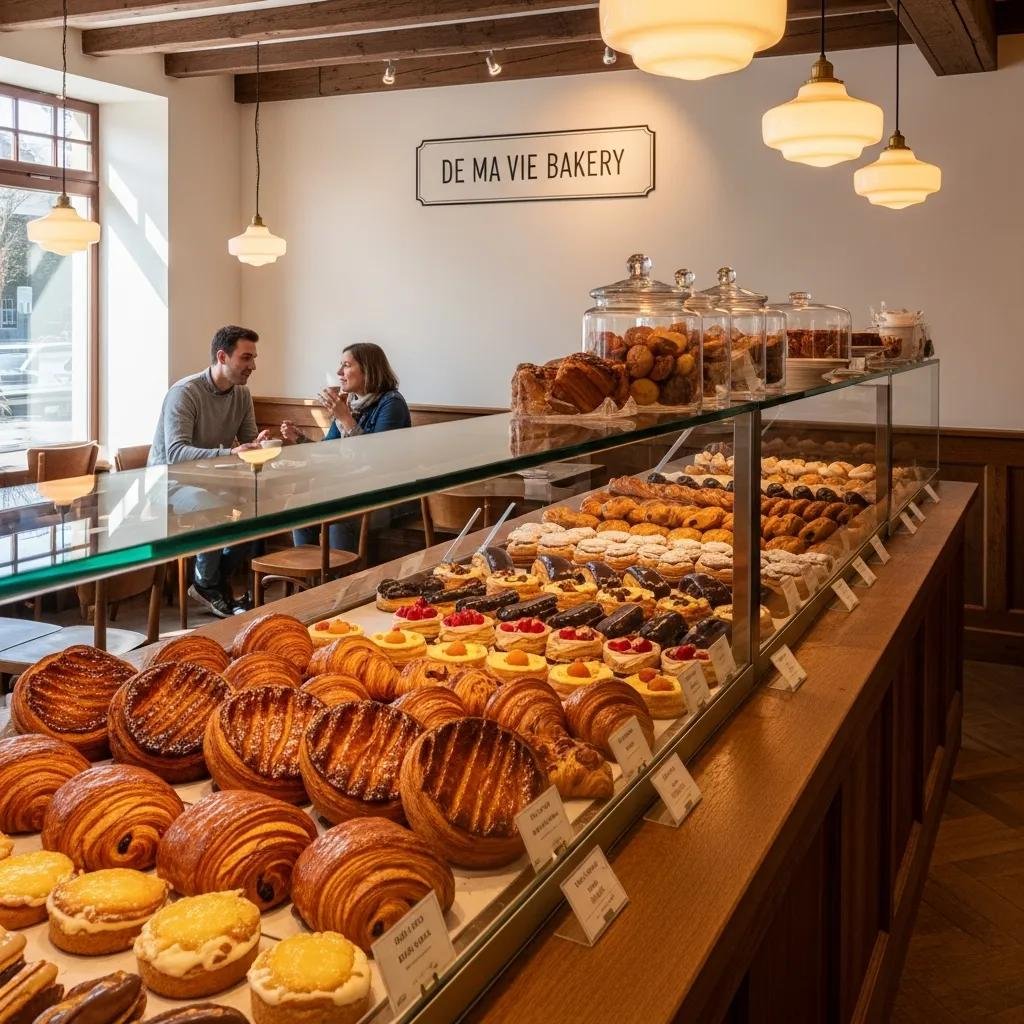
De Ma Vie Bakery emphasises high-quality, locally sourced ingredients and faithful recipes. Skilled pastry chefs prepare each cake with care to recreate the dessert’s authentic profile. Fresh fruit preserves and house-made pastry cream enhance the flavour for pastry enthusiasts.
How to visit and experience De Ma Vie Bakery’s French pastries?
Visit De Ma Vie at 7787 Leesburg Pike, Falls Church, VA 22043 to sample their pastries. The bakery offers a warm setting to enjoy a slice of Gâteau Basque with coffee or tea, and stocks French classics such as croissants, macarons, and baguettes.
How to enjoy Gâteau Basque: Pairings and Serving Suggestions
Gâteau Basque is versatile; thoughtful pairings and simple serving techniques highlight its texture and flavour.
What beverages complement Gâteau Basque?
Coffee is a classic match; its bitterness balances the cake’s sweetness. Earl Grey or green tea provides a lighter contrast. For a richer pairing, a sweet dessert wine such as Jurançon or Sauternes will amplify the cake’s flavours.
How to serve Gâteau Basque for optimal taste and texture?
Serve Gâteau Basque at room temperature so the flavours open and the filling remains creamy. Garnish with fresh fruit or a light dusting of powdered sugar. Slice into wedges to share—its shape and texture suit gatherings and celebrations.
Frequently Asked Questions
What variations of Gâteau Basque exist across different regions?
Gâteau Basque has inspired regional variations across the Basque Country and beyond. Some bakers use local ingredients—different fruits or nuts—while others experiment with spices or citrus zest. These adaptations keep the cake’s traditional structure but produce flavours that reflect local culinary traditions.
How does Gâteau Basque compare to other French pastries?
Gâteau Basque differs from many French pastries because of its firm crust and rich filling. Compared with lighter items such as éclairs or macarons, it is denser and more substantial. Its flavour profile, rooted in Basque culture, distinguishes it from other regional specialties.
What is the significance of the crosshatch pattern on Gâteau Basque?
The crosshatch pattern is practical: scoring allows steam to escape during baking, preventing the filling from becoming too moist. It also signals traditional craftsmanship, showing the baker’s skill and attention to detail necessary for an authentic Gâteau Basque.
Can Gâteau Basque be made ahead of time?
Yes. Gâteau Basque can be made ahead, which is convenient for gatherings. Bake it a day or two in advance and allow it to cool completely before wrapping in plastic wrap and storing at room temperature. This resting time lets flavours meld and enhances the overall taste when served.
What are some creative serving ideas for Gâteau Basque?
To elevate Gâteau Basque, serve it with a dollop of whipped cream or a scoop of vanilla ice cream. Fresh berries or a berry compote add a refreshing contrast to the cake’s richness. For a gourmet touch, drizzle with chocolate or caramel sauce to enhance both flavour and presentation.
Is it possible to find gluten-free alternatives for Gâteau Basque?
Yes. Gluten-free alternatives can be made using flours such as almond or rice flour. The texture may differ slightly from the traditional version, but careful adjustments in the recipe can yield a satisfying result. Experimenting with different gluten-free blends can help approach the original’s taste and consistency.
Conclusion
Gâteau Basque embodies the Basque region’s pastry tradition, showcasing a careful balance of flavours and textures. Learning its history, ingredients, and cultural significance will deepen your appreciation. For an authentic experience, visit De Ma Vie Bakery in Falls Church, Virginia, where skilled bakers craft each cake with dedication and quality. Treat yourself to a slice and savour the essence of French culinary heritage.


