


French Butter vs. American Butter: Understanding the Key Differences for Baking and Pastries
When it comes to baking, the type of butter you choose can significantly impact the flavor and texture of your pastries. French butter and American butter are two popular options, each with unique characteristics that cater to different baking needs. This article will explore the key differences between these two types of butter, focusing on their butterfat content, culturing processes, and how these factors influence baking outcomes. Understanding these distinctions will help you make informed choices in your baking endeavors, whether you’re a professional pastry chef or a home baker.
In this guide, we will delve into the main differences between French and American butter, the importance of butterfat content for flaky pastries, the role of cultured butter in enhancing flavor, and how De Ma Vie Bakery in Falls Church, VA, uniquely incorporates French butter into their offerings. We will also provide practical tips for home bakers considering substitutions and address common questions about these two butter types.
What Are the Main Differences Between French Butter and American Butter?
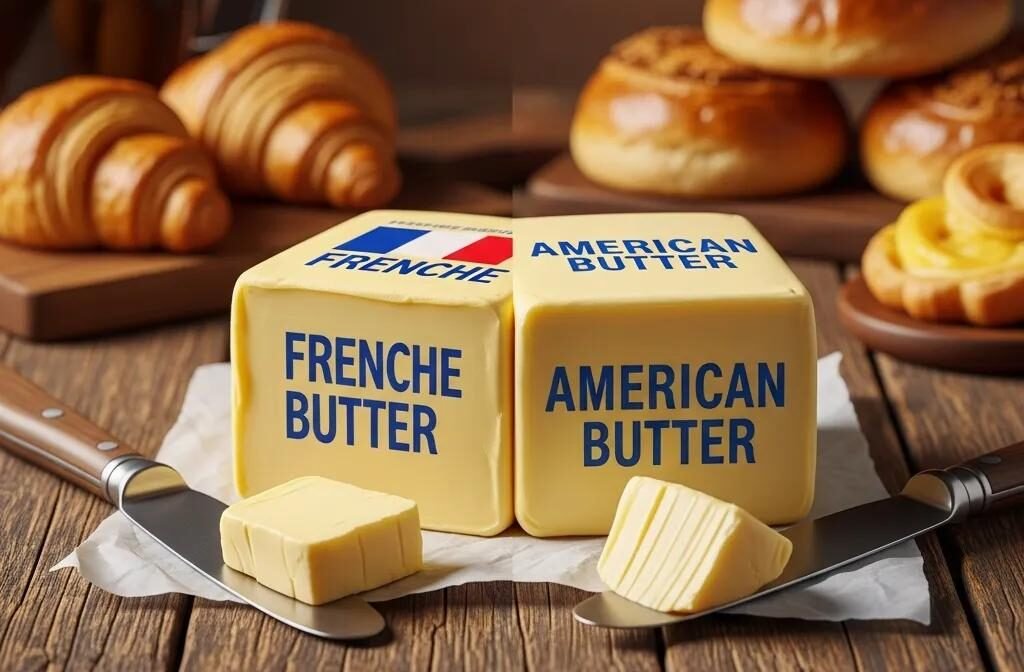
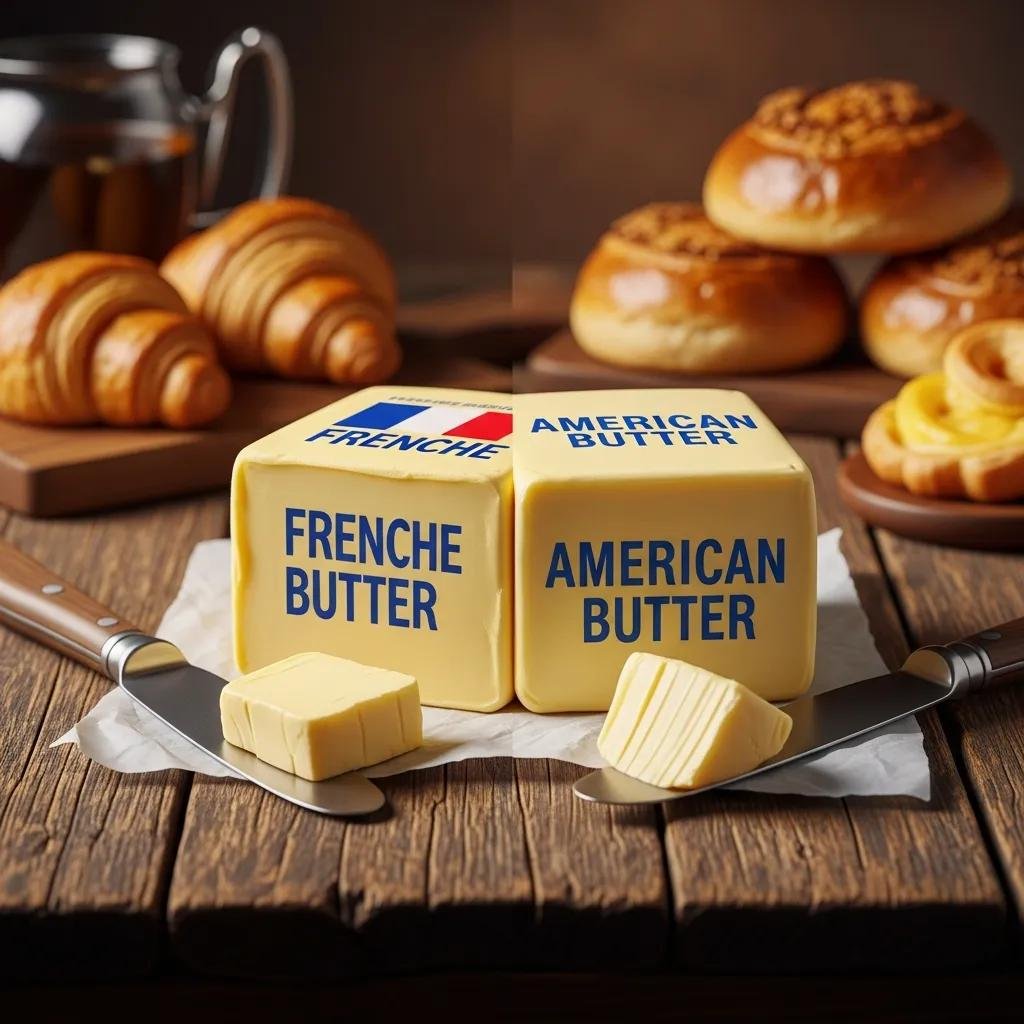
French butter and American butter differ primarily in their butterfat content and culturing processes. French butter typically contains around 82% to 84% butterfat, while American butter usually has about 80%. This slight difference in fat content can significantly affect the texture and flavor of baked goods. Higher butterfat content in French butter contributes to a richer taste and a creamier texture, making it ideal for pastries that require a delicate balance of flavor and flakiness.
Another key difference lies in the culturing process. French butter is often cultured, meaning it undergoes fermentation before being churned. This process enhances its flavor profile, giving it a tangy, complex taste that is highly sought after in gourmet baking. In contrast, most American butter is sweet cream butter, which lacks this depth of flavor. Understanding these differences is crucial for bakers aiming to achieve specific results in their pastries.
How Does Butterfat Content Vary Between French and American Butter?
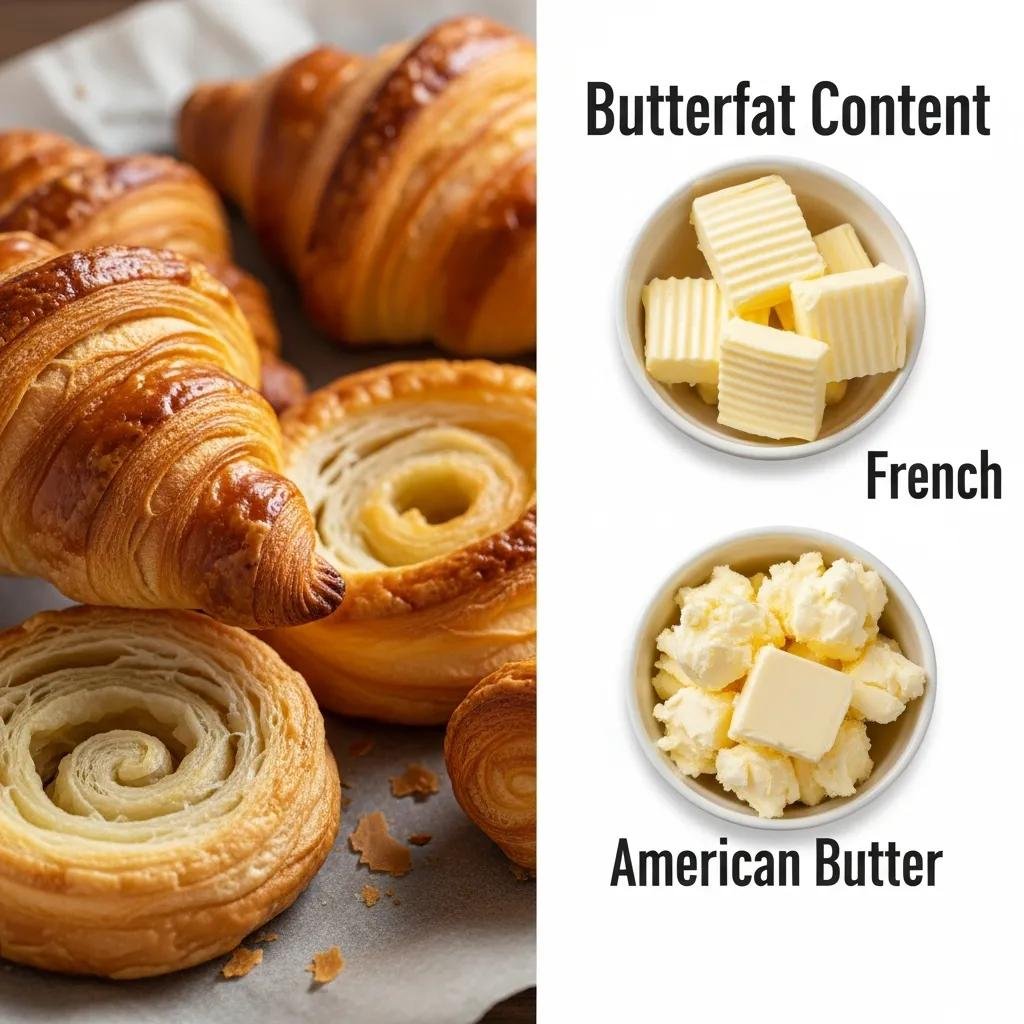
The butterfat content in French and American butter varies, with French butter generally containing about 82% to 84% butterfat compared to the 80% found in American butter. This difference may seem minor, but it plays a significant role in the overall quality of baked goods. Higher butterfat content leads to a more tender and flavorful pastry, as fat is essential for creating a flaky texture.
In baking, the fat content affects how the dough behaves. For instance, when making croissants or puff pastry, the additional fat from French butter allows for better layering and flakiness, resulting in a superior final product. Therefore, choosing the right butter based on its fat content can greatly influence the success of your baking endeavors.
What Role Does Culturing Play in French Butter's Flavor?
Culturing is a process that involves fermenting cream before churning it into butter. This method is commonly used in French butter production and significantly impacts the flavor. The fermentation process introduces beneficial bacteria that develop complex flavor compounds, resulting in a tangy and rich taste profile.
In contrast, American butter is typically made from sweet cream, which does not undergo this fermentation process. As a result, it tends to have a milder flavor. For bakers looking to enhance the taste of their pastries, using cultured French butter can elevate the overall quality and depth of flavor, making it a preferred choice for many professional bakers.
Why Is Butterfat Content Crucial for Baking Flaky Pastries?
Butterfat content is crucial for achieving the desired texture in flaky pastries. The fat in butter coats the flour particles, preventing gluten formation and allowing for a tender, flaky texture. Higher butterfat content, as found in French butter, contributes to a more delicate and airy pastry, which is essential for items like croissants and puff pastry.
When baking flaky pastries, the quality of the butter used can make a significant difference. The additional fat in French butter not only enhances the flavor but also improves the overall texture, resulting in a more enjoyable eating experience. Understanding the importance of butterfat content can help bakers select the right butter for their specific pastry needs.
How Does Higher Butterfat Improve Croissant Texture and Flavor?
Higher butterfat content in French butter plays a vital role in improving the texture and flavor of croissants. The increased fat allows for better layering during the lamination process, which is essential for creating the flaky layers characteristic of a well-made croissant.
Additionally, the rich flavor of French butter enhances the overall taste of the croissant, making it more indulgent and satisfying. Bakers who prioritize quality often choose French butter for their croissants to achieve that perfect balance of texture and flavor that sets their pastries apart.
What Are the Benefits of Using European-Style Butter in Laminated Doughs?
Using European-style butter, which typically has a higher butterfat content, in laminated doughs offers several benefits. First, the increased fat content contributes to a more tender and flaky texture, essential for pastries like croissants and Danish pastries.
Second, the flavor profile of European-style butter enhances the overall taste of the finished product. The rich, creamy taste complements the sweetness of the dough, creating a more balanced flavor. Lastly, the higher fat content allows for better moisture retention, resulting in a pastry that stays fresh longer. For bakers aiming for the best results, incorporating European-style butter into laminated doughs is a wise choice.
How Does Cultured Butter Enhance the Taste and Quality of French Pastries?
Cultured butter significantly enhances the taste and quality of French pastries. The fermentation process involved in making cultured butter introduces unique flavor compounds that elevate the overall taste profile. This tangy, rich flavor is particularly desirable in pastries, where it can complement sweet and savory elements alike.
Moreover, the quality of cultured butter contributes to the texture of pastries. The additional fat and slightly lower moisture content help create a tender crumb, making pastries more enjoyable to eat. For bakers looking to achieve authentic French pastry results, using cultured butter is essential.
What Flavor Notes Distinguish Cultured Butter from Sweet Cream Butter?
Cultured butter is characterized by its distinct flavor notes, which set it apart from sweet cream butter. The fermentation process imparts a tangy, slightly nutty flavor that adds depth to baked goods. In contrast, sweet cream butter has a milder, creamier taste that lacks the complexity found in cultured varieties.
These flavor differences can significantly impact the final product. For instance, pastries made with cultured butter often have a more pronounced flavor, enhancing the overall eating experience. Understanding these distinctions can help bakers choose the right butter for their specific recipes.
Why Do French Bakers Prefer Cultured Butter for Traditional Recipes?
French bakers prefer cultured butter for traditional recipes due to its superior flavor and quality. The tangy notes and rich taste of cultured butter enhance the overall quality of pastries, making them more appealing to customers. Additionally, the texture provided by cultured butter contributes to the flaky and tender characteristics that are hallmarks of French baking.
Using cultured butter aligns with the traditional methods of French pastry making, where quality ingredients are paramount. For bakers aiming to create authentic French pastries, incorporating cultured butter is a key element in achieving the desired results.
What Makes De Ma Vie Bakery’s Use of French Butter Unique in Falls Church, VA?
De Ma Vie Bakery stands out in Falls Church, VA, for its commitment to using high-quality French butter in its pastries. This dedication to authentic ingredients allows the bakery to create pastries that reflect the rich culinary traditions of France. The use of French butter not only enhances the flavor but also contributes to the superior texture of their baked goods.
The bakery’s ingredient philosophy emphasizes quality and authenticity, ensuring that each pastry is crafted with care. By sourcing the best ingredients, De Ma Vie Bakery elevates the standard for French pastries in the local community, providing customers with a true taste of France.
How Does De Ma Vie’s Ingredient Philosophy Elevate Their Pastries?
De Ma Vie Bakery’s ingredient philosophy focuses on using high-quality, authentic ingredients to create exceptional pastries. By prioritizing French butter, the bakery ensures that each pastry has the rich flavor and flaky texture that customers expect from traditional French baking.
This commitment to quality extends beyond butter, as the bakery sources other ingredients with the same level of care. The result is a range of pastries that not only taste incredible but also reflect the artistry and tradition of French baking. For those seeking an authentic experience, De Ma Vie Bakery delivers on its promise of quality.
Where Can You Experience Authentic French Butter Pastries Locally?
To experience authentic French butter pastries, visit De Ma Vie Bakery located at 7787 Leesburg Pike, Falls Church, VA 22043. The bakery offers a delightful selection of pastries made with high-quality French butter, ensuring that each bite is a true representation of French culinary excellence.
The inviting atmosphere of the bakery adds to the experience, making it a perfect spot for enjoying a pastry with a cup of coffee. Whether you’re looking for a classic croissant or a decadent pastry, De Ma Vie Bakery is the place to indulge in authentic French flavors.
Can Home Bakers Substitute French Butter for American Butter?
Home bakers often wonder if they can substitute French butter for American butter in their recipes. While it is possible, there are some important considerations to keep in mind. The higher butterfat content in French butter can lead to richer and more flavorful baked goods, but it may also require adjustments in recipes to achieve the desired results.
When substituting, it’s essential to consider the fat content and moisture levels in your recipe. For instance, if a recipe calls for American butter, using French butter may result in a richer dough that could require less additional fat. Understanding these nuances can help home bakers successfully incorporate French butter into their baking.
What Baking Tips Improve Results When Using French Butter at Home?
To improve results when using French butter at home, consider the following tips:
- Adjust Measurements: Since French butter has a higher fat content, you may need to reduce the amount of other fats in your recipe.
- Temperature Matters: Ensure that the butter is at the right temperature for your recipe, as this can affect the texture of your baked goods.
- Experiment with Recipes: Start with recipes that specifically call for French butter to understand how it behaves in baking.
By following these tips, home bakers can successfully utilize French butter to enhance their baked goods.
How Does Water Content Affect Butter Performance in Recipes?
Water content in butter can significantly affect its performance in baking. French butter typically has a lower water content (around 16-18%) compared to American butter (which can have up to 18-20%), which can lead to differences in texture and moisture levels in baked goods.
When using French butter, bakers may notice that their pastries are flakier and less prone to becoming soggy. This is particularly important in recipes where moisture control is crucial, such as in puff pastry or croissants. Understanding the water content in butter can help bakers make informed choices for their recipes.
What Are Common Questions About French and American Butter Differences?
As bakers explore the differences between French and American butter, several common questions arise. Understanding these queries can help clarify the distinctions and guide better baking practices.
Why Is French Butter Typically More Yellow Than American Butter?
French butter is often more yellow than American butter due to the diet of the cows that produce the milk. Cows in France are frequently fed a diet rich in carotenoids, which contribute to the butter’s vibrant color. In contrast, American cows may have a different diet, resulting in paler butter.
This color difference can also indicate the butter’s quality and richness. For bakers, the color of the butter can be a visual cue for selecting high-quality options that will enhance their baked goods.
Is European Butter Always Better for Baking Pastries?
While European butter, including French butter, is often preferred for baking pastries due to its higher fat content and flavor, it is not always the only option. American butter can still produce excellent results, especially in recipes that do not rely heavily on the butter’s flavor.
Ultimately, the choice between European and American butter depends on the specific recipe and the desired outcome. For bakers seeking a richer flavor and texture, European butter is an excellent choice, but American butter can still yield delicious results in many applications.