


Exploring French Bread: Baguette, Fougasse, and More at De Ma Vie Bakery in Falls Church
French bread is not just a staple; it is a cultural icon that embodies the essence of French culinary artistry. This article delves into the rich history and diverse types of French bread, including the beloved baguette and the unique fougasse. Readers will discover the significance of these breads, their traditional preparation methods, and how they can enhance any meal. Many people seek authentic French bread experiences that transport them to the streets of Paris. This guide will explore the history of the baguette, the characteristics of fougasse, and the other traditional breads available at De Ma Vie Bakery. Additionally, we will discuss how to pair these breads with various cheeses, soups, and spreads, culminating in a compelling reason to visit De Ma Vie Bakery for an authentic taste of France.
Indeed, the cultural significance of French bread extends beyond mere sustenance, deeply intertwining with the nation’s identity.
French Bread: A Cultural Icon & National Identity
In a culture in which bread is sacrosanct, bad bread was more than a gastronomical disappointment; it was a threat to France’s sense of itself.
Good bread is back: a contemporary History of French bread, the way it is made, and the people who make it, 2006
What is the history and tradition behind the French baguette?
The baguette is a symbol of French culture, known for its long, thin shape and crispy crust. Its origins can be traced back to the early 20th century, with the term “baguette” first appearing in the 1920s. The popularization of the baguette is often linked to a 1920 law that regulated the working hours of bakers, encouraging the production of longer, thinner loaves that could be baked more quickly. The baguette’s cultural significance is profound, as it represents not only a staple food but also a social experience, often enjoyed fresh from the bakery. The traditional baking methods, including the use of steam in the oven, contribute to its unique texture and flavor, making it a beloved choice for many.
How did the baguette become an iconic French bread?
The evolution of the baguette’s status in French culture is marked by several key historical milestones. Initially, it was a practical solution for bakers to produce bread quickly and efficiently. Over time, it became associated with the French way of life, symbolizing community and daily rituals. The baguette’s popularity surged in the 20th century, particularly after World War I and into the interwar period, as it became a staple in households across France, solidifying its place in the hearts of the French people.
What makes De Ma Vie Bakery’s baguette authentic and unique?
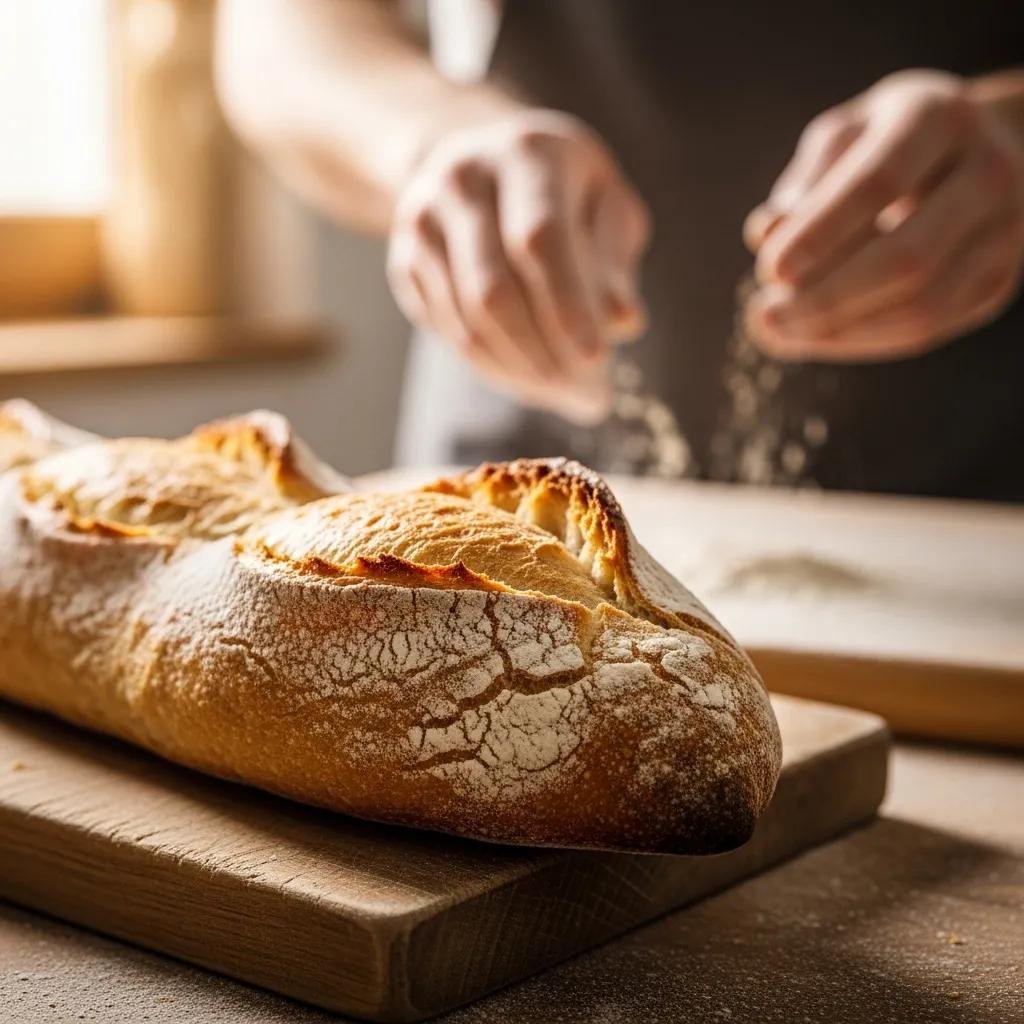
At De Ma Vie Bakery, the baguette is crafted using traditional techniques that honor its heritage. The bakery sources high-quality, locally produced ingredients, ensuring that each loaf is made with care and precision. The use of a long fermentation process enhances the flavor and texture, resulting in a crusty exterior and a soft, airy crumb. This commitment to authenticity and quality sets De Ma Vie Bakery’s baguette apart, making it a must-try for anyone seeking a genuine French bread experience.
The sensory delight of a freshly baked baguette is a cornerstone of French food culture, as highlighted by various culinary observations.
Authentic French Baguette Experience
crisp fresh almond, or a fragrant piece of baguette still warm from the oven has perhaps
Food culture in France, 2006
This artisanal approach, particularly the emphasis on extended fermentation, is a key factor in achieving superior bread quality.
Fermentation’s Impact on French Bread Quality
The study aimed to evaluate the impact of long and short fermentation on the sensory and nutritional properties of French sourdough and yeast bread. The long fermentation was performed at low temperatures, and is close to “artisanal processes”, while the short fermentation was performed at higher temperatures, and is associated with “intensive processes” used in industries.
Effect of fermentation conditions of bread dough on the sensory and nutritional properties of French bread, S Regnault, 2023
Further research elaborates on how these fermentation conditions, whether artisanal or industrial, significantly influence the sensory and nutritional qualities of French bread.
French Bread Fermentation: Artisanal vs. Industrial
The study aimed to evaluate the impact of long and short fermentation on the sensory and nutritional properties of French sourdough and yeast bread. The long fermentation was performed at low temperatures, and is close to “artisanal processes”, while the short fermentation was performed at higher temperatures, and is associated with “intensive processes” used in industries. In sourdough bread, long fermentation promoted the Maillard reaction and aromas from the metabolism of lactic acid bacteria, and had a positive effect on the sensory perception of the crust and crumb.
Effect of fermentation conditions of bread dough on the sensory and nutritional properties of French bread, S Regnault, 2023
What defines fougasse bread and how does it differ from focaccia?
Fougasse is a traditional French bread that is often compared to Italian focaccia, but it has its own unique characteristics. Typically shaped like a leaf or an ear of wheat, fougasse is known for its rustic appearance and flavorful toppings. The dough is enriched with olive oil, which contributes to its moist texture and enhances its flavor profile. Unlike focaccia, which is usually thicker and softer, fougasse has a chewier crust and is often infused with herbs and other ingredients.
What are the origins and characteristics of fougasse?
The origins of fougasse can be traced back to the Provence region of France, where it was traditionally made by farmers to use up leftover dough. Its unique shape and toppings reflect the local ingredients available, such as olives, herbs, and cheese. Fougasse is often enjoyed as an appetizer or side dish, making it a versatile addition to any meal. Its distinct flavor and texture make it a favorite among those who appreciate artisanal bread.
How does De Ma Vie Bakery craft its traditional herb-infused fougasse?
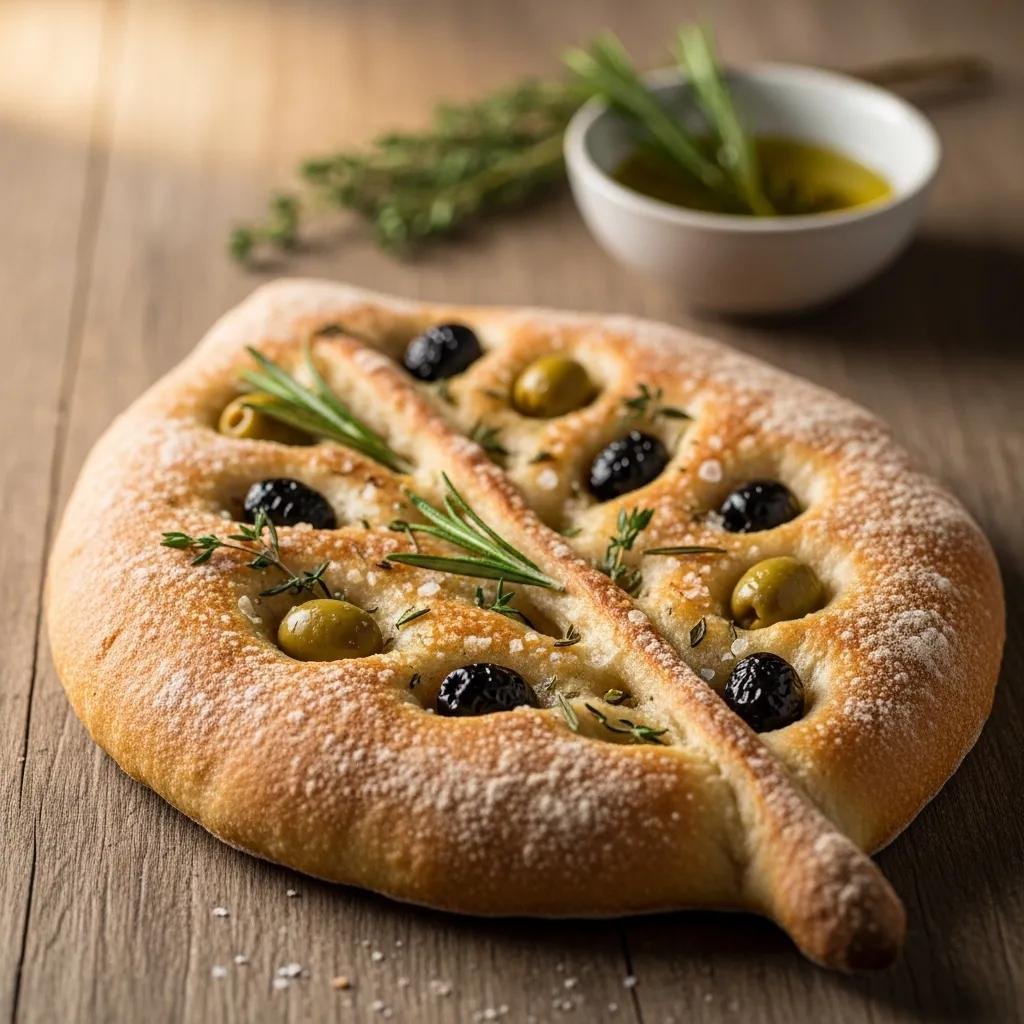
At De Ma Vie Bakery, the fougasse is crafted with a focus on traditional methods and high-quality ingredients. The dough is prepared with a blend of local flours and infused with fresh herbs, creating a fragrant and flavorful bread. The baking process involves a careful balance of heat and steam, resulting in a beautifully crusty exterior and a soft, herb-infused interior. This attention to detail ensures that each loaf of fougasse is not only delicious but also a true representation of French baking traditions.
Which other traditional French breads are offered at De Ma Vie Bakery?
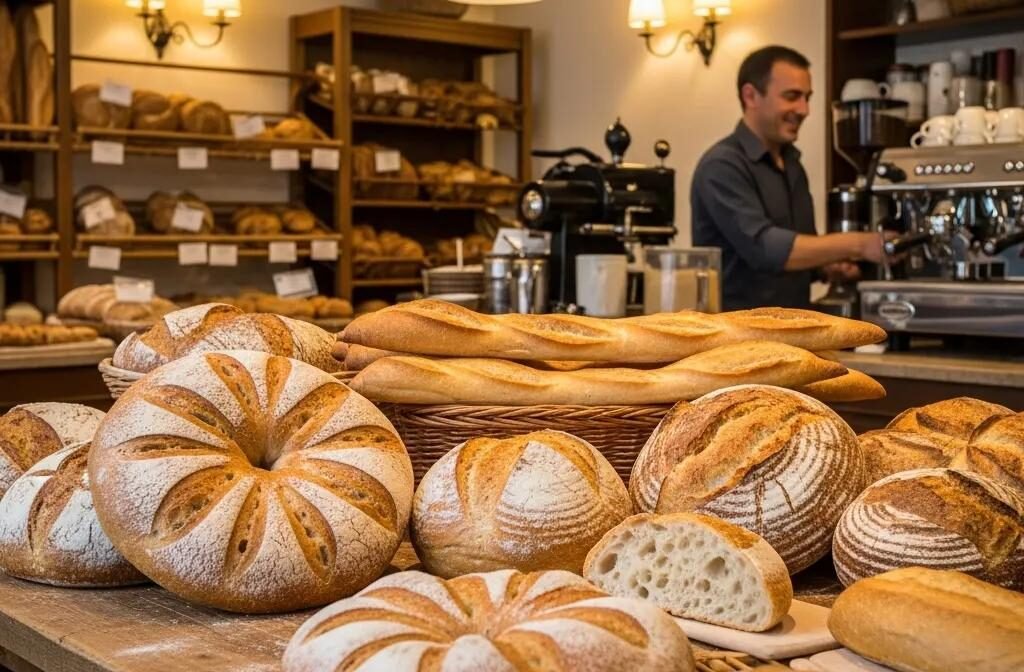
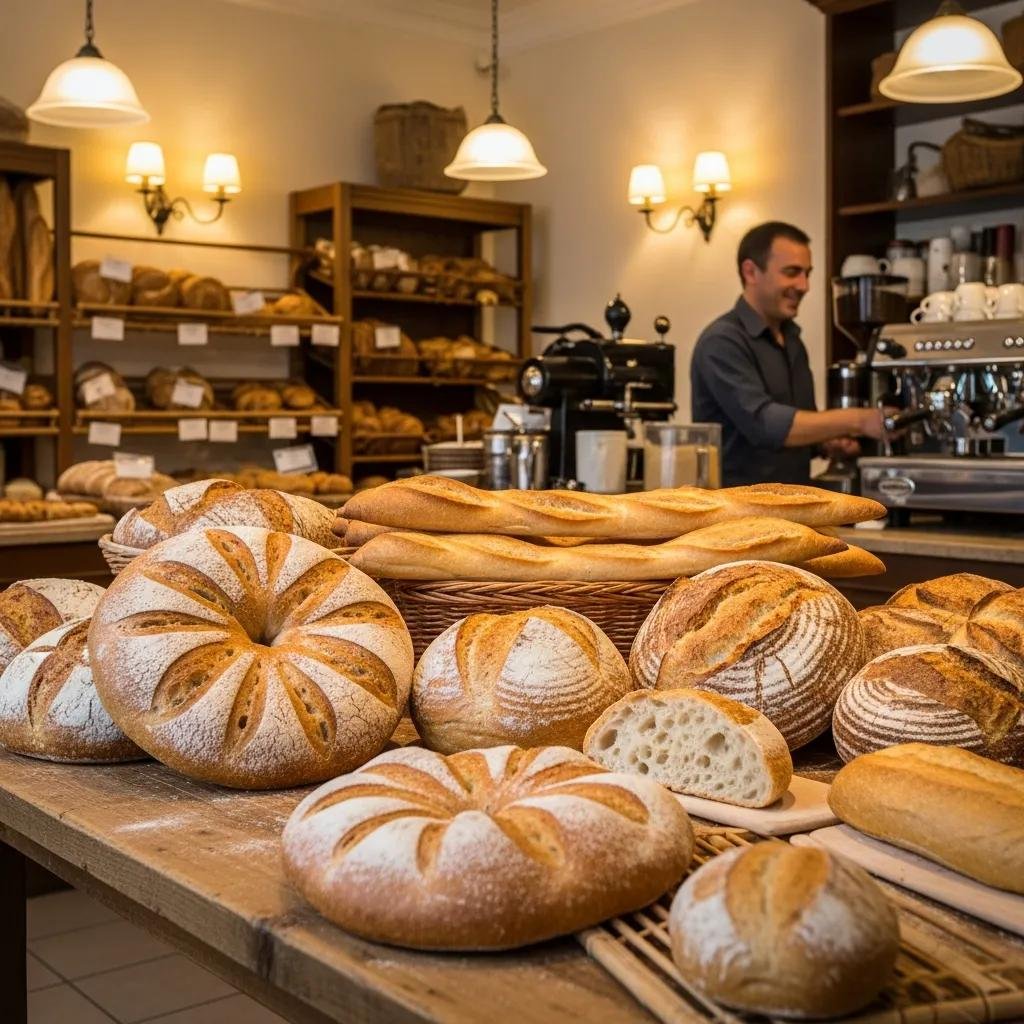
In addition to baguettes and fougasse, De Ma Vie Bakery offers a variety of other traditional French breads that showcase the diversity of French baking. Each type of bread has its own unique characteristics and flavor profiles, making them perfect for different occasions.
What are the features of Pain de Campagne, sourdough, and brioche?
- Pain de Campagne: This rustic country bread is made with a mix of flours, often including whole wheat and sometimes rye, which gives it a hearty texture and a slightly tangy flavor. It is perfect for sandwiches or served alongside soups.
- Sourdough: Known for its distinctive tangy flavor, sourdough is made through a natural fermentation process that develops its unique taste and chewy texture. It pairs well with a variety of toppings, from butter to gourmet cheeses.
- Brioche: This rich, buttery bread is slightly sweet and has a soft, tender crumb. Brioche is often enjoyed for breakfast or as a base for decadent French toast.
Understanding the nuances of various French bread types and their preparation methods is crucial for appreciating their distinct qualities.
French Bread Varieties & Baking Process Effects
First study: Nine healthy subjects were randomized to consume in a crossover design one of six kinds of French bread (each containing 50 g available carbohydrate): classic baguette, traditional baguette, loaf of wholemeal bread (WM-B), loaf of bread fermented with yeast or with leaven, a sandwich and a glucose challenge as reference.
Effect of baking process on postprandial metabolic consequences: randomized trials in normal and type 2 diabetic subjects, 2007
Further studies delve into the specific metabolic impacts of consuming different French bread varieties prepared through various baking processes.
French Bread Varieties and Baking Processes
First study: Nine healthy subjects were randomized to consume in a crossover design one of six kinds of French bread (each containing 50 g available carbohydrate): classic baguette, traditional baguette, loaf of wholemeal bread (WM-B), loaf of bread fermented with yeast or with leaven, a sandwich and a glucose challenge as reference.
Effect of baking process on postprandial metabolic consequences: randomized trials in normal and type 2 diabetic subjects, 2007
How do these breads complement the bakery’s French bread selection?
The diverse selection of breads at De Ma Vie Bakery complements the overall French bread experience. Each bread type offers unique flavors and textures that can enhance various meals. For instance, Pain de Campagne pairs beautifully with hearty stews, while brioche is ideal for sweet dishes. The bakery’s commitment to quality ensures that each bread is made with care, allowing customers to enjoy a true taste of France.
How can you pair French breads with cheeses, soups, and spreads?
Pairing French breads with complementary foods can elevate your dining experience. The right combinations enhance the flavors of both the bread and the accompaniments, creating a harmonious meal.
What are the best cheese and charcuterie pairings for baguette and fougasse?
- Baguette: Pairs well with creamy cheeses like Brie or Camembert, as well as cured meats such as prosciutto. The crusty texture of the baguette complements the softness of the cheese.
- Fougasse: Its herb-infused flavor pairs beautifully with tangy goat cheese and olives, creating a Mediterranean-inspired platter. The chewy texture of fougasse holds up well against robust flavors.
Which soups and spreads enhance the French bread experience at De Ma Vie?
- Soups: A classic French onion soup is a perfect match for a crusty baguette, allowing for the bread to soak up the rich broth. Tomato basil soup also pairs well with fougasse, enhancing its herbaceous notes.
- Spreads: A simple garlic butter spread can elevate the flavor of both baguette and fougasse, while a tapenade made from olives and capers adds a savory touch that complements the bread’s texture.
Why visit De Ma Vie Bakery for authentic French bread and pastries in Falls Church?
De Ma Vie Bakery stands out as a local destination for those seeking authentic French bread and pastries. The bakery’s commitment to quality and tradition is evident in every product they offer.
What makes De Ma Vie Bakery a local French bakery destination?
Located in Falls Church, De Ma Vie Bakery is dedicated to providing an authentic French bakery experience. The use of local ingredients and traditional baking methods ensures that each product is of the highest quality. Customers appreciate the warm, inviting atmosphere that encourages them to savor their baked goods on-site or take them home.
How does the café atmosphere enrich the French bread experience?
The café atmosphere at De Ma Vie Bakery enhances the overall experience of enjoying French bread. With its charming decor and inviting seating, customers can relax and enjoy their purchases with a cup of coffee or tea. This ambiance fosters a sense of community, making it a perfect spot for friends and family to gather and share a love for authentic French cuisine.