Croissant or Pain au Chocolat?
French viennoiserie includes two classics: the croissant and the pain au chocolat. Both use laminated dough but differ in shape, filling and mouthfeel. This article explains those distinctions — shape, ingredients, lamination and cultural context — and points to local places to taste authentic examples.
Below we compare structure, technique, cultural role and pairings, and note De Ma Vie Bakery in Falls Church, Virginia.
What Defines a Classic Croissant? Shape, Ingredients, and Texture Explained
Croissants are prized for a layered, flaky crumb and pronounced buttery flavour. Their crescent shape and lamination — a butter block folded into yeast dough — yield crisp outer sheets and a tender, airy interior.
How Does the Crescent Shape Influence the Croissant Experience?
The crescent concentrates layers so the exterior crisps while the interior remains soft, creating a contrast between flaky shards and a delicate core.
What Are the Essential Ingredients and Lamination Process of a Croissant?
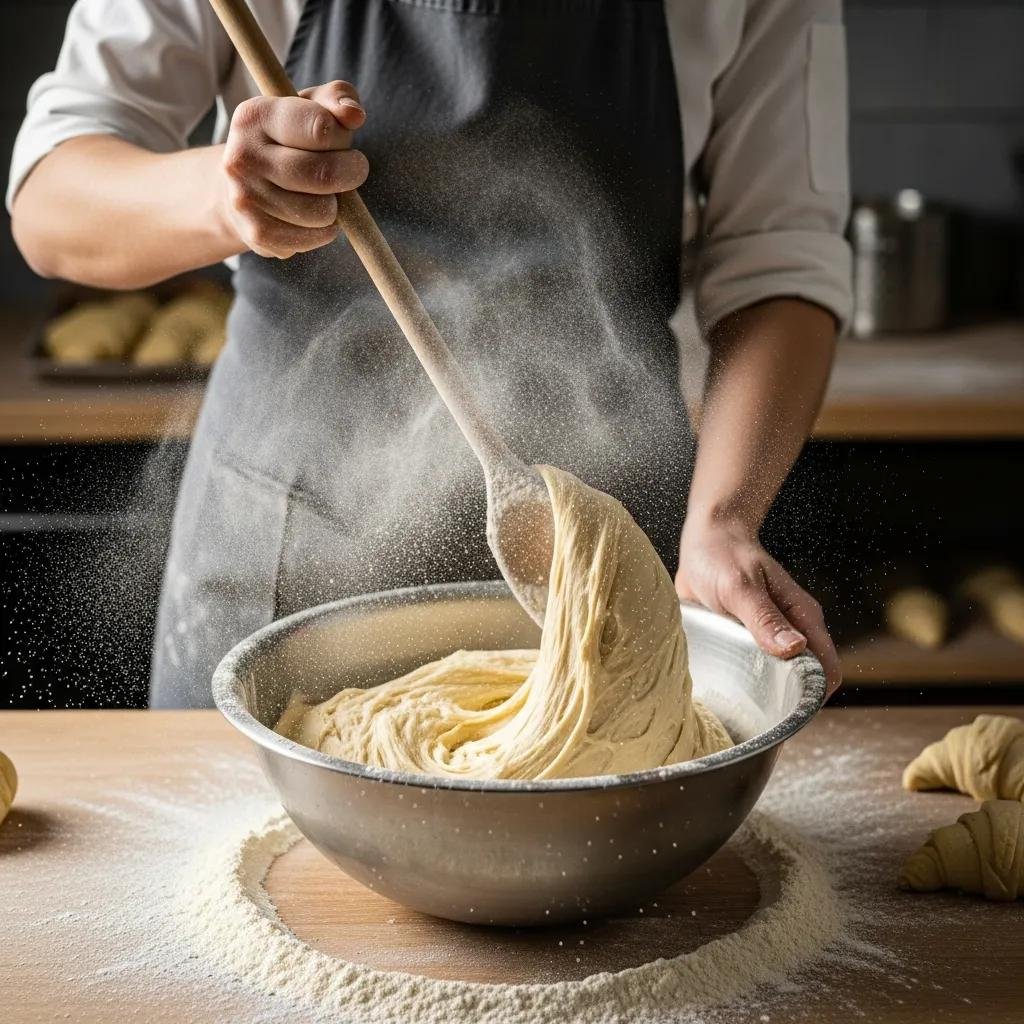
Classic croissants use flour, butter, water, sugar, salt and yeast. Repeated rolling and folding creates thin alternating layers; high-quality butter improves flavour and oven spring.
What Makes Pain au Chocolat Unique? Chocolate Integration and Distinct Characteristics
Pain au chocolat (called “chocolatine” in parts of France) is a laminated pastry filled with chocolate. Its rectangular shape concentrates the filling and changes how layers bake around it.
How Does the Rectangular Shape Differentiate Pain au Chocolat from Croissants?
The rectangular form gives crisper edges and a softer, often molten centre, producing a different textural balance from the croissant.
What Role Does Quality Chocolate Play in Pain au Chocolat’s Flavor and Texture?
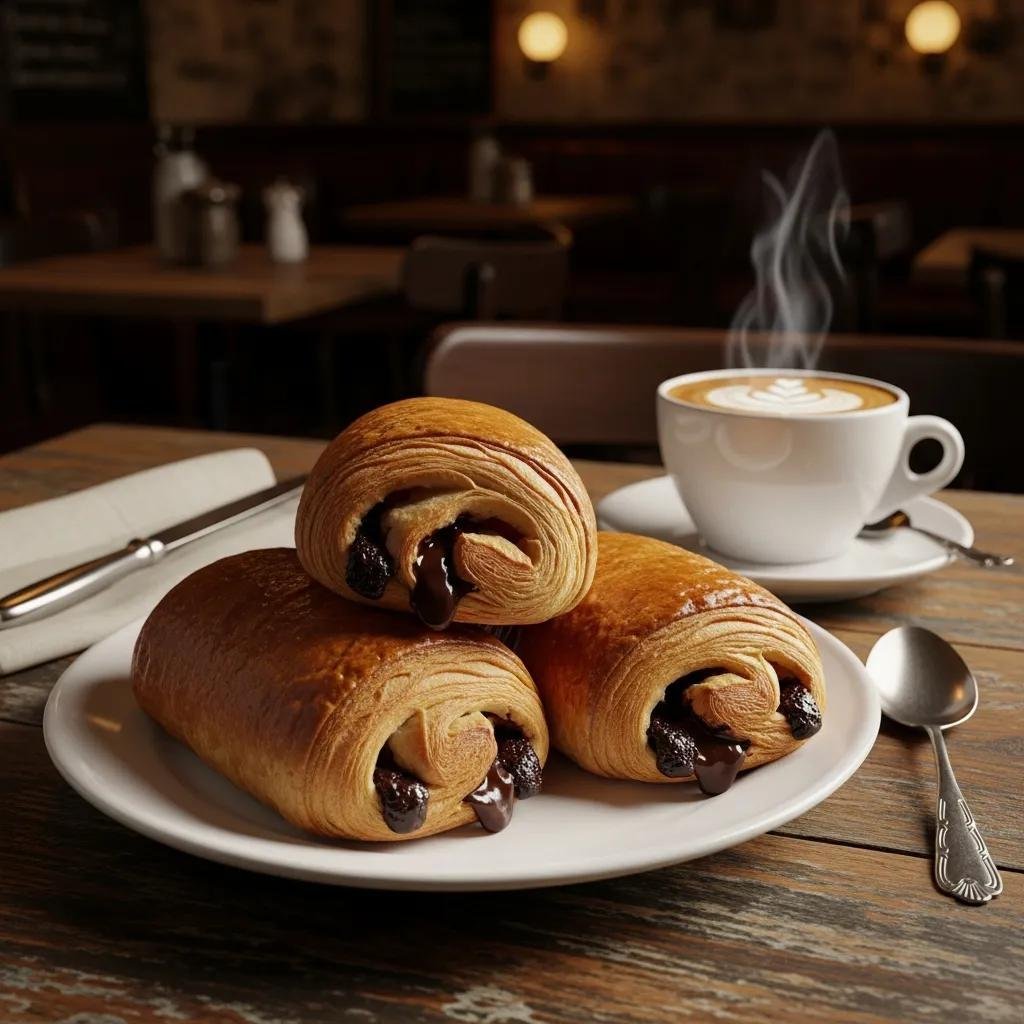
Good dark chocolate or batons melt cleanly, balance butteriness and deepen flavour, contrasting the flaky dough.
How Do Croissant and Pain au Chocolat Compare in French Viennoiserie Tradition?
Both are viennoiserie: enriched, laminated, yeast-leavened pastries commonly eaten with coffee or tea.
What Is Viennoiserie and How Do These Pastries Fit Within This French Category?
Viennoiserie includes enriched doughs and laminated products such as croissants, pain au chocolat, brioche and Danishes; high butter content and layered structure define the category.
What Are the Historical Origins and Cultural Significance of Croissant and Pain au Chocolat?
The croissant evolved from the Austrian kipferl and became established in France in the 19th–20th centuries; pain au chocolat appeared around the same time. Both are icons of French baking and artisan skill.
Scholarly work traces diffusion, local variations and debates over authenticity that inform modern practice.
Croissant Origins, Evolution, and Authenticity in Viennoiserie
This investigation draws on concepts that have shaped the discipline of folklore since its inception to exact a fresh encounter with a transnationally popular item of Viennoiserie: the crescent-shaped pastry known as the croissant. Their application to this ephemeral foodways item sheds light on the croissant’s roots, dissemination, and distinct permutations. I discuss the origins of the pastry in the light of historic-geographic methodologies; its diffusion and evolution with reference to scholarship on tradition bearers, oikotypification, intertextuality and the role of the individual in perpetuating a tradition; and matters of its commodification and authenticity through consideration of how tradition functions in the modern age.
The way of the Croissant: Traditional perspectives on a traditional pastry, R Hopkin, 2016
Why Is There a Croissant vs. Chocolatine Debate? Regional Names and Cultural Perspectives
The ‘pain au chocolat’ vs ‘chocolatine’ debate reflects regional vocabulary and culinary identity in France.
What Is the Origin of the Term 'Chocolatine' and How Does It Relate to Pain au Chocolat?
‘Chocolatine’ is most common in south-west France; ‘pain au chocolat’ predominates elsewhere. Its exact origin is unclear but likely links to regional dialects.
How Do Regional Differences Influence Naming and Perception of These Pastries?
Regional names shape local identity and add cultural colour to an everyday choice.
How Can You Experience Authentic French Croissants and Pain au Chocolat at De Ma Vie Bakery in Falls Church?
De Ma Vie Bakery in Falls Church uses Parisian techniques and quality ingredients to reproduce French viennoiserie locally.
What Is De Ma Vie Bakery’s Commitment to Traditional French Baking Methods?
The bakery sources quality ingredients and trains bakers in lamination and dough handling to reflect traditional methods.
How Does Visiting De Ma Vie Bakery Enhance Your French Pastry Experience Locally?
The shop’s atmosphere and fresh baking offer a local taste of French pastry culture—ideal for sampling a croissant or pain au chocolat.
What Are the Best Pairings and Serving Suggestions for Croissants and Pain au Chocolat?
Simple beverages accentuate these pastries. The classic pairings below highlight complementary flavours and textures.
- Coffee: The roast’s bitterness balances pastry sweetness and highlights buttery notes.
- Tea: Black or herbal teas refresh the palate against rich, flaky pastry.
- Hot Chocolate: For chocolate lovers, pairing pain au chocolat with hot chocolate intensifies the indulgence.
How Do Coffee Pairings Complement the Flavors of These French Viennoiseries?
Coffee’s roasted character offsets sweetness and lifts buttery notes, balancing the tasting experience.
What Is the Traditional French Breakfast Experience Featuring These Pastries?
A typical French breakfast pairs viennoiserie with coffee or hot chocolate, showcasing ingredients and technique.
| Pastry Type | Key Characteristics | Ideal Pairing |
|---|---|---|
| Croissant | Flaky, buttery, crescent-shaped | Coffee, tea |
| Pain au Chocolat | Rectangular or square, filled with chocolate | Hot chocolate, coffee |
This table summarises key characteristics and pairings.
Whether you prefer a croissant’s layered flakiness or a chocolate-centred pain au chocolat, both showcase pastry skill. Visit De Ma Vie Bakery to taste these favourites.
Frequently Asked Questions
What is the best way to enjoy a croissant or pain au chocolat?
Enjoy them fresh with a hot beverage. Coffee suits croissants; pain au chocolat pairs well with hot chocolate or coffee.
How do the preparation methods differ for croissants and pain au chocolat?
Both use laminated dough; croissants are shaped into crescents after lamination, while pain au chocolat is rolled with chocolate batons into a rectangle.
What are some common misconceptions about croissants and pain au chocolat?
They share dough but differ in shape, filling and texture. Butter quality affects flavour; they’re suitable for breakfast, snacks or desserts.
Are there any specific techniques for achieving the perfect flaky texture in croissants?
Precise lamination—cold, high-quality butter, even rolling and rests between folds—plus correct baking temperature yields flaky croissants.
What are the differences in serving styles for croissants and pain au chocolat?
Croissants are often plain or filled (sweet or savoury); pain au chocolat is usually served as is or paired as a dessert.
How do the cultural perceptions of croissants and pain au chocolat differ in France?
The croissant is a national breakfast staple; pain au chocolat is equally popular and, where called “chocolatine”, signals regional identity.
Conclusion
Understanding the distinctions enhances appreciation. Each pastry offers a distinct experience; visit De Ma Vie Bakery to savour authentic French viennoiserie.


