Explore the Macaron Adventure
The French macaron is a delicate, colorful confection with a crisp shell, tender interior, and concentrated flavor. This article traces its history and evolution, showing how an Italian almond cookie became central to French patisserie, highlights essential ingredients and techniques and key figures such as Catherine de Medici, and outlines modern trends. Finally, we explain how De Ma Vie Bakery in Falls Church, VA, combines authentic technique with contemporary flavors.
Where Did the Macaron Originally Come From? Exploring Its Italian Origins
The macaron traces back to Italy, where early almond-based cookies called “maccherone” or “maccarone” reflected Renaissance pastry traditions and migrated across borders to influence other cuisines.
What Is the Story Behind the Maccherone in Renaissance Italy?
In Renaissance Italy, “maccherone” described a ground-almond cookie made with sugar and egg whites, served at noble tables. Bakers experimented with nuts and meringue techniques that later shaped French versions.
How Did Almond-Based Cookies Influence Early Macaron Recipes?
Almond flour provided nutty flavor and delicate texture. Over time, bakers refined mixing, drying, and baking methods, moving from single cookies toward the sandwich shells familiar today.
How Did Catherine de Medici Introduce the Macaron to France?
Catherine de Medici, an Italian noblewoman who became Queen of France, helped bring Italian culinary practices to the French court. While direct proof she introduced the macaron is limited, her household imported chefs and techniques that influenced French pastry.
What Role Did Catherine de Medici Play in Bringing Italian Pastries to the French Court?
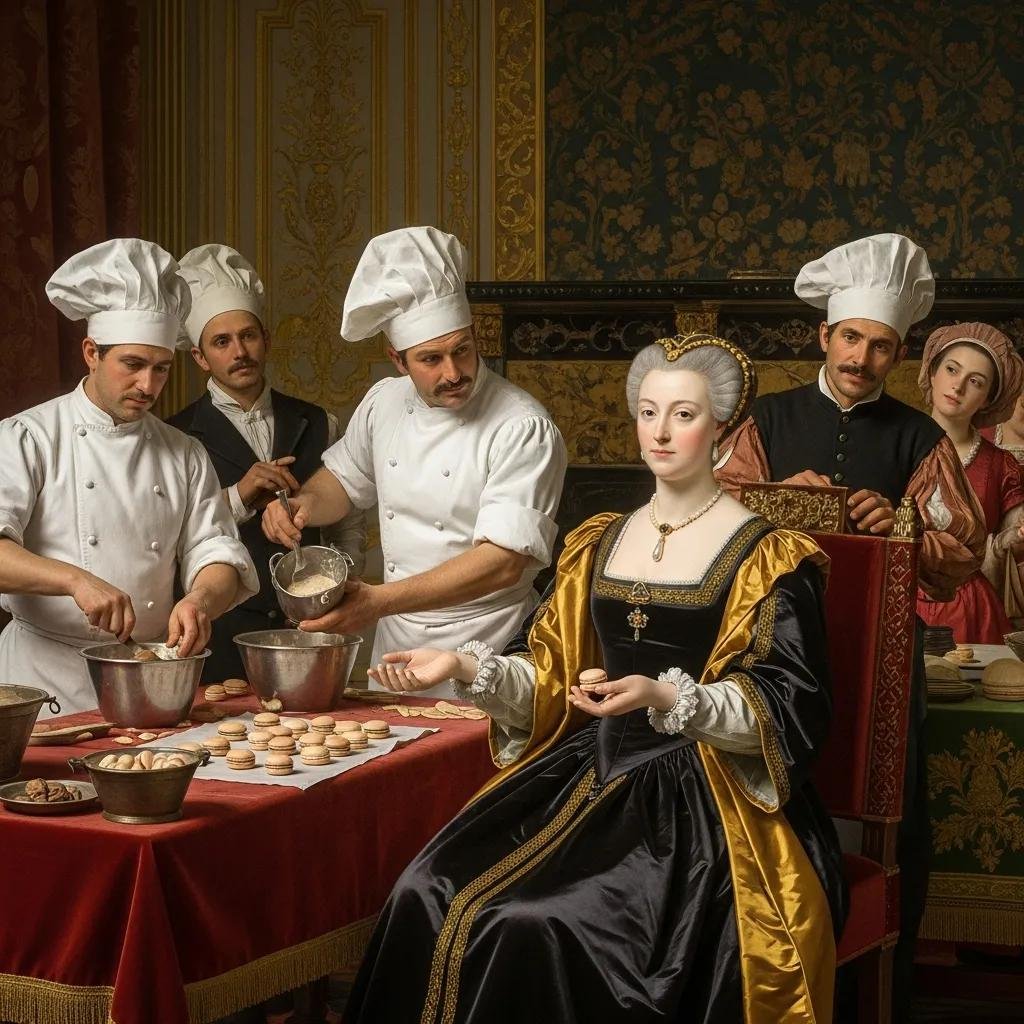
Her marriage brought Italian chefs and recipes that introduced meringue methods and almond pastries, opening French kitchens to techniques that later fed macaron development.
How Did Italian Chefs Influence French Baking Traditions?
Italian cooks contributed precise meringue preparation and layered flavoring. French bakers adapted these practices, enriching local pastry craft and enabling new confections.
What Was the Impact of the Macaron Sisters of Nancy During the French Revolution?
During the French Revolution, the Macaron Sisters of Nancy preserved simple almond meringue recipes, keeping regional traditions alive amid social upheaval.
How Did Regional Variations of Macarons Develop in France?
As the macaron spread, regions adapted recipes to local tastes and ingredients. Nancy’s version remained a single almond meringue cookie, while Paris later favored sandwich-style shells filled with ganache or creams.
What Are the Historical Milestones of Macaron Evolution in French Convents and Cafés?
Convents and cafés were pivotal: nuns and pastry cooks made and sold macarons, and specialized patisseries later elevated presentation and variety, cementing the macaron’s cultural role.
How Did Ladurée and Pierre Desfontaines Shape the Modern Parisian Macaron?
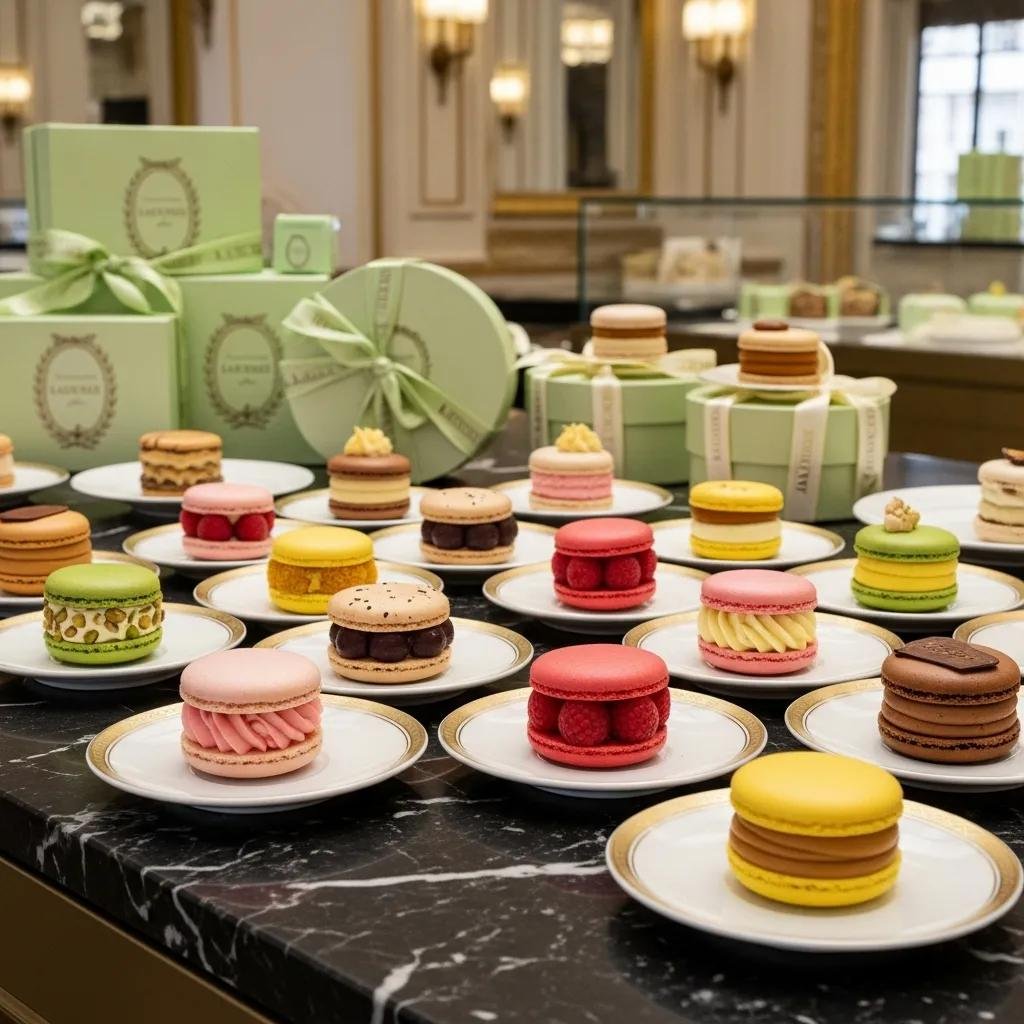
Innovators such as Ladurée and Pierre Desfontaines refined the macaron into the sandwich-style delicacy known today, pairing two almond meringue shells with flavored ganaches and fillings and emphasizing presentation.
What Innovations Did Pierre Desfontaines Introduce to Macaron Making?
Pierre Desfontaines is credited with pairing two shells and filling them with ganache, which balanced textures and expanded flavor possibilities.
How Did Ladurée Popularize the Sandwich-Style Macaron?
Ladurée popularized colorful presentation, refined packaging, and a broad palette of flavors, positioning the macaron as a luxury patisserie item and an iconic Parisian treat.
Why Are Macarons a Global Delight Today and How Does De Ma Vie Bakery Craft Them?
Macarons are prized worldwide for their precise balance of texture and flavor. Their adaptability and the technical skill required contribute to enduring global appeal.
What Are the Current Trends and Market Growth in the Macaron Industry?
Interest in artisanal desserts has grown. Trends include seasonal collections, experimental flavors, and clear gluten-free options to meet varied dietary needs while keeping the macaron’s classic profile.
How Does De Ma Vie Bakery Maintain Authenticity in French Macaron Craftsmanship?
At De Ma Vie Bakery in Falls Church, VA, bakers use traditional French techniques and high-quality ingredients to achieve consistent shell structure and balanced fillings, offering locals an authentic taste of Parisian craft.
What Is the Difference Between a Macaron and a Macaroon? Clarifying Common Confusions
Though similar in name, macarons and macaroons are distinct. Clear definitions help avoid confusion when ordering or discussing pastries.
How Do Ingredients and Texture Distinguish Macarons from Macaroons?
Macarons use almond flour, egg whites, and sugar to form light shells with a tender interior. Macaroons typically use shredded coconut with egg whites and sugar, creating a denser, chewier cookie.
Why Is Understanding This Difference Important for Macaron Enthusiasts?
Knowing the difference highlights the technical skill behind macarons and helps you choose the pastry you want when ordering or baking.
Frequently Asked Questions
What is the ideal temperature for baking macarons?
The ideal baking temperature is typically 300°F to 325°F (150°C to 160°C). This range helps shells develop a firm exterior while keeping the interior soft and chewy. Preheat fully and use an oven thermometer, since ovens vary. The right temperature also helps develop the foot and prevents cracking.
How long does it take to make macarons from start to finish?
Expect about 2 to 4 hours, depending on experience and recipe complexity. That includes preparing batter, piping shells, resting to form a skin, and baking. Making fillings or maturing macarons adds time; patience improves results.
Are there any special techniques for achieving the perfect macaron shell?
Yes. Age egg whites at least 24 hours to stabilize them. Sift almond flour and powdered sugar to remove lumps and ensure a smooth batter. During macaronage—folding dry ingredients into whipped egg whites—fold gently but thoroughly to reach the correct consistency. Practice and attention to detail are essential.
What are some creative filling ideas for macarons?
Use fruit curds, flavored buttercreams, or ganaches infused with herbs or spices. Try matcha white chocolate, chai-spiced cream, or savory pairings such as goat cheese and fig. Seasonal ingredients inspire fresh combinations.
How can I troubleshoot macarons that don't rise properly?
If shells don’t rise, check egg whites (whipped to stiff peaks), almond flour grind, and macaronage—overmixing flattens shells. Verify oven temperature: too low can prevent rising; too high can cause cracking.
What is the significance of the "foot" in macarons?
The “foot” is the ruffled edge at the base of the shell formed during baking. It signals correct batter mixing and rise. A well-formed foot improves appearance and adds pleasing textural contrast.
Conclusion
The macaron’s history—from Italian roots to French evolution—illustrates a blend of tradition and innovation. Each bite reflects meticulous techniques that shaped this beloved pastry. For those eager to taste authentic French macarons, De Ma Vie Bakery offers selections crafted with care and creativity. Discover the flavors and textures that make macarons a global favorite.


