
Sourdough Bliss, Naturally Leavened
Artisan sourdough combines time‑honored technique with careful craft. This guide explains De Ma Vie Bakery’s naturally leavened sourdough—its flavor, texture, health benefits, varieties, and where to find it in Falls Church.
What Makes De Ma Vie's Artisan Sourdough Bread Unique?
De Ma Vie relies on wild yeast and lactic bacteria; slow, controlled fermentation produces complex flavor and a distinctive texture.
How Does Our Traditional Natural Leavening Process Work?
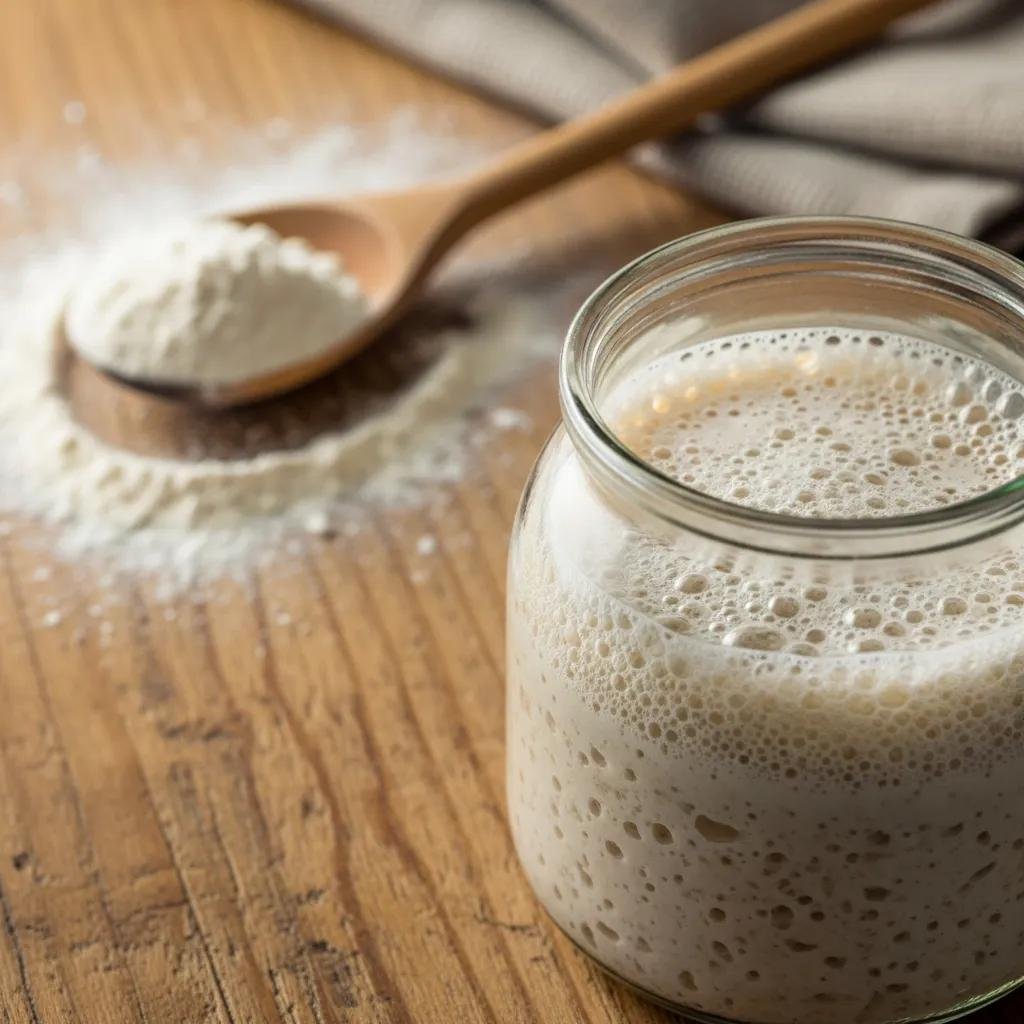
We cultivate a living starter of wild yeast and lactic acid bacteria. The yeast produces carbon dioxide to leaven the dough and create an airy crumb, while the bacteria add tang; extended fermentation deepens flavor and often eases digestion.
What Is the Role of Our Sourdough Starter in Flavor and Texture?
Our starter is a carefully maintained culture whose mixed microbes produce sourness, chew, and complex aromas that commercial yeast can’t replicate.
What Are the Health Benefits of Naturally Leavened Sourdough Bread?
Natural leavening improves both flavor and the bread’s nutritional profile.
Studies show sourdough fermentation enhances nutritional and sensory qualities.
Sourdough Fermentation: Enhancing Nutritional & Sensory Qualities
The use of sourdough fermentation has largely been used as a tool to overcome these drawbacks, giving excellent enhancement of the nutritional, functional, sensory, and
Minor and ancient cereals: Exploitation of the nutritional potential through the use of selected starters and sourdough fermentation, E Pontonio, 2019
How Does Sourdough Improve Digestion and Gut Health?
Fermentation produces prebiotics and helps break down gluten and phytic acid, which increases nutrient availability, often eases digestion, and can support microbiome diversity.
Sourdough may reduce gluten more effectively than standard yeast fermentation.
Sourdough’s Efficiency in Gluten Reduction
Sourdough fermentation was more efficient than yeast fermentation to reduce the gluten content of the Triticum
Prolonged fermentation of whole wheat sourdough reduces phytate level and increases soluble magnesium, 2001
Can Sourdough Help with Blood Sugar Management?
Sourdough typically has a lower glycemic index than white bread, so it slows blood‑sugar rises. Fermentation alters carbohydrates in ways that can help blood‑sugar control.
Which French Sourdough Bread Types and Flavors Does De Ma Vie Offer?
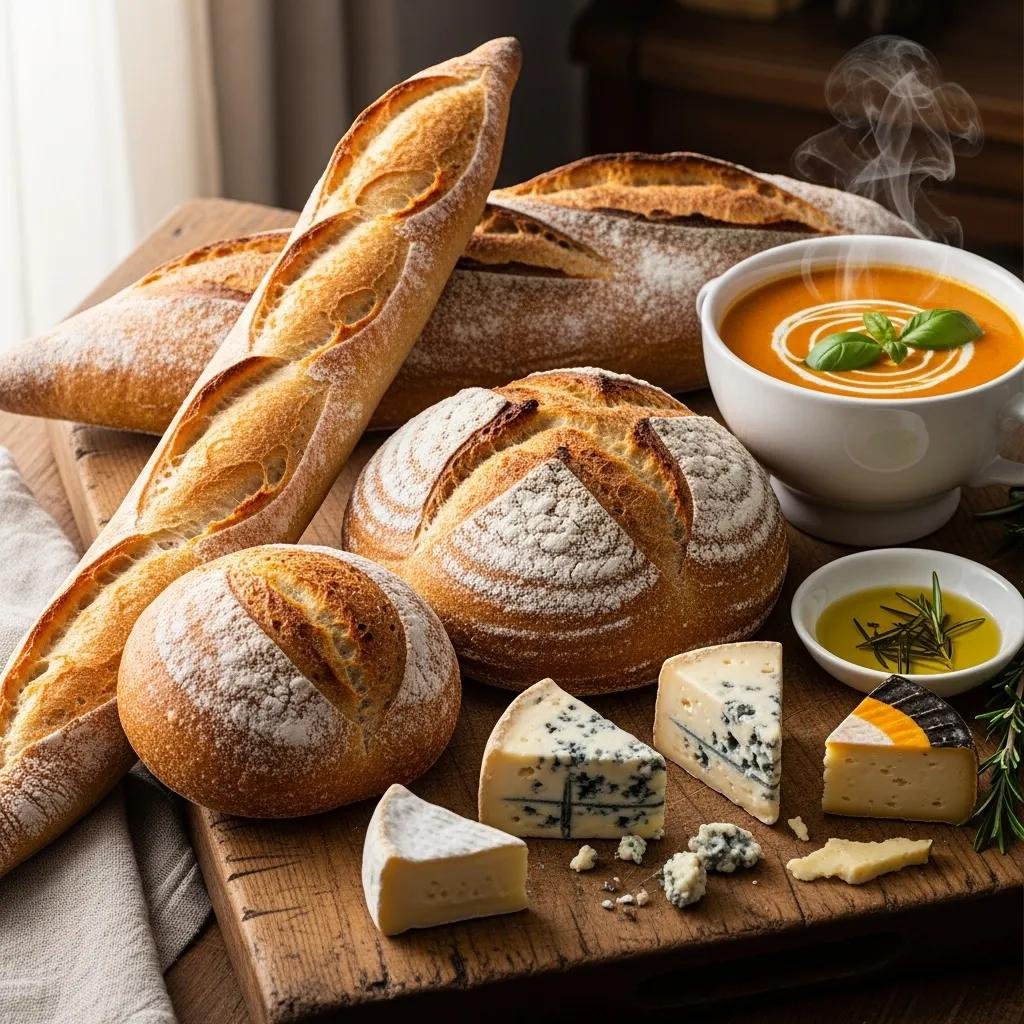
De Ma Vie offers several French sourdoughs, each with distinct textures and flavors.
What Are the Characteristics of Our Classic Baguette and Pain de Campagne?
The baguette has a crisp crust and an airy interior. Pain de Campagne is denser and more robust, often made with blends of white, whole‑wheat, and rye for added texture and nutrition.
How Can You Pair Our French Sourdough with Cheeses and Soups?
Pair a baguette with creamy cheeses or goat cheese and honey. Enjoy Pain de Campagne with rustic or vegetable soups for a satisfying plate.
Where Can You Experience Authentic French Artisan Sourdough in Falls Church?
Visit De Ma Vie Bakery to watch artisan sourdough made with care in a warm, community‑focused shop.
What Is the Atmosphere and Location of De Ma Vie Bakery?
Located at 7787 Leesburg Pike, Falls Church, VA, the bakery offers cozy seating and a community‑centered design—ideal for sharing bread and pastries.
How Can You Order Our Artisan Sourdough Bread Online or In-Store?
Order online or in‑store. Visiting lets you sample the full range, while online ordering brings De Ma Vie to your home.
Why Choose Naturally Leavened Artisan Sourdough Over Regular Bread?
Naturally leavened sourdough offers superior flavor and potential health advantages compared with regular bread.
What Are the Differences Between Artisan Sourdough and Commercial Bread?
Artisan sourdough uses quality flours and natural fermentation; commercial breads often rely on additives and faster processes.
How Does Long Fermentation Enhance Flavor and Nutritional Value?
Extended fermentation develops flavor and improves nutrition. Enzymes break down gluten and phytates, releasing nutrients and easing digestion while creating the characteristic sour note.
Research supports sourdough’s positive effects on bread quality.
Sourdough’s Marked Effect on Bread’s Nutritional & Technological Traits
Particularly, the use of sourdough levelled the differences due to flour, leading to breads with similar technological and nutritional characteristics. The findings highlighted a marked effect of the leavening agent on bread final characteristics.
Influence of different leavening agents on technological and nutritional characteristics of whole grain breads obtained from ancient and modern flour varieties, M Venturi, 2021
How Is De Ma Vie Leading the Sourdough Supertrend in 2026?
De Ma Vie balances innovation with tradition as demand for artisan sourdough grows.
What Innovations Are We Bringing to Artisan Sourdough Products?
We experiment with new grains and fermentation techniques to create distinctive loaves while upholding artisan standards.
How Does Our French Heritage Influence Our Baking Craftsmanship?
French methods guide our approach: traditional techniques, refined for modern tastes, yield breads rooted in heritage and craftsmanship.
| Bread Type | Characteristics | Best Pairings |
|---|---|---|
| Baguette | Crispy crust, soft interior | Creamy cheeses, charcuterie |
| Pain de Campagne | Dense, robust flavor | Rustic soups, hearty stews |
| Multigrain Sourdough | Nutty flavor, chewy texture | Salads, spreads |
De Ma Vie’s focus on quality and tradition makes each naturally leavened loaf memorable, delivering flavor and health benefits through careful fermentation.
Frequently Asked Questions
What types of flour are best for making sourdough bread?
The choice of flour shapes the final loaf. Whole grain flours, such as whole wheat or rye, add nutrients and give a denser texture; white flour produces a lighter, airier crumb. Many bakers blend flours to balance flavor, nutrition, and texture—try different combinations to find your preferred taste and mouthfeel.
How long does it take to make sourdough bread from start to finish?
Making sourdough can take 12 to 48 hours, depending on the recipe and fermentation times. That includes starter preparation, bulk fermentation, shaping, and final proof. Hands‑on time is relatively short; long fermentation is essential for developing flavor and texture, so patience yields the best results.
Can I use my sourdough starter for other baked goods?
Yes. Use your sourdough starter in pancakes, waffles, muffins, and pizza dough to add distinctive flavor and texture; adjust liquid and flour ratios to account for the starter’s hydration so results match expected consistency.
What is the ideal hydration level for sourdough bread?
Ideal hydration typically ranges from 65% to 80%, depending on the desired texture and crumb. Higher hydration produces a more open crumb and chewier texture, while lower hydration yields a denser loaf. Hydration also affects handling, so find a balance that suits your flour and technique.
How can I tell when my sourdough bread is fully baked?
Look for a deep golden‑brown crust and a hollow sound when you tap the bottom of the loaf. A thermometer gives a precise check: the internal temperature should reach about 200°F to 210°F (93°C to 99°C). These signs indicate the bread is cooked through and has developed proper texture and flavor.
What are some creative ways to use leftover sourdough bread?
Leftover sourdough is versatile: make croutons for salads, bread pudding, or French toast; blend it into breadcrumbs for coatings or toppings; or use it in savory bread salads or panzanella to enjoy its flavor even after the initial freshness fades.
Conclusion
Choosing De Ma Vie’s naturally leavened artisan sourdough enhances your meals and can improve digestibility through careful fermentation. This traditional method produces flavors and textures that outshine commercial breads. Visit our Falls Church bakery or order online to taste the difference quality and craftsmanship make in your daily bread.


