
Discover French Butter's Benefits
French butter is prized for its rich flavor and consistent quality in both professional and home baking. This article explains what makes it distinctive—higher butterfat and cultured varieties—how those traits improve texture and taste, how it differs from American butter, why French bakers favor it, and how De Ma Vie Bakery uses it to elevate pastries.
Why Is French Butter Superior for Baking?
Bakers choose French butter for its higher butterfat and traditional churn methods; those traits intensify flavor and give more reliable texture in delicate and laminated pastries.
How Does High Butterfat Content Enhance Pastry Texture?
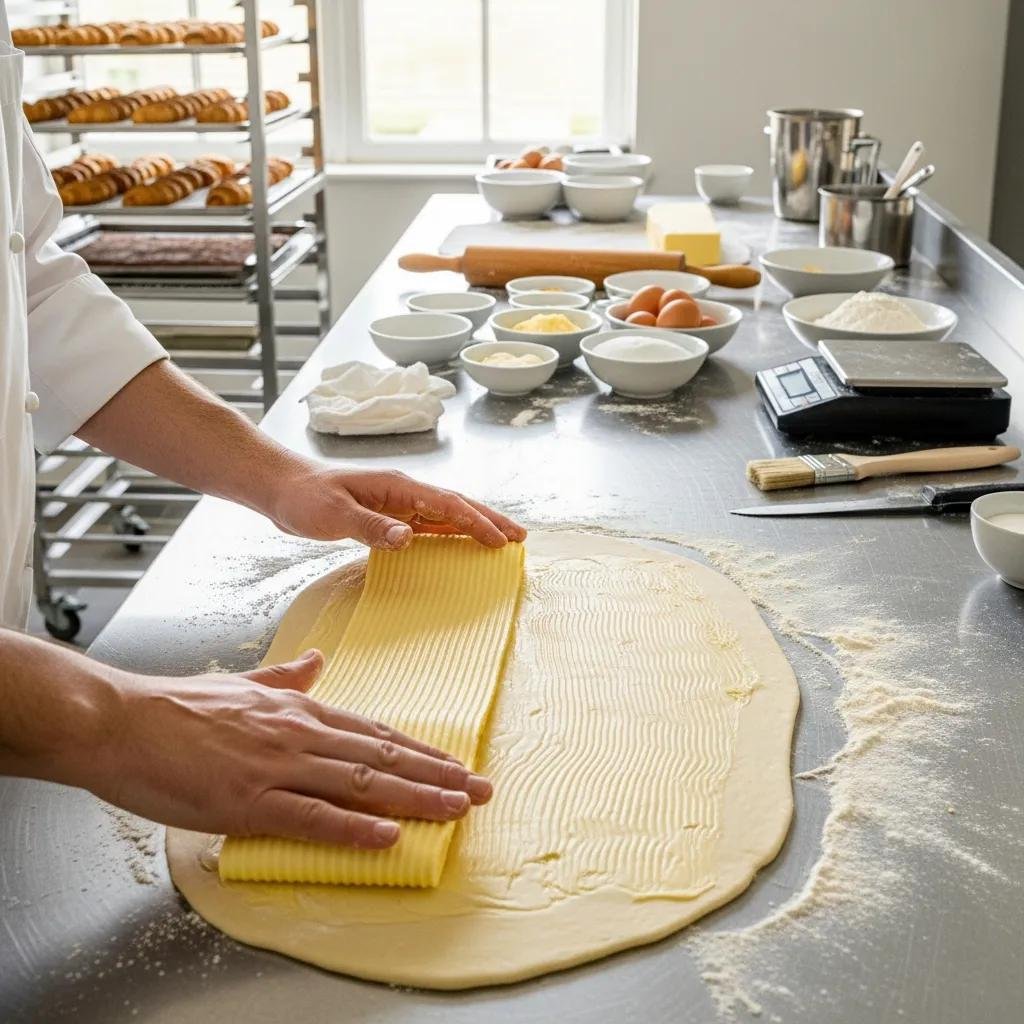
French butter typically contains 82%–84% butterfat, producing flakier layers and a tender crumb. The extra fat coats flour, limits gluten development, and yields a light, melt‑in‑the‑mouth texture, particularly in croissants.
What Role Does Cultured Butter Play in Flavor Development?
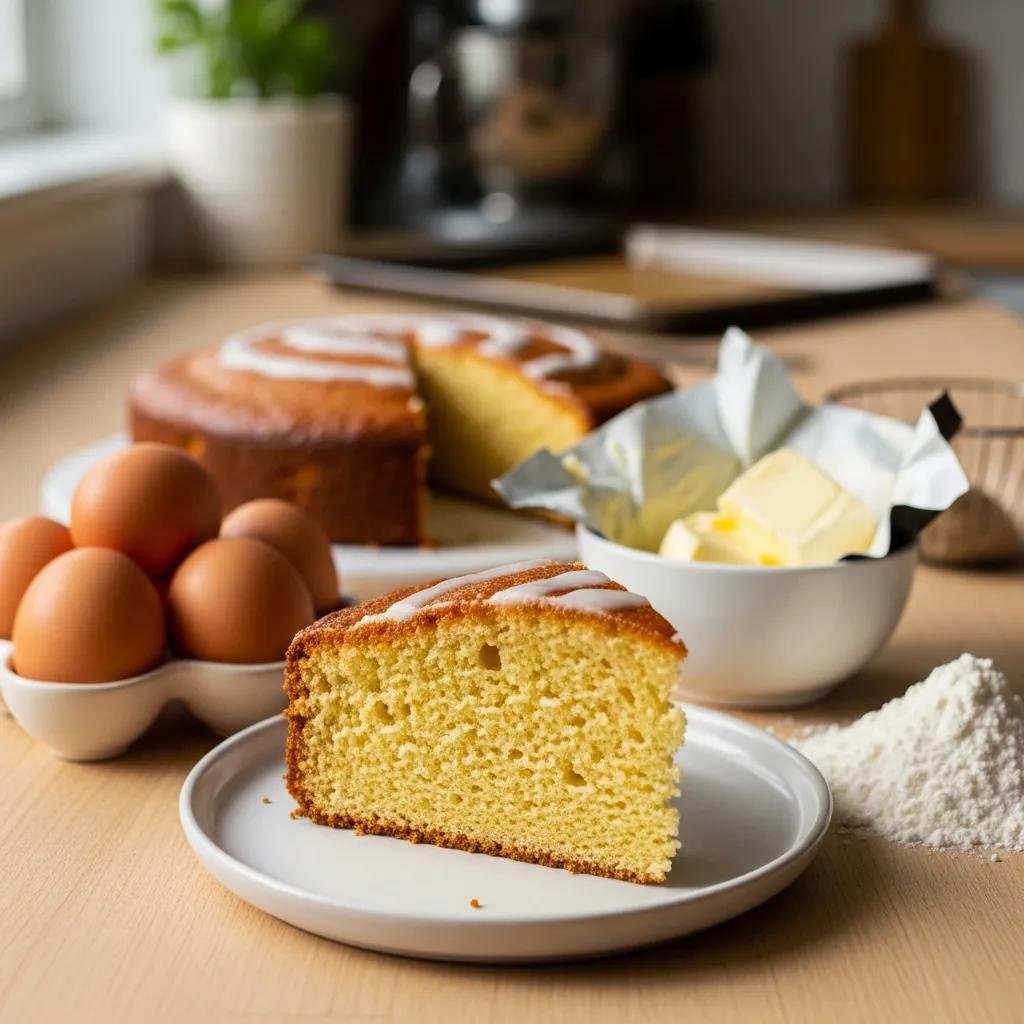
Cultured butter is fermented, which creates tangy, complex notes that deepen flavor in cookies, cakes, and butter‑forward pastries. That layered flavor is why chefs often choose cultured French butter for recipes where butter taste shines.
How Does French Butter Differ from American Butter in Baking?
French and American butter differ in composition and production, and those differences affect baking results. Knowing the distinctions helps you pick the best butter for each recipe.
What Are the Key Differences in Butterfat and Water Content?
French butter typically has about 82%–84% butterfat and roughly 16% water; American butter is often near 80% fat with 16%–18% water. The higher fat in French butter contributes to a richer taste and a more stable pastry structure.
How Do Culturing and Production Methods Affect Baking Results?
French butter is frequently made from fermented cream, which enhances flavor and mouthfeel. American butter, made from sweet cream, tastes milder and produces different results in butter‑forward recipes.
Why Do French Bakers Prefer French Butter for Croissants and Laminated Doughs?
French bakers favor it for laminated doughs because its fat content and handling properties withstand repeated folding and deliver consistent bake performance.
How Does French Butter Create Flakiness and Rise in Pastries?
The combination of higher fat and moderate water creates steam pockets during baking. As butter melts and moisture vaporizes, the dough separates into crisp, flaky layers and gains lift.
What Is the Impact of French Butter on Flavor and Mouthfeel?
French butter’s richer flavor and smoother mouthfeel make pastries taste more luxurious. The fat carries and amplifies flavor, adding satisfying richness that complements sweet and savory fillings.
How Does De Ma Vie Bakery Use French Butter to Elevate Its Pastries?
At De Ma Vie Bakery, French butter is a key ingredient. We prioritize premium components so our pastries deliver consistent flavor and texture.
What Is the Sourcing Philosophy Behind Our Small-Batch French Butter?
We source from reputable suppliers that use traditional methods. Small‑batch butter preserves quality and ingredient integrity, so every pastry benefits from the best available butter.
How Does Pastry Chef Marie Leclerc’s Expertise Influence Ingredient Choice?
Pastry Chef Marie Leclerc’s training in French techniques guides our selections. Her experience ensures we choose the right butter for each recipe, allowing each item to showcase the butter’s qualities.
What Are the Benefits of Using French Butter in Baking?
French butter delivers clear benefits: richer flavor, improved texture, and greater consistency in finished goods.
How Does Butterfat Content Affect Baking Performance?
Higher butterfat improves emulsification and produces smoother batters and a more uniform crumb—important for cakes and delicate pastries where texture matters.
What Flavor Profiles Does Cultured French Butter Impart?
Cultured French butter adds layered, tangy notes that enhance sweet and savory recipes, making everyday bakes taste more refined.
Where Can You Experience the Difference of French Butter in Baking?
You notice French butter’s advantages most clearly in freshly baked goods, where texture and flavor stand out.
What Signature Pastries at De Ma Vie Showcase French Butter’s Qualities?
Our buttery croissants and éclairs showcase French butter’s strengths: flakiness, lift, and a rich, buttery flavor at each bite.
How Can Customers Taste and Appreciate Authentic French Butter Pastries?
Visit De Ma Vie Bakery to sample our French butter pastries. We invite you to savor the flaky textures and deep flavors that high‑quality butter brings to classic French baking.
Frequently Asked Questions
What is the difference between cultured and sweet cream French butter?
Cultured French butter is made from fermented cream and has a tangy, complex flavor that enhances baked goods. Sweet‑cream butter is made from fresh cream and tastes milder. Choose cultured butter when you want more flavor complexity; use sweet‑cream for a subtler profile.
How can I tell if French butter is of high quality?
High‑quality French butter shows a rich, creamy texture and a deep yellow color that reflects higher butterfat. It should smell fresh and pleasant. Check labels for fat content (82% or higher) and indicators of traditional production, such as “beurre de baratte.”
Can I use French butter for savory dishes?
Yes. French butter’s rich flavor and smooth mouthfeel work well in savory dishes. Use it to enrich sauces, sautéed vegetables, or compound butters. Its taste elevates the overall flavor profile in both sweet and savory cooking.
What is the best way to incorporate French butter into my baking?
Use French butter at the correct temperature: softened (not melted) for creaming with sugar, and cold for flaky doughs. Cut it into small pieces for even distribution. For laminated pastries, handle the butter gently to preserve its structure and create distinct flaky layers.
Are there any specific recipes that highlight the use of French butter?
Classic French pastries—croissants, éclairs, and puff pastry—best showcase French butter. Butter‑forward recipes like buttery cookies and rich cakes also benefit, with improved flavor and texture that make the final product more luxurious.
How does the region of origin affect the flavor of French butter?
A butter’s region of origin influences flavor through cows’ diets and local production methods. For example, Normandy butter is known for its distinct taste thanks to the region’s rich pastures. Regions can also impart differences in salt level or creaminess, shaping the overall profile.
Conclusion
French butter elevates flavor and texture through higher butterfat and culturing, yielding a more refined baking result. Choosing premium French butter helps achieve the right balance of flakiness and moisture in pastries. Discover the exceptional quality and taste at De Ma Vie Bakery, where our pastries showcase this ingredient’s full potential. Indulge in our creations and experience the difference authentic French butter makes.


