
Master the Perfect Baguette
The French baguette is more than a loaf; it’s a cultural symbol of craft. This article explains how to make an authentic baguette—covering its history, core ingredients, and the artisan techniques used at De Ma Vie Bakery—so you can improve its flavor and texture at home.
What Is the History and Cultural Significance of the French Baguette?
The baguette’s history mirrors shifts in French society and baking.
How Did the French Baguette Originate and Evolve?
The modern baguette took shape in the early 20th century from round loaves. The 19th-century arrival of steam ovens enabled a crisp crust and soft interior; later refinements in ingredients and technique standardized its long, slender form.
Why Is the French Baguette a UNESCO Intangible Cultural Heritage?
UNESCO added the baguette to its Intangible Cultural Heritage list in 2022, recognizing its central role in daily life and the generational craft of baking.
French Baguette: Symbol of Culture & Baking Rules
In France, bread, particularly the baguette, has been the symbol of French tradition, culture and cuisine and there are strict rules and specifications governing the baking of baguettes.
it’s official–the bakery chain makes a classic French food item better than the French., JK Han
What Are the Traditional Ingredients of an Authentic French Baguette?
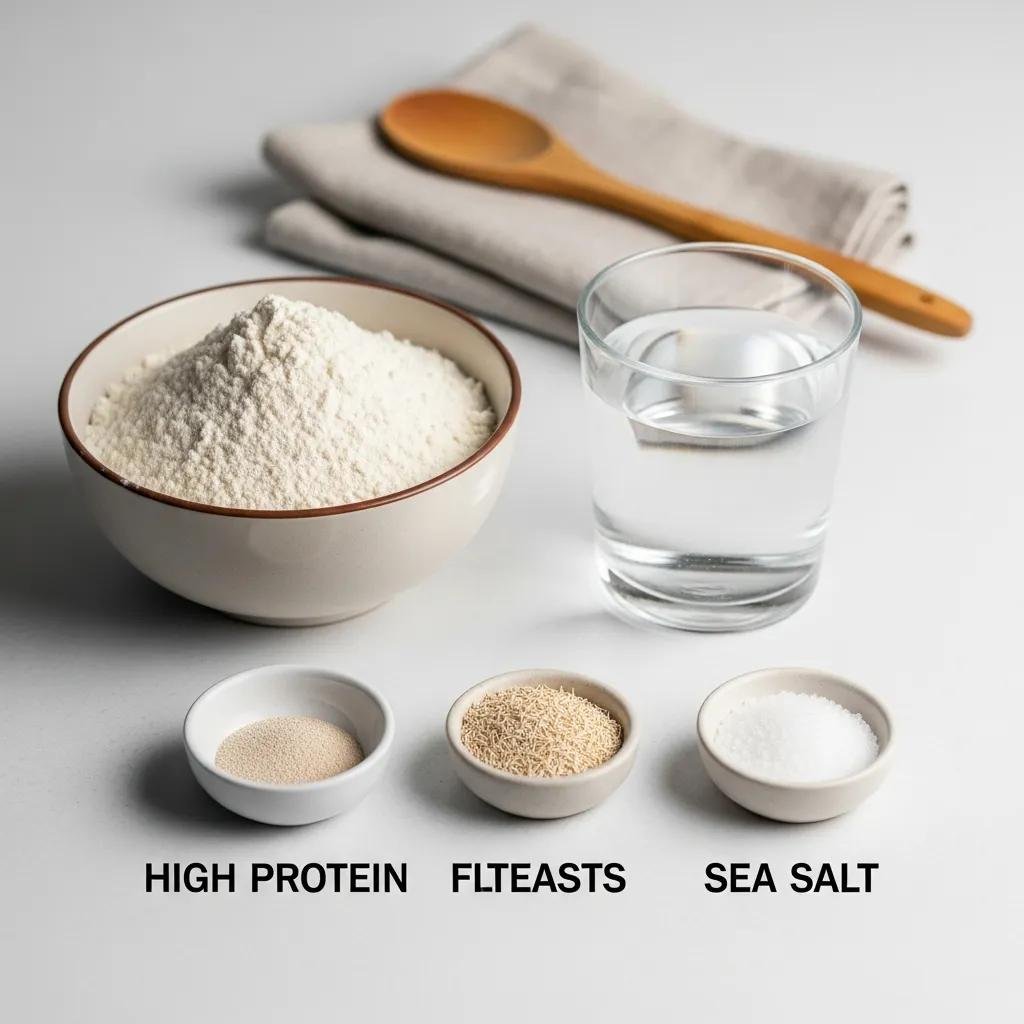
A perfect baguette begins with simple, high-quality ingredients and careful handling.
Which Four Core Ingredients Define a Classic French Baguette?
A classic baguette uses flour, water, yeast, and salt. Flour provides structure, water supplies hydration, yeast drives fermentation, and salt adds flavor while regulating that fermentation.
How Does Ingredient Quality Affect Baguette Flavor and Texture?
Ingredient quality shapes final flavor and texture: stronger flour increases chew and structure, clean water stabilizes fermentation, fresh yeast improves rise and aroma, and the right salt level balances taste and fermentation.
| Ingredient | Quality | Impact |
|---|---|---|
| Flour | High-protein | Chewy texture and good structure |
| Water | Filtered | Consistent hydration and fermentation |
| Yeast | Fresh | Reliable rise and flavor development |
| Salt | Sea salt | Enhances flavor and controls fermentation |
Each ingredient’s quality influences the final loaf.
How Does De Ma Vie Bakery Craft Artisan French Baguettes?
De Ma Vie Bakery pairs traditional methods with strict ingredient standards to craft artisan baguettes.
What Is the Role of Fermentation and Dough Shaping in Our Process?
Fermentation is essential. We use slow, cool fermentation to develop complex flavors and an open, resilient crumb. Gentle shaping preserves air pockets for a light interior. Controlling proof time and temperature produces the aromas and texture of an artisanal baguette.
Fermentation’s Impact on Baguette Flavor & Texture
The study aimed to evaluate the impact of long and short fermentation on the sensory and nutritional properties of French sourdough and yeast bread. The long fermentation was performed at low temperatures, and is close to “artisanal processes”, while the short fermentation was performed at higher temperatures, and is associated with “intensive processes” used in industries. In sourdough bread, long fermentation promoted the Maillard reaction and aromas from the metabolism of lactic acid bacteria, and had a positive effect on the sensory perception of the crust and crumb.
Effect of fermentation conditions of bread dough on the sensory and nutritional properties of French bread, S Regnault, 2023
How Do We Achieve the Perfect Crust Using Steam Baking Techniques?
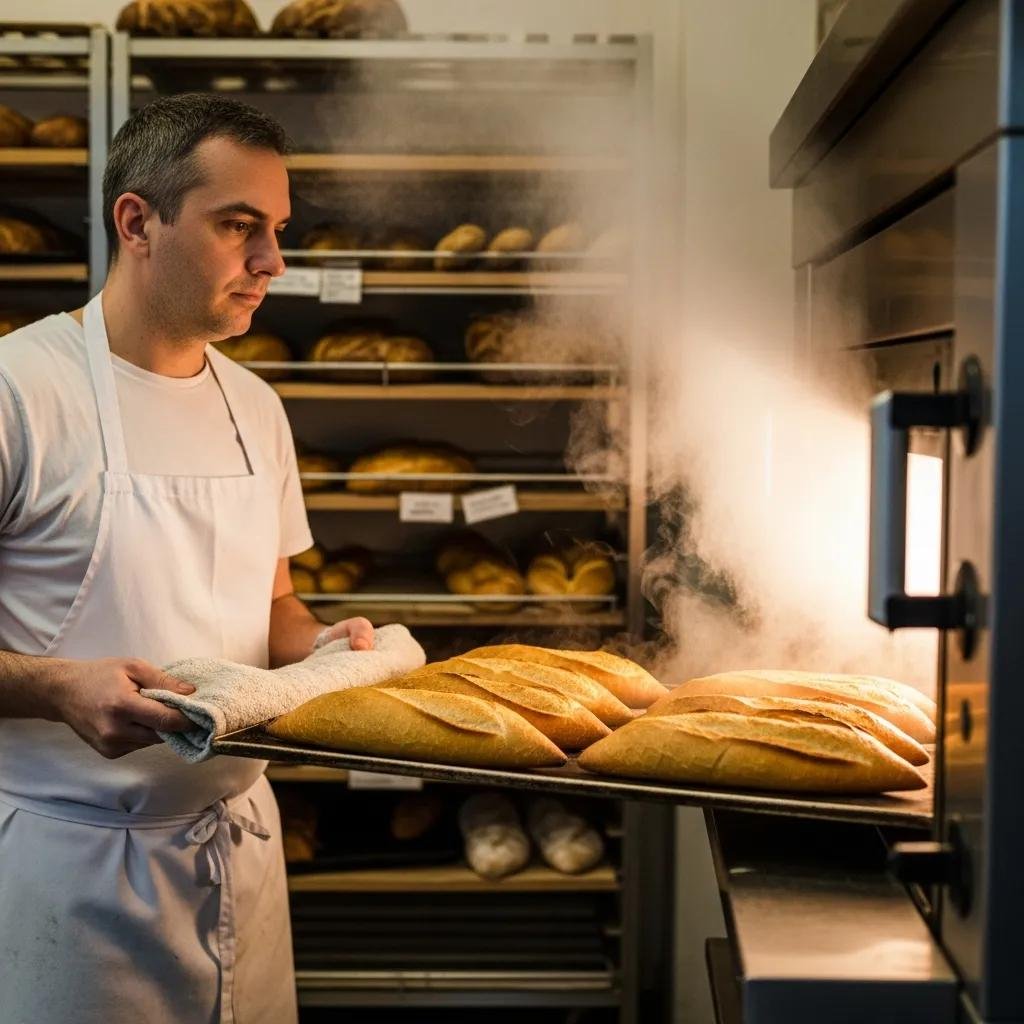
We introduce steam early in the bake to maintain oven humidity, which lets the crust expand and brown evenly. The result is a crisp exterior and a tender interior.
What Characteristics Make a Perfect French Baguette?
A perfect baguette has a crisp crust, an open airy crumb, and a balanced, fermented flavor.
How Is the Crust Described and Why Is It Important?
A crisp, golden-brown crust provides a satisfying crunch and helps lock in moisture, keeping the loaf fresher longer.
What Defines the Ideal Crumb Structure and Flavor Profile?
The ideal crumb is open, with irregular holes formed by correct fermentation and shaping. Flavor should be mildly nutty with a subtle fermented sweetness.
How Can You Enjoy and Serve the French Baguette?
Serve a baguette with pairings that complement its texture and flavor.
What Are the Best Pairings and Serving Suggestions?
Pair with cheeses, cured meats, or fresh vegetables. Classic choices include brie or goat cheese with a glass of red wine. Baguettes also make excellent sandwiches and pair well with soups or salads.
How Should You Store and Preserve Freshness?
Store a baguette in a paper bag at room temperature to preserve the crust. For longer storage, freeze and thaw before toasting or reheating; avoid plastic wrapping.
Where and How Can You Experience De Ma Vie’s Authentic French Baguettes in Falls Church, VA?
De Ma Vie Bakery offers an authentic French bakery experience in Falls Church, baking traditional baguettes on-site.
What Are Our Bakery Hours, Location, and Atmosphere?
Located at 7787 Leesburg Pike, Falls Church, VA 22043, De Ma Vie Bakery offers a warm, inviting spot to enjoy a fresh baguette with coffee or tea.
How Can You Order Our Baguettes for Delivery or Pickup?
Order online for pickup or delivery, or visit the bakery to choose baked goods and learn about our baking approach.
Frequently Asked Questions
What is the ideal temperature for baking a French baguette?
Bake a French baguette at 450°F to 475°F (232°C to 246°C). This high heat is key to achieving a crisp crust while keeping the interior soft and airy. Preheat thoroughly and use a baking stone or steel to improve heat retention and promote a better rise and crust.
How can I tell when my baguette is done baking?
Your baguette is done when the crust is deep golden-brown and the loaf sounds hollow when tapped on the bottom. The internal temperature should be about 200°F (93°C). A firm, crisp crust indicates moisture has evaporated and the texture is correct.
Can I add flavors or ingredients to my baguette dough?
Yes—you can add herbs, cheese, or olives. Keep additions moderate so the core ingredient balance remains and fermentation isn’t disrupted; too many inclusions can affect rise and texture.
What is the difference between a baguette and a baguette tradition?
A baguette tradition follows stricter rules: it must be made only with flour, water, yeast, and salt, without additives. It’s typically fermented longer, producing more complex flavor and texture than a standard baguette, which may allow shortcuts.
How can I improve my baguette-making skills?
Improve through practice and attention to detail. Focus on fermentation techniques, dough handling, and shaping. Experiment with flour types and hydration levels, and learn from classes or experienced bakers to refine your technique.
What tools do I need to bake a French baguette at home?
Essential tools include a mixing bowl, a bench scraper for handling dough, a baking stone or steel for even heat, a sharp razor or lame for scoring, and a steam tray or spray bottle to create oven steam. A kitchen scale ensures precise measurements.
Conclusion
Mastering the French baguette links you to a time-honored baking tradition. With high-quality ingredients and proven techniques, you can make authentic loaves that elevate any meal. Taste our artisan baguettes at De Ma Vie Bakery or order online for fresh delivery. Discover the pleasure of baking and savoring a true French classic.


