Essential French Pastry Terms Explained: Your Guide to Classic Pastries and Baking Vocabulary
French pastry is a delightful world filled with intricate techniques and rich flavors. Understanding essential French pastry terms not only enhances your appreciation for these culinary masterpieces but also equips you with the vocabulary needed to navigate bakeries and menus confidently. This guide will explore iconic French pastries, key baking components, and the distinctions between different types of bakeries. By the end, you’ll be well-versed in the language of French pastry, making your next visit to a bakery an even more enjoyable experience.
In this article, we will cover the most iconic French pastries, the key components that shape their flavors and textures, the differences between boulangeries and pâtisseries, the benefits of learning French pastry terms, and where to find authentic French pastries in Falls Church, VA.
What Are the Most Iconic French Pastries You Should Know?
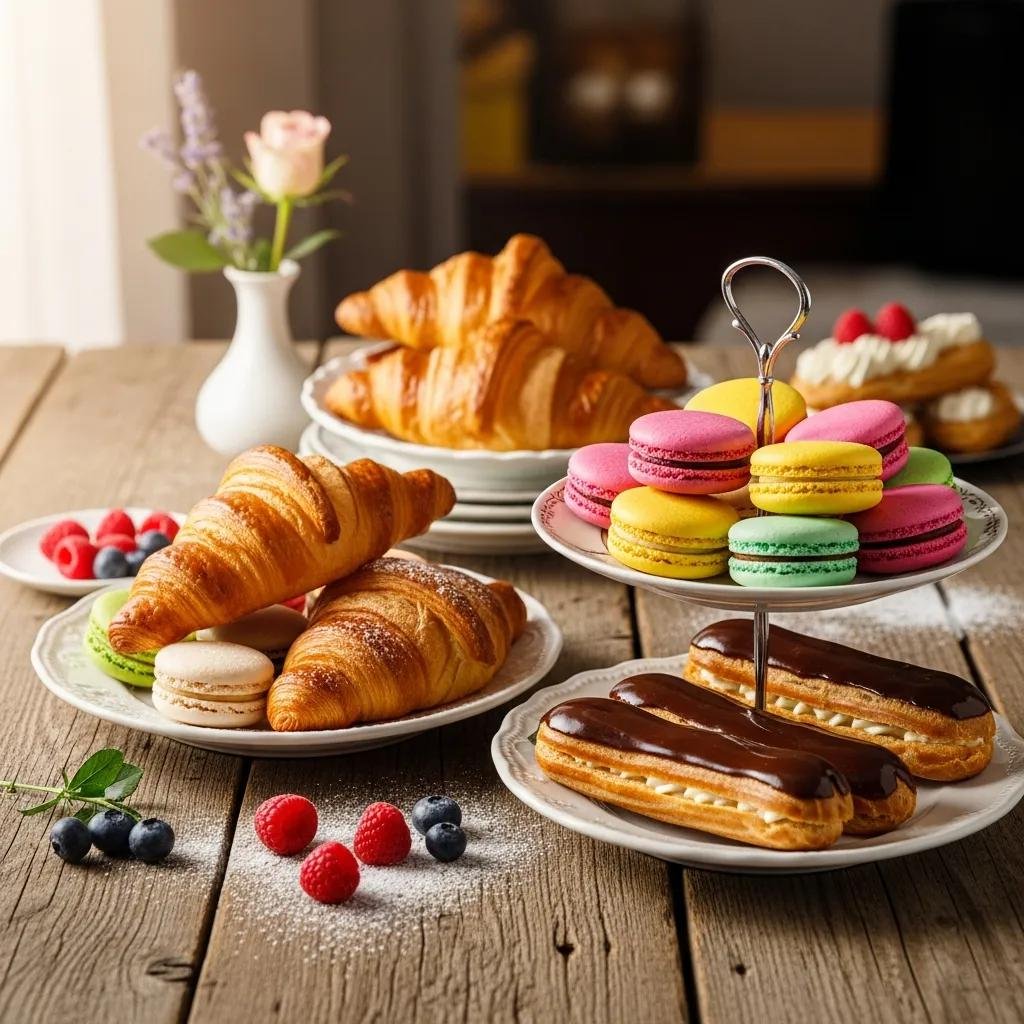
French pastries are renowned for their artistry and flavor. Here are some of the most iconic pastries that every pastry lover should know:
- Croissant: A flaky, buttery pastry known for its crescent shape, the croissant is a staple of French breakfast. Its unique texture comes from the lamination process, where layers of dough and butter are folded together.
- Macaron: These delicate meringue-based cookies are filled with ganache, buttercream, or jam. Their crisp exterior and soft interior create a delightful contrast, making them a favorite among dessert enthusiasts.
- Éclair: A choux pastry filled with cream and topped with icing, éclairs are both visually appealing and delicious. The combination of the light pastry and rich filling makes them a popular choice in French pâtisseries.
What Defines a Croissant and Its Unique Characteristics?
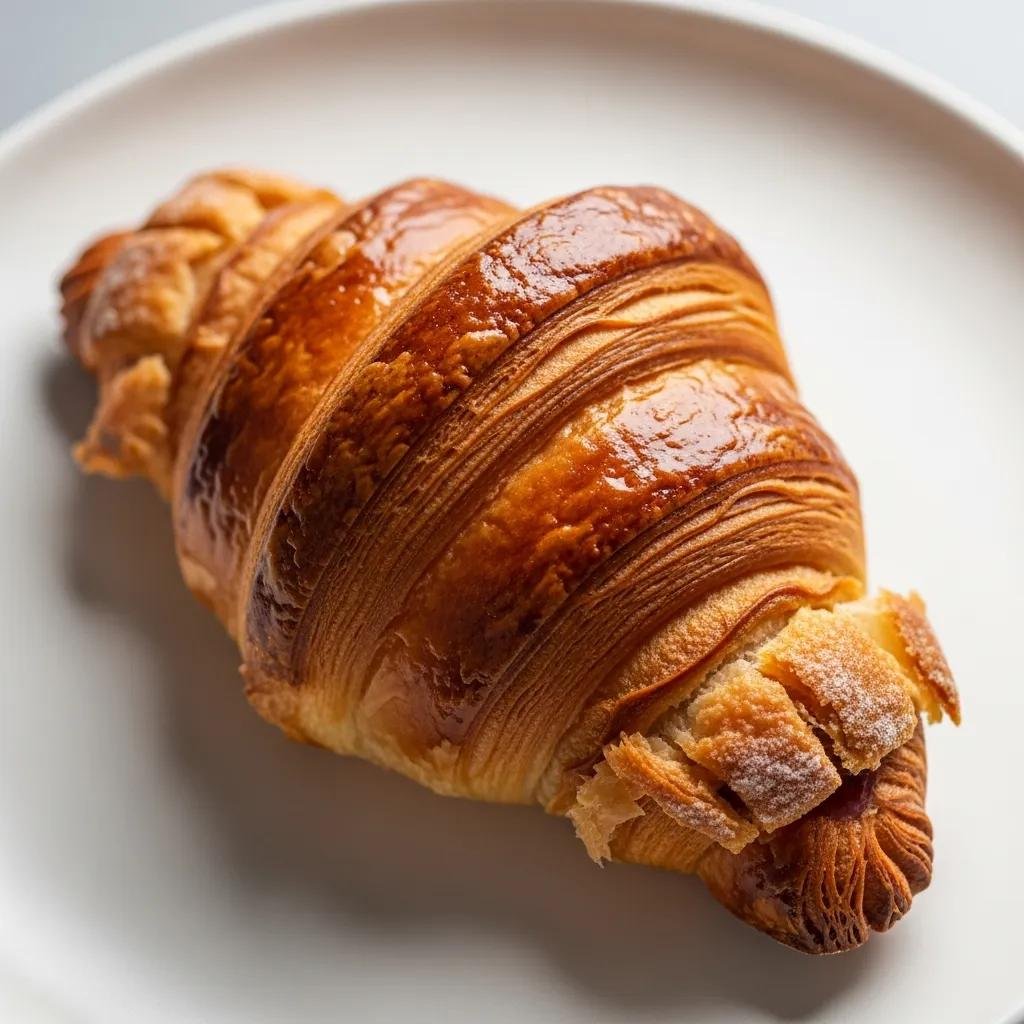
The croissant is defined by its flaky texture and buttery flavor, achieved through a meticulous lamination process. This involves folding butter into the dough multiple times to create thin layers. The result is a pastry that is light and airy, with a golden-brown crust. Croissants are often enjoyed plain or filled with chocolate or almond paste, showcasing their versatility.
The intricate lamination process crucial for croissants relies heavily on the specific properties of flour, particularly its gluten content, to achieve the desired texture and structure.
Further research delves into the scientific aspects of flour quality and its impact on the structural integrity of croissants.
Flour Quality & Croissant Lamination: Structure & Texture
The study focuses on key quality parameters of flour—including moisture content, gluten percentage, gluten quality (measured by the IDK index), and enzymatic activity—and examines how these factors influence the elasticity, stability, and lamination properties of the dough. The analysis also includes visual comparisons of the baked croissants made from both samples, highlighting structural differences such as porosity, crumb texture, and layer definition.
THE INFLUENCE OF FLOUR GLUTEN ON THE STRUCTURE AND LAMINATION OF CROISSANTS, A Jabborov, 2025
How Is a Macaron Made and What Makes It Special?
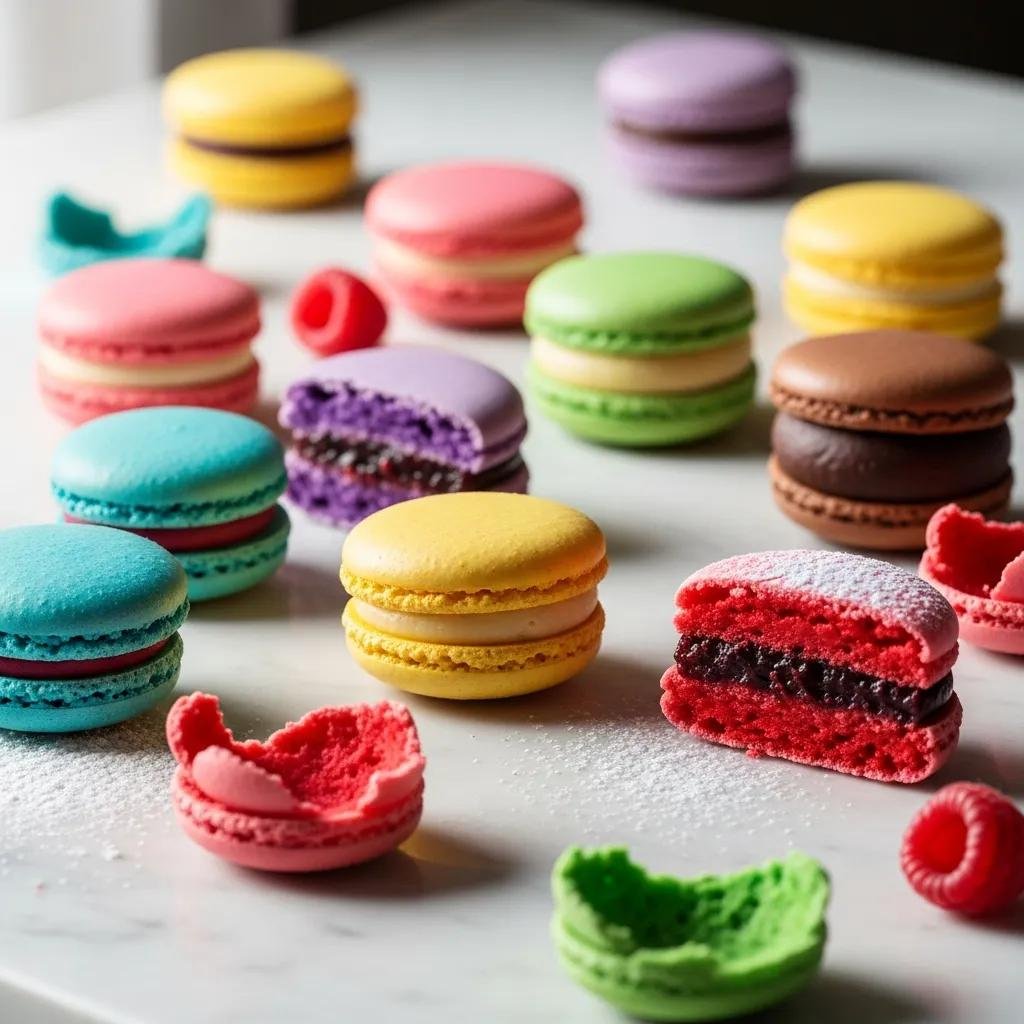
Macarons are made from a mixture of almond flour, egg whites, and sugar, which is whipped to form a meringue. This mixture is then piped into small rounds and baked until they develop a delicate crust. The filling, which can vary from fruit jams to rich ganaches, adds a burst of flavor. The contrast between the crisp shell and the soft filling is what makes macarons truly special.
The delicate process of creating macarons, particularly those based on French meringue, involves specific techniques to achieve their signature texture.
French Meringue Macarons: Production Techniques
The macaron should be one of the easiest cookies to make; Different macaron production techniques have evolved, I use it when making French meringue-based macarons, which tend
Les Petits Macarons: Colorful French Confections to Make at Home, 2011
How Do Key French Baking Components Shape Pastry Flavors and Textures?
Understanding the key components of French baking is essential for appreciating the flavors and textures of pastries. Each ingredient plays a crucial role in the final product.
What Is Pâte à Choux and Which Pastries Use It?
Pâte à choux, or choux pastry, is a light pastry dough made from butter, water, flour, and eggs. It is unique because it is cooked on the stovetop before baking, allowing it to puff up in the oven. This dough is used to make various pastries, including éclairs and cream puffs, which are known for their airy texture and ability to hold fillings.
The unique characteristics and versatility of pâte à choux have been extensively explored in culinary literature.
Pâte à Choux: Characteristics & Recipes
I present a story entitled Pâte à Choux, a Love Story to portray five exclusive characteristics. This monograph also features two exclusive pâte à choux recipes, courtesy of World Pastry.
Pâte à Choux, a
Love Story: Expressions of a culinarian, KS Lee, 2021
How Does Crème Pâtissière Enhance French Desserts?
Crème pâtissière, or pastry cream, is a rich custard made from milk, sugar, eggs, and starch (usually cornstarch or flour). It serves as a filling for many French desserts, adding creaminess and flavor. This versatile component enhances pastries like éclairs and fruit tarts, providing a luxurious mouthfeel and a sweet balance to the overall dessert.
What Is the Difference Between a Boulangerie and a Pâtisserie?
How Does De Ma Vie Bakery Combine Boulangerie and Pâtisserie Traditions?
De Ma Vie Bakery beautifully embodies both boulangerie and pâtisserie traditions, offering a range of freshly baked breads alongside exquisite pastries. Their commitment to quality ingredients and traditional techniques ensures that each product reflects the rich heritage of French baking. Customers can enjoy a warm baguette or indulge in a delicate pastry, making it a true destination for lovers of French baked goods.
What Are Viennoiseries and How Do They Fit Into French Baking?
Viennoiseries are a category of baked goods that include pastries like croissants and pain au chocolat. These items are typically made from a yeast-leavened dough enriched with butter, giving them a rich flavor and tender texture. Viennoiseries are often enjoyed at breakfast or as a snack, showcasing the French art of pastry-making.
Why Learn French Pastry Terms: Benefits for Appreciation and Ordering?
Learning French pastry terms enhances your experience when visiting bakeries and ordering desserts. It allows you to appreciate the craftsmanship behind each pastry and communicate effectively with bakers.
How Does Understanding Pastry Vocabulary Enhance Your Bakery Experience?
Understanding pastry vocabulary boosts your confidence when ordering. You can ask for specific items, inquire about ingredients, and express preferences, leading to a more personalized experience. This knowledge also deepens your appreciation for the artistry involved in creating each pastry.
What Are Common French Baking Terms Every Enthusiast Should Know?
Here are some essential French baking terms that every enthusiast should familiarize themselves with:
- Pâtisserie: A pastry shop specializing in sweet baked goods.
- Boulangerie: A bakery that primarily sells bread.
- Mille-feuille: A layered pastry made of puff pastry and cream.
Where Can You Experience Authentic French Pastries in Falls Church, VA?
What Signature Pastries Does De Ma Vie Bakery Offer Locally?
De Ma Vie Bakery is known for its signature pastries, including flaky croissants, rich éclairs, and delicate macarons. Each pastry is crafted with care, using high-quality ingredients to ensure an authentic French experience. Customers rave about the buttery croissants and the vibrant flavors of the macarons, making it a must-visit for pastry lovers.
How Does De Ma Vie Bakery Reflect Traditional French Baking Trends?
De Ma Vie Bakery reflects traditional French baking trends through its commitment to artisanal techniques and quality ingredients. The bakery sources its flour and butter from reputable suppliers, ensuring that each pastry embodies the essence of French baking. By honoring these traditions, De Ma Vie Bakery provides a genuine taste of France in the heart of Falls Church.
EAV Table: Key Baking Components and Their Effects
Different baking components contribute distinct flavors and textures to French pastries.
| Ingredient | Role in Pastry | Effect on Flavor and Texture |
|---|---|---|
| Butter | Adds richness | Creates a flaky texture |
| Flour | Provides structure | Affects density and chewiness |
| Sugar | Sweetens | Enhances flavor complexity |
| Eggs | Binds ingredients | Contributes to moisture and richness |
This table illustrates how each ingredient plays a vital role in shaping the final product, highlighting the importance of quality in French pastry-making.
List of Iconic French Pastries
Here’s a list of iconic French pastries that you should try:
- Tarte Tatin: An upside-down caramelized apple tart that is both sweet and tangy.
- Canelé: A small, fluted cake with a soft custard center and a caramelized crust.
- Mille-feuille: A layered pastry made of puff pastry and pastry cream, topped with icing, known for its delicate texture.
These pastries showcase the diversity and creativity found in French baking, each offering a unique taste experience.
Conclusion
Understanding essential French pastry terms enriches your culinary journey and enhances your appreciation for these delightful creations. Whether you’re indulging in a buttery croissant or a delicate macaron, knowing the vocabulary allows you to engage more deeply with the art of French baking. For an authentic experience, visit De Ma Vie Bakery in Falls Church, VA, where you can savor traditional pastries crafted with care and expertise.


