Savor Authentic French Delights
At De Ma Vie Bakery, French baking is rooted in tradition and craft. This article explains the techniques, ingredients, and hands-on skills behind our breads and pastries, and shows how we preserve French culinary traditions while building a local baking community.
We emphasize the difference between artisanal bread and industrial food products.
French Artisanal Bread: Ancestral Form vs. Industrial Food
What the Anglo-Saxons call ‘French bread’ is found, in fact, all over Latin Europe; it is the ancestral form of bread, compared to the industrial food wrapped in a shroud of cellophane which is sold in the supermarkets of the Western world under the somewhat euphemistic label of ‘bread’.
Artisanal bakery in France: How it lives and why it survives, 1981
What Defines Authentic French Baking at De Ma Vie?
Authentic French baking requires respect for tradition, careful ingredient selection, and precise technique. At De Ma Vie, traditional methods and premium ingredients ensure each product reflects classic French flavors and textures.
Which Traditional French Baking Techniques Do We Use?
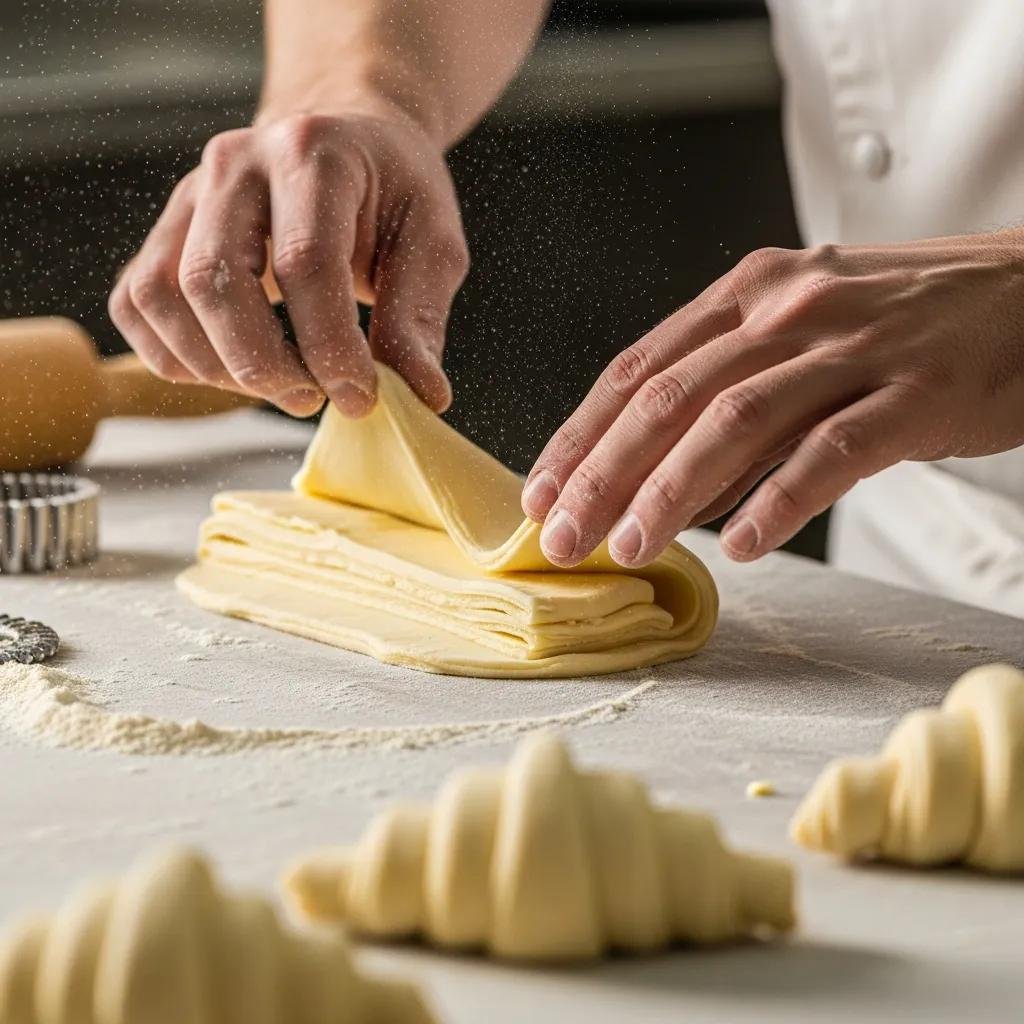
We use core French methods: lamination for croissants and long, natural fermentation for sourdough. Both require exact timing, temperature control, and skilled hands to achieve the desired texture and flavor.
Natural fermentation depends on a complex microbial ecosystem and extended development.
Sourdough Fermentation: Key Microbes & Traditional Processes
Sourdough is a specific and stressful ecosystem inhabited by yeasts and lactic acid bacteria (LAB), mainly heterofermentative lactobacilli. On the basis of their inocula, three types of sourdough fermentation processes can be distinguished, namely backslopped ones, those initiated with starter cultures, and those initiated with a starter culture followed by backslopping. Typical sourdough LAB species are Lactobacillus fermentum, Lactobacillus paralimentarius, Lactobacillus plantarum, and Lactobacillus sanfranciscensis.
Microbial ecology of sourdough fermentations: diverse or uniform?, S Van Kerrebroeck, 2014
Sourdough science shows how lactic acid bacteria and yeasts interact to shape aroma, crumb, and shelf life.
Sourdough: Ancient Fermentation for Authentic Bread
Sourdough production is an ancient method to ferment flour for bread making, and it is still widely used today. This review provides an overview of current fermentation strategies for sourdough production and discusses the microbial ecology involved. Flour fermentation processes for sourdough production are complex and involve a diverse community of microorganisms, including lactic acid bacteria and yeasts, which contribute to the unique flavor and texture of sourdough bread.
Effect of proving time on the quality of frozen pre-baked French style rolls elaborated with the addition of wholegrain flour and enzymes, EL Almeida, 2014
How Do Quality Ingredients Shape Our Authenticity?
Ingredient quality determines the result. We source French-style flour, European butter, and seasonal fruit to deliver authentic flavor and consistent texture.
How Does Craftsmanship Manifest in Every De Ma Vie Creation?
Craftsmanship guides every step. Trained bakers use hands-on practice to preserve traditional methods; you can see it in shaping, lamination, and finishing.
What Is the Role of Handcrafting in Our Artisan Breads and Pastries?
Handcrafting provides control machines cannot. Bakers adjust dough by feel, sight, and touch to refine crumb, mouthfeel, and layer definition.
How Do Our Bakers Uphold French Culinary Heritage?
Our bakers train in traditional French techniques and apply mixing, folding, and fermentation to produce authentic results.
Why Is De Ma Vie the Best Place for French Pastry Craftsmanship in Virginia?
De Ma Vie combines traditional methods with careful sourcing to make pastries that reflect French training while appealing to local tastes.
What Makes Our Croissants and Baguettes Stand Out in Falls Church?
Time-tested methods shape our croissants and baguettes. Precise lamination yields flaky, butter-rich croissants; extended fermentation gives baguettes a crisp crust and open crumb. Customers praise these qualities, which depend on flour quality and lamination precision.
Flour Quality & Lamination for Perfect Croissant Structure
The study focuses on key quality parameters of flour—including moisture content, gluten percentage, gluten quality (measured by the IDK index), and enzymatic activity—and examines how these factors influence the elasticity, stability, and lamination properties of the dough. The analysis also includes visual comparisons of the baked croissants made from both samples, highlighting structural differences such as porosity, crumb texture, and layer definition.The results demonstrate that optimal flour characteristics are crucial for achieving light, airy
THE INFLUENCE OF FLOUR GLUTEN ON THE STRUCTURE AND LAMINATION OF CROISSANTS, A Jabborov, 2025
How Do We Foster a Community Experience Beyond Baking?
The bakery is a community hub—workshops, tastings, and seasonal events bring people together to learn, taste, and connect.
What Are the Pillars of Our Traditional French Baking Philosophy?
Our pillars are respect for technique, careful sourcing, precise execution, and community engagement. Together they sustain consistent quality.
How Does Precision and Technique Define Our Baking Process?
Precision at every stage—from weighing to proving and baking—produces consistent, high-quality results. Timing, especially proving, strongly affects final bread quality.
Sourdough: Ancient Fermentation for Authentic Bread
Sourdough production is an ancient method to ferment flour for bread making, and it is still widely used today. This review provides an overview of current fermentation strategies for sourdough production and discusses the microbial ecology involved. Flour fermentation processes for sourdough production are complex and involve a diverse community of microorganisms, including lactic acid bacteria and yeasts, which contribute to the unique flavor and texture of sourdough bread.
Effect of proving time on the quality of frozen pre-baked French style rolls elaborated with the addition of wholegrain flour and enzymes, EL Almeida, 2014
Why Is Passion Essential to Our Craftsmanship?
Passion motivates our bakers. Attention to small details improves taste, presentation, and the customer experience.
How Does De Ma Vie Ensure Authenticity Through Ingredient Selection?
Authenticity starts with sourcing ingredients that match French specifications and seasonal quality to support traditional techniques.
Where Do We Source Our High-Quality French Baking Ingredients?
We partner with trusted suppliers for French-spec flour and use locally sourced seasonal fruit when available to keep offerings authentic and fresh.
What Role Do Ingredients Play in French Pastry and Bread Quality?
Ingredients determine texture, flavor, and bake performance. High-quality flour, butter, and produce deliver the structure and taste expected from French baking.
How Can You Experience De Ma Vie's Authentic French Philosophy?
Visit De Ma Vie to taste traditional bakes and learn the methods behind them in a warm, welcoming shop environment.
What Can Visitors Expect When Visiting Our Falls Church Bakery?
Expect a welcoming space, staff who share the stories behind items, and choices from quick treats to full artisan loaves.
How Can You Explore Our Menu and Connect with Our Community?
Our menu includes classic pastries and rotating seasonal specialties. Join workshops and events to learn and meet fellow baking enthusiasts.
Frequently Asked Questions
What is the significance of sourdough in French baking?
Sourdough is a cornerstone of French baking, prized for its distinct flavor and texture. It relies on natural fermentation, a complex ecosystem of yeasts and lactic acid bacteria. This ancient method enhances taste and contributes to the bread’s nutritional profile. At De Ma Vie, we emphasize sourdough’s role in creating authentic French bread and demonstrate the balance of tradition and science in our process.
How does De Ma Vie incorporate local flavors into its French pastries?
We source seasonal fruit and ingredients from nearby farms. This supports local agriculture and lets us create pastries that reflect regional tastes. By combining traditional French techniques with local produce, we honor French culinary heritage while showcasing community flavors.
What training do bakers at De Ma Vie undergo?
Our bakers complete extensive training in traditional French techniques, with a focus on mixing, folding, and fermentation. Continuous education and hands-on practice keep our standards high and ensure consistent results.
How does De Ma Vie engage with the local community?
We engage the local community through baking workshops, tastings, and seasonal events. These activities teach French baking techniques and foster connections among enthusiasts. The bakery serves as a hub for sharing knowledge and celebrating the craft of baking.
What are the health benefits of choosing artisanal bread over industrial bread?
Artisanal bread, like ours, often contains fewer additives and preservatives than industrial bread. Natural sourdough fermentation can enhance digestibility and may support gut health through beneficial bacteria. Artisanal loaves also offer richer flavor and texture, making them a more satisfying choice.
Can customers customize their orders at De Ma Vie Bakery?
Yes. Customers can customize orders for special occasions, requesting specific flavors or designs for pastries and breads. Our bakers accommodate individual preferences to meet your expectations for taste and presentation.
Conclusion
At De Ma Vie we celebrate authentic French baking through careful ingredient selection and traditional techniques. Each product embodies our culinary heritage. Our commitment to quality enhances flavor and fosters community. Visit us to experience French pastries and breads that connect tradition with local charm.


