More Than Food: Exploring the Cultural Impact and Artisan Craft of French Bread
French bread is not just a staple food; it embodies a rich cultural heritage that has evolved over centuries. This article delves into the historical significance, traditional baking techniques, and the various types of French bread that have shaped culinary practices in France and beyond. Readers will discover how French bread serves as a symbol of national identity and community connection, while also exploring the artisan craft behind its creation. The journey through the world of French bread reveals its profound impact on culture and society, highlighting its role beyond mere sustenance. We will also examine how local establishments, like De Ma Vie Bakery, contribute to this vibrant tradition through their offerings and community engagement.
Indeed, the very essence of what we call ‘French bread’ is often seen as a timeless, authentic form, standing in stark contrast to mass-produced alternatives.
Artisan French Bread: Ancestral Form & Survival
What the Anglo-Saxons call ‘French bread’ is found, in fact, all over Latin Europe; it is the ancestral form of bread, compared to the industrial food wrapped in a shroud of cellophane which is sold in the supermarkets of the Western world under the somewhat euphemistic label of ‘bread’.
Artisanal bakery in France: How it lives and why it survives, 1981
What is the history of French bread and its cultural significance?
French bread has a storied history that reflects the evolution of French society itself. Originating from ancient civilizations, bread-making techniques have transformed significantly over the centuries, influenced by various cultural and technological advancements. The introduction of yeast and milling techniques in the Middle Ages marked a turning point, allowing for the production of lighter, airier loaves.
How did French bread evolve through the centuries?
The evolution of French bread can be traced back to the Roman Empire, where early forms of bread were made from coarse grains. As time progressed, the refinement of wheat flour and the introduction of sourdough fermentation techniques led to the creation of iconic bread types like the baguette. By the 19th century, the industrial revolution further transformed bread production, making it more accessible to the masses. Today, French bread continues to evolve, blending traditional methods with modern innovations, yet it remains a staple in French culture.
Why is French bread considered a symbol of French heritage?
French bread is deeply intertwined with the national identity of France. It represents not only sustenance but also the artistry of French culinary traditions. The baguette, for instance, is often seen as a symbol of daily life in France, embodying the values of craftsmanship and community. Bread is central to French meals, often served at the table as a sign of hospitality. This cultural significance is celebrated in various festivals and traditions, reinforcing the idea that bread is more than just food; it is a vital part of French heritage.
This deep connection between bread and human experience is not merely symbolic but is woven into the very fabric of language and social interaction, reflecting its profound historical and cultural impact.
Bread’s Cultural Heritage: History & Social Impact
The history of sourdough and related baked goods follows the entire arc of the development of human civilization, from the beginning of agriculture to the present. Sourdough bread and other sourdough baked goods made from cereals are examples of foods that summarize different types of knowledge, from agricultural practices and technological processes through to cultural heritage. Bread is closely linked to human subsistence in temperate climates and intimately connected to tradition, the practices of civil society, and religion. Many languages also retain expressions that recall the close bond between life and bread: “to earn his bread” and “remove bread from his mouth” are just some of the most common idioms, not to mention the etymology of words in current use. For example “companio,” a word first used in late Latin or early French, is derived fromcum panis, which means someone with whom you share your bread.
History and social aspects of sourdough, M Gänzle, 2023
Which traditional French baking techniques define authentic artisan bread?
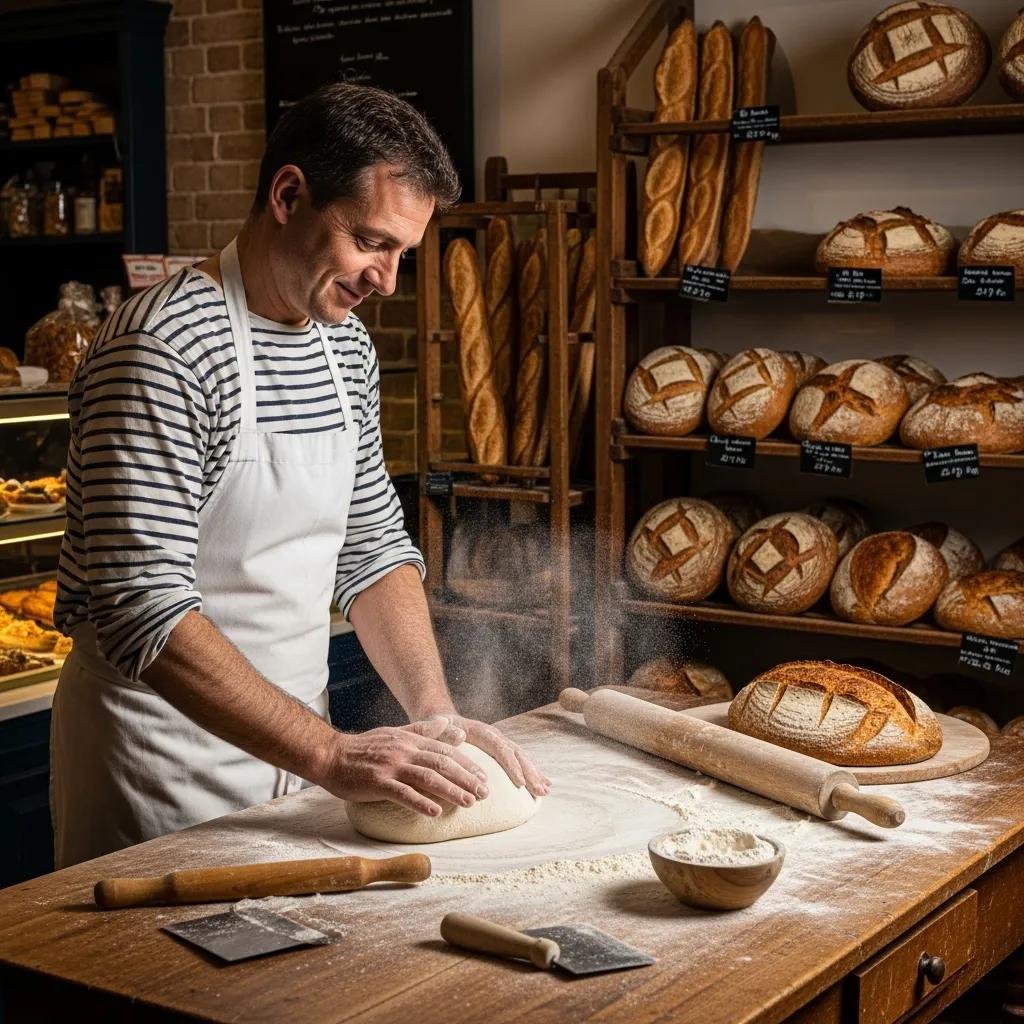
The art of baking French bread is steeped in tradition, with techniques passed down through generations. Authentic artisan bread-making emphasizes the use of high-quality ingredients and time-honored methods that enhance flavor and texture.
What are the key steps in artisan French bread making?
Artisan French bread making involves several key steps that ensure the quality of the final product. The process begins with selecting the right flour, typically high in protein content, which is essential for gluten development. Next, the dough is mixed and kneaded to develop its structure. After a period of fermentation, the dough is shaped and allowed to rise before being baked in a hot oven. This meticulous process results in bread with a crispy crust and a soft, airy interior, characteristic of traditional French loaves.
How do natural ingredients and fermentation shape French bread?
Natural ingredients play a crucial role in the flavor and texture of French bread. The use of natural yeast, such as wild yeast in sourdough starters, contributes to the unique taste profile of artisan loaves. Fermentation not only helps in leavening the bread but also enhances its nutritional value and digestibility. The slow fermentation process allows for the development of complex flavors, making each loaf a reflection of the baker’s skill and the quality of the ingredients used.
What are the main varieties of French bread and their cultural meanings?
French bread encompasses a wide range of varieties, each with its own unique characteristics and cultural significance. Understanding these differences provides insight into the diverse culinary landscape of France.
How do baguette, brioche, and pain de campagne differ?
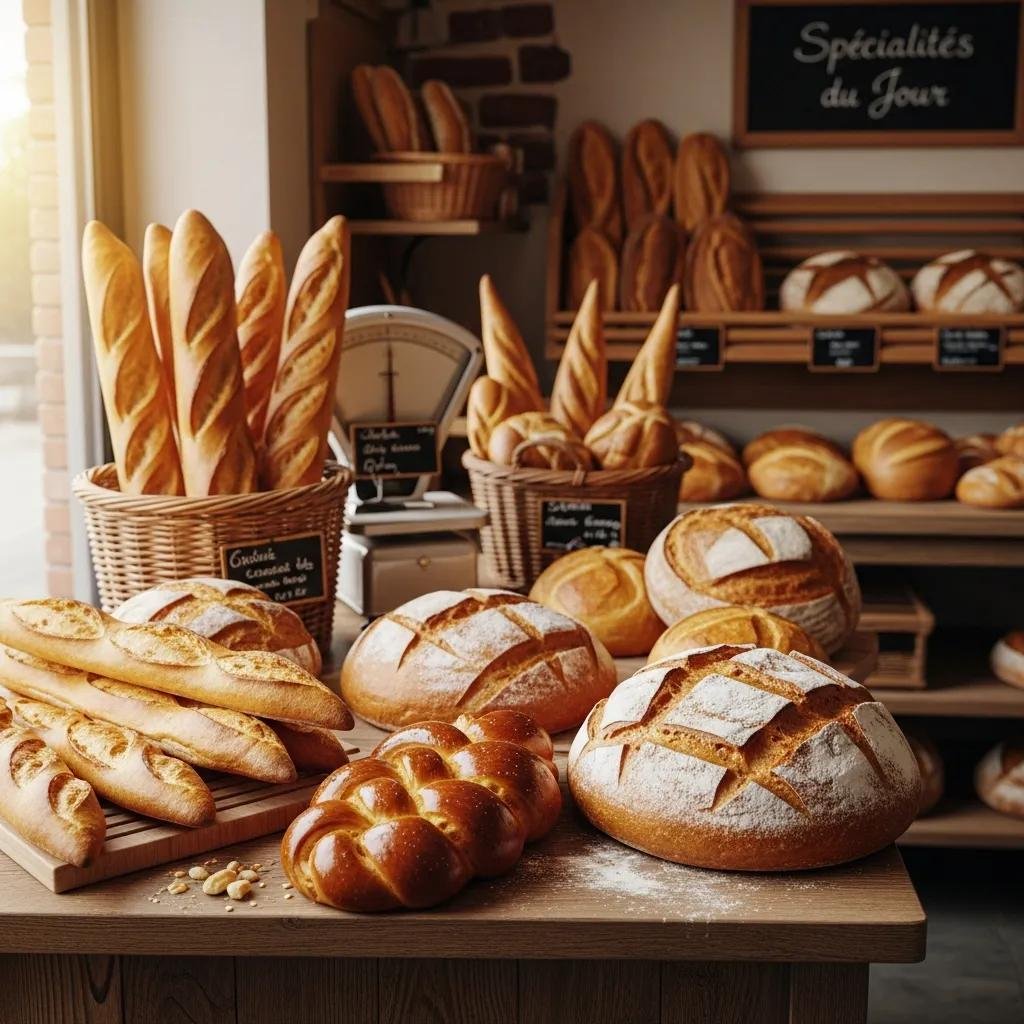
- Baguette: Known for its long, thin shape and crispy crust, the baguette is perhaps the most iconic type of French bread. It is often enjoyed fresh with meals or used for sandwiches.
- Brioche: This rich, buttery bread is slightly sweet and often used in desserts or breakfast dishes. Its soft texture and golden color make it a favorite for special occasions.
- Pain de Campagne: Also known as country bread, this rustic loaf is typically made with a mix of white, whole wheat, and sometimes rye flours and has a denser texture. It is often associated with traditional French meals and is perfect for pairing with hearty dishes.
What cultural stories are associated with each French bread type?
Each type of French bread carries its own cultural narratives. The baguette, for instance, is often linked to the daily life of Parisians, symbolizing the rhythm of city life. Brioche, with its luxurious texture, is associated with celebrations and family gatherings, while pain de campagne reflects the agrarian roots of French culture, often enjoyed in rural settings. These stories highlight the integral role that bread plays in the social fabric of France.
How does De Ma Vie Bakery embody artisan baking traditions in Falls Church?
De Ma Vie Bakery is a local establishment that specializes in authentic French pastries and breads, showcasing the rich traditions of French baking. The bakery emphasizes artisan techniques and high-quality ingredients, ensuring that each product reflects the cultural heritage of French bread.
What artisan French breads and pastries does De Ma Vie Bakery offer?
At De Ma Vie Bakery, customers can find a variety of artisan French breads, including traditional baguettes, rich brioche, and rustic pain de campagne. Each loaf is crafted with care, using time-honored methods that honor the essence of French baking. The bakery also offers a selection of pastries, such as croissants and éclairs, further enriching the local culinary scene.
How does the bakery engage the local community through French bread culture?
De Ma Vie Bakery actively engages with the Falls Church community by hosting events that celebrate French bread culture. These events often include baking classes, tastings, and community gatherings, fostering a deeper appreciation for the art of bread-making. By connecting with local residents, the bakery not only promotes its products but also strengthens community ties through shared culinary experiences.
Why is French bread more than food: its role in community and culture?
French bread transcends its role as a mere food item; it serves as a medium for social connection and cultural expression. The act of sharing bread often symbolizes hospitality and community, reinforcing bonds among individuals.
How does French bread foster local connections in Falls Church?
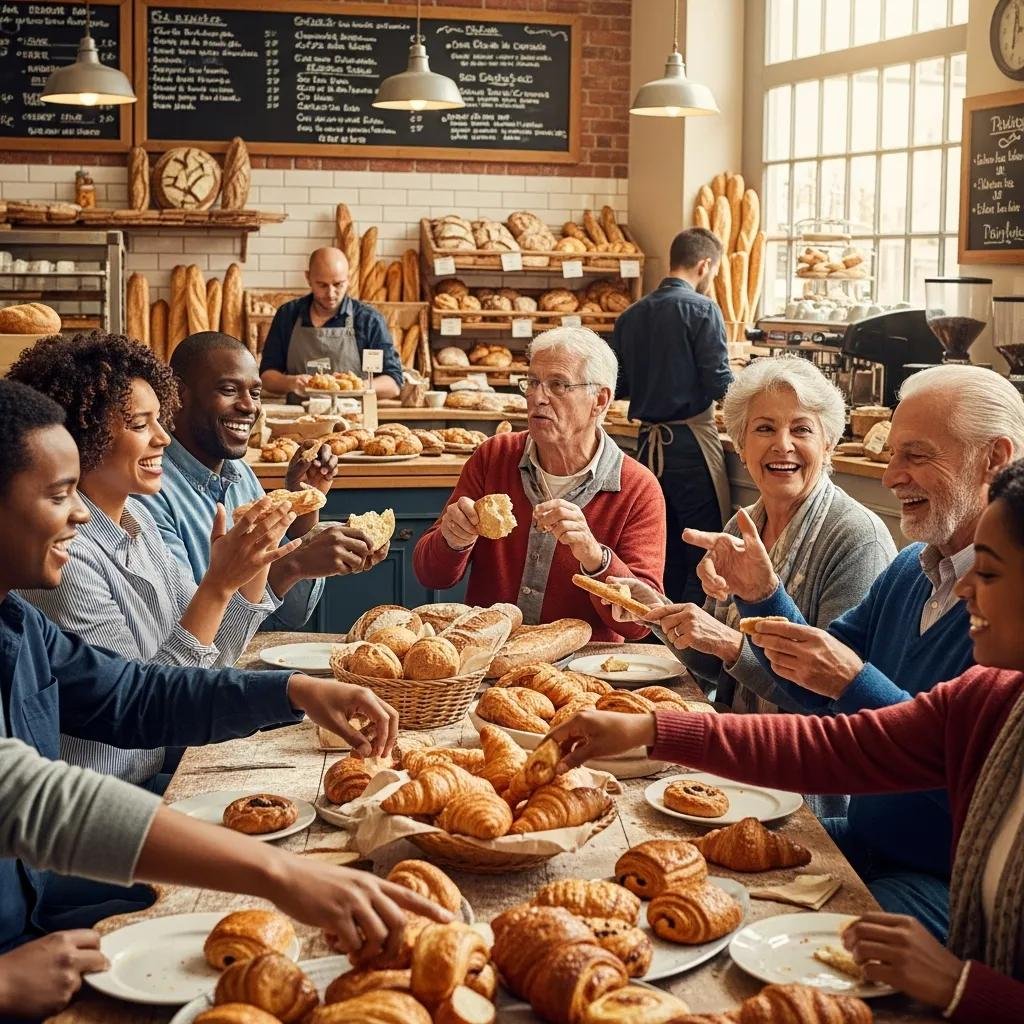
In Falls Church, French bread plays a significant role in community gatherings and local events. Bakeries like De Ma Vie serve as gathering places where residents come together to enjoy freshly baked goods, share stories, and celebrate cultural traditions. This communal aspect of bread consumption fosters a sense of belonging and connection among locals.
What testimonials highlight the cultural importance of French bread?
Community members often share their experiences of how French bread has enriched their lives. From family traditions centered around baking to the joy of sharing a meal with friends, these testimonials underscore the cultural significance of bread in everyday life. The stories of individuals and families reflect the deep-rooted connection that French bread has with identity, heritage, and community.
| Bread Type | Characteristics | Cultural Significance |
|---|---|---|
| Baguette | Long, crispy crust, soft interior | Daily staple, symbol of Parisian life |
| Brioche | Rich, buttery, slightly sweet | Associated with celebrations and gatherings |
| Pain de Campagne | Rustic, dense, made with mixed flours | Reflects agrarian roots, enjoyed in rural settings |
The diversity of French bread types illustrates the rich tapestry of cultural narratives that accompany each loaf. Understanding these connections enhances appreciation for the craft of baking and the communal experiences that bread fosters.
French bread is more than just a culinary delight; it is a cultural artifact that embodies the history, traditions, and community spirit of France. Through the lens of artisan baking, we can appreciate the intricate relationship between food and culture, as well as the vital role that local bakeries play in preserving these traditions.


