
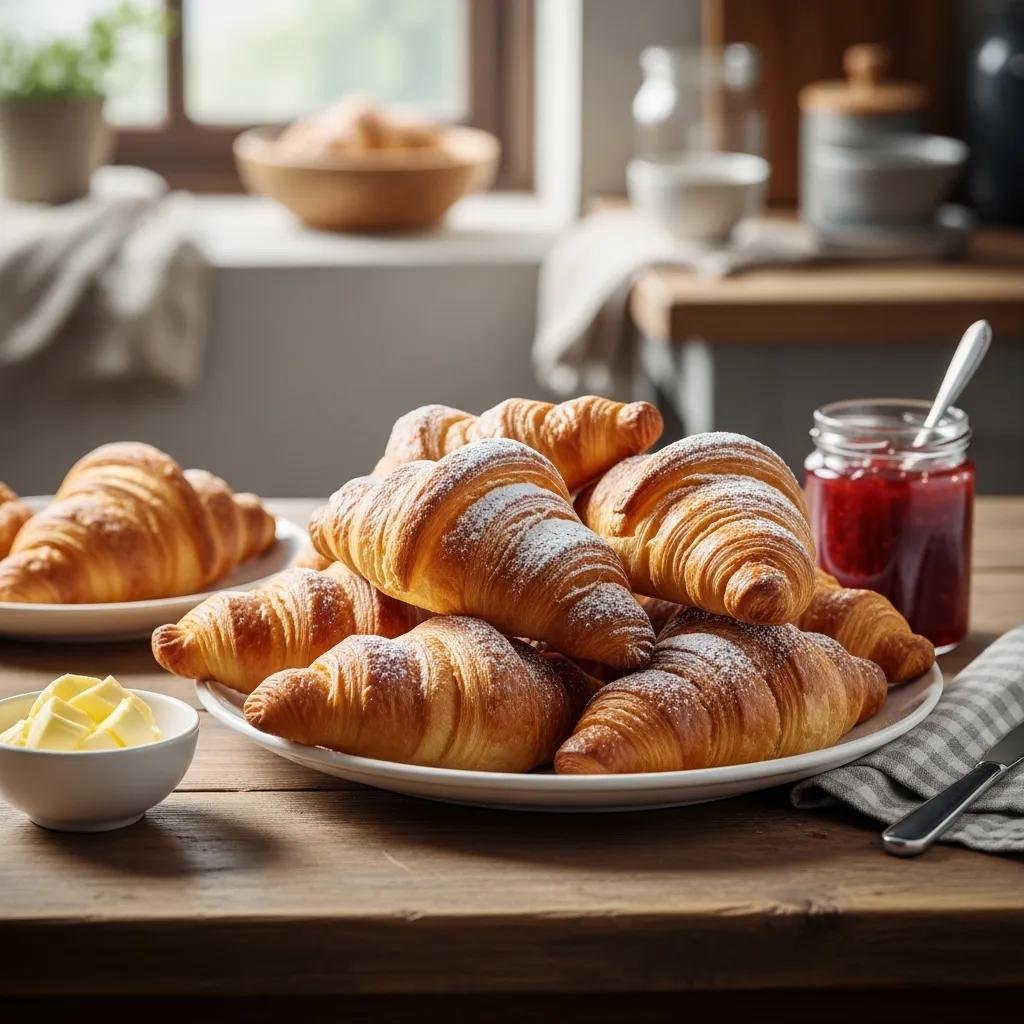
Secrets to Baking the Perfect Flaky French Croissant: Expert Guide to Croissant Lamination, Dough, Proofing, and Baking
Baking the perfect flaky French croissant is an art that combines precision, technique, and quality ingredients. This guide will delve into the secrets behind achieving that coveted flaky texture and rich flavor that defines authentic French croissants. You will learn about the essential ingredients, the intricate process of dough preparation, the lamination technique, and the baking methods that yield bakery-quality results. Many home bakers struggle with achieving the right flakiness and rise in their croissants, but with the right knowledge and practice, you can master this delightful pastry. This article will cover the key ingredients, dough preparation, lamination techniques, shaping and proofing, baking methods, and troubleshooting common baking challenges.
What Are the Key Ingredients for Authentic French Croissants?
To create authentic French croissants, understanding the key ingredients is crucial. The primary components include flour, yeast, water, salt, and, most importantly, high-quality butter. Each ingredient plays a vital role in the final product’s texture and flavor, contributing to the croissant’s signature flakiness and buttery taste.
Why Is European-Style Butter Essential for Flakiness?
European-style butter is essential for achieving the perfect flakiness in croissants due to its higher fat content, typically around 82-84%. This higher fat content allows for better lamination, creating more layers in the dough. The unique flavor profile of European butter also enhances the overall taste of the croissant, making it richer and more indulgent. Brands like Plugrá and Kerrygold are popular choices among bakers for their superior quality and flavor.
Research consistently highlights how the high butterfat content in European-style butter is crucial for successful lamination and the overall quality of laminated pastries.
Butterfat Impact on Croissant Quality
Bakers have traditionally sought out high fat butter often during lamination and produced finished croissants of good
Impact of butterfat content and composition on the quality of laminated pastries, 2020
How Do Flour, Yeast, and Other Ingredients Affect Croissant Dough?
The choice of flour is critical, as medium-protein flour (around 10-12% protein) is ideal for developing gluten, which provides structure to the dough. Yeast is responsible for fermentation, which helps the dough rise and develop flavor. The right balance of ingredients is essential; too much yeast can lead to overly rapid fermentation, while too little can result in dense croissants. Understanding the role of each ingredient allows bakers to adjust their recipes for optimal results.
Further studies delve into how specific flour characteristics, particularly gluten content, are crucial for dough elasticity, stability, and successful lamination.
Flour Gluten’s Impact on Croissant Lamination & Structure
The study focuses on key quality parameters of flour—including moisture content, gluten percentage, gluten quality (measured by the IDK index), and enzymatic activity—and examines how these factors influence the elasticity, stability, and lamination properties of the dough. The analysis also includes visual comparisons of the baked croissants made from both samples, highlighting structural differences such as porosity, crumb texture, and layer definition.
THE INFLUENCE OF FLOUR GLUTEN ON THE STRUCTURE AND LAMINATION OF CROISSANTS, A Jabborov, 2025
How Do You Prepare the Perfect Croissant Dough?
What Are the Steps for Mixing and Hydrating Croissant Dough?
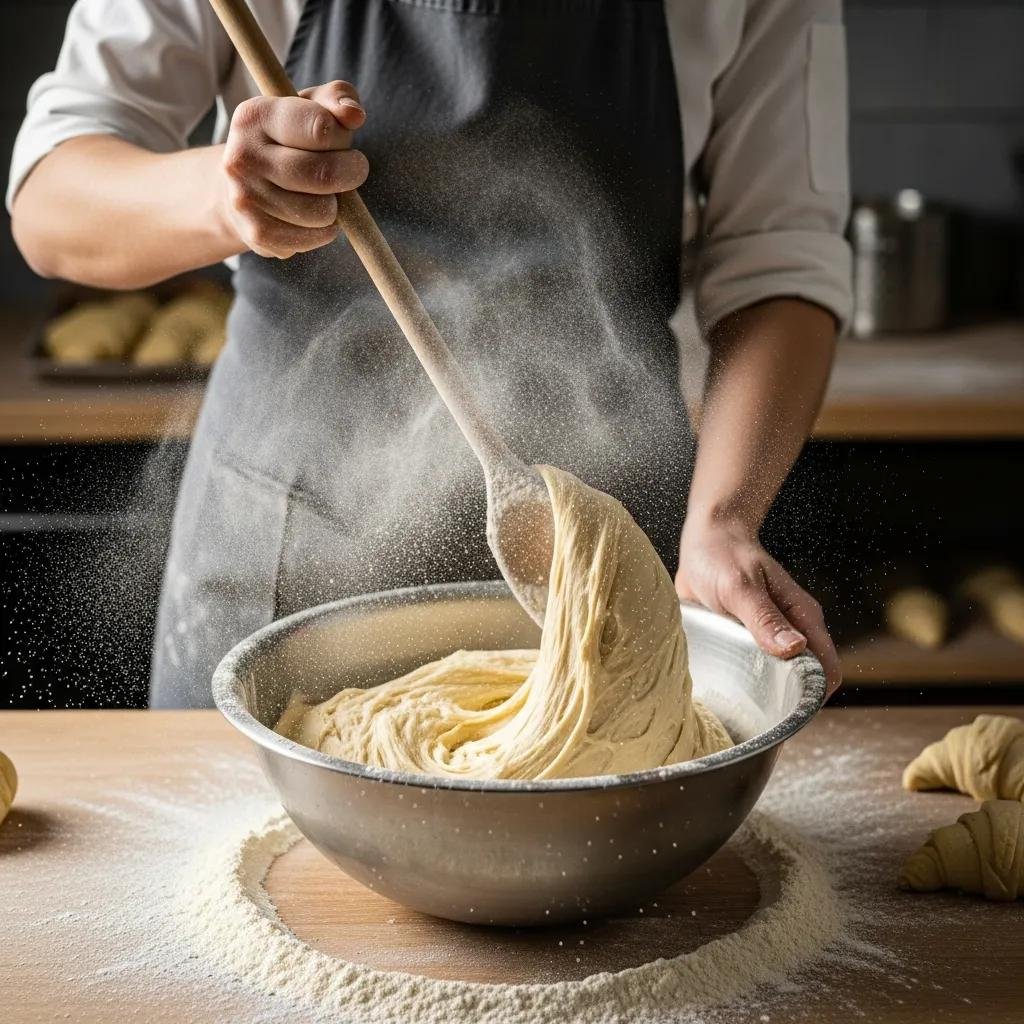
The first step in mixing croissant dough is to combine the flour, salt, and yeast in a bowl. Gradually add water to hydrate the flour, mixing until a shaggy dough forms. Knead the dough for about 5-10 minutes until it becomes smooth and elastic. After kneading, allow the dough to rest for at least 30 minutes to relax the gluten, which will make rolling easier.
How Does Dough Temperature Impact Lamination Success?
Dough temperature is crucial during the lamination process. Ideally, the dough should be kept cool, around 60-65°F (15-18°C), to prevent the butter from melting into the dough. If the dough becomes too warm, it can lead to poor lamination and a greasy texture. Using chilled ingredients and working in a cool environment can help maintain the ideal temperature for successful lamination.
What Is the Croissant Lamination Technique and How Is It Mastered?
Lamination is the process of folding and rolling butter into the dough to create multiple layers. This technique is essential for achieving the flaky texture characteristic of croissants.
Understanding the science behind lamination reveals how alternating layers of dough and fat are crucial for achieving the desired lift and flakiness.
Croissant Lamination: Fat Layers, Lift & Flakiness
The process of dough lamination, or the creation of alternating layers of dough and fat, is a technique used in various pastries. The layer of fat, often butter or margarine, creates an impenetrable barrier to the steam, or water vapor, produced by surrounding dough layers. This facilitates lift within the pastry and while many types don’t contain yeast, lamination becomes crucial to the finalized shape and volume of the product.
Effects of Folding on Laminated Dough, 2023
The fundamental principle of lamination, creating alternating layers of dough and fat, is critical for achieving the characteristic flakiness and volume by trapping steam during baking.
Croissant Lamination: Achieving Flakiness & Volume
The purpose of this experiment is to determine the effect on volume, flakiness, and air cell size and amount in basic croissants when the dough is folded less than and more than what’s currently considered standard. The process of dough lamination, or the creation of alternating layers of dough and fat, is a technique used in various pastries. The layer of fat, often butter or margarine, creates an impenetrable barrier to the steam, or water vapor, produced by surrounding dough layers. This facilitates lift within the pastry and while many types don’t contain yeast, lamination becomes crucial to the finalized shape and volume of the product.
Effects of Folding on Laminated Dough, 2023
How Do You Create and Handle the Butter Block for Lamination?
To create the butter block, start with cold European-style butter and shape it into a rectangle. The butter should be pliable but still firm enough to maintain its shape during the lamination process. When incorporating the butter into the dough, it’s important to ensure that the butter is at a similar consistency to the dough to prevent it from breaking through during rolling.
What Are the Folding and Rolling Steps in Lamination?
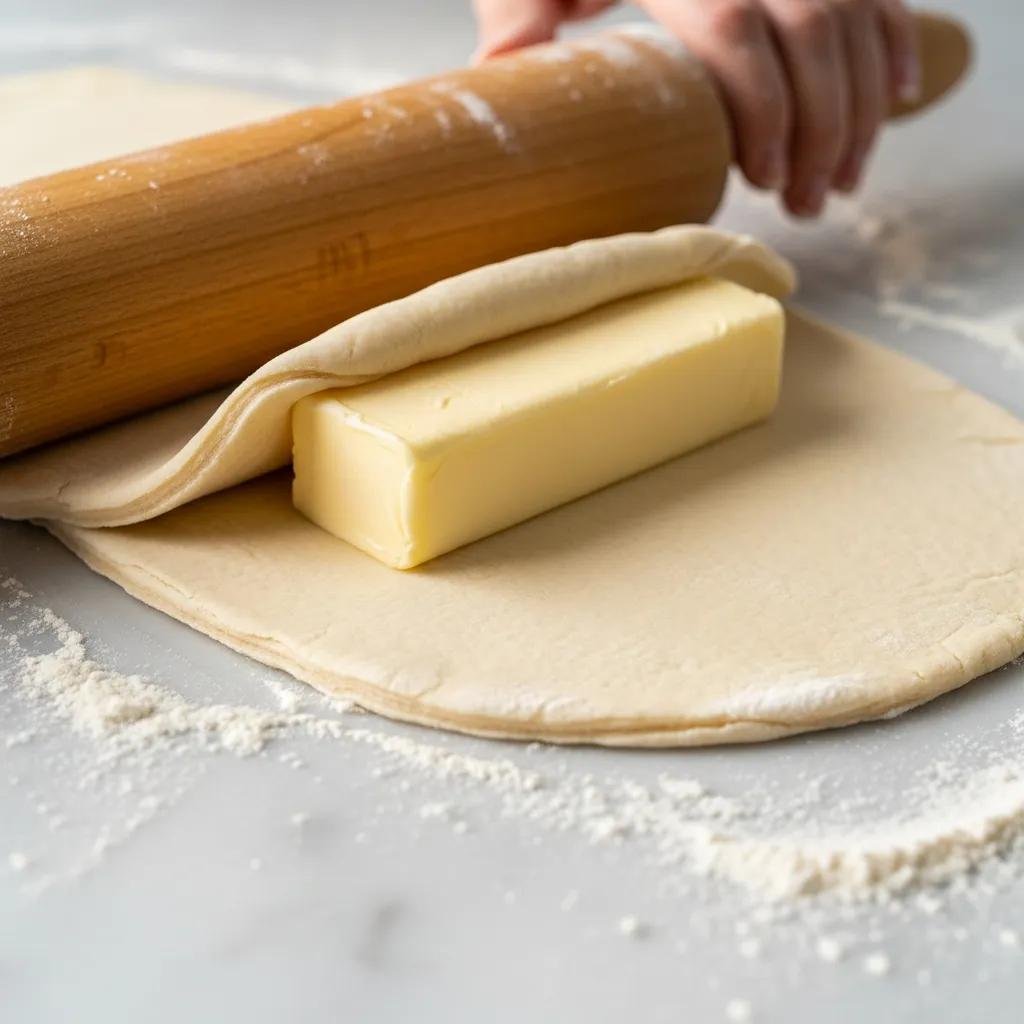
The lamination process typically involves a series of folds and turns. Begin by rolling the dough into a rectangle, placing the butter block in the center, and folding the dough over the butter. Roll out the dough to create a long rectangle, then fold it into thirds, similar to folding a letter. This process is repeated three to four times, with chilling periods in between to keep the butter firm. Each fold creates additional layers, resulting in a flaky croissant.
How Should Croissants Be Shaped and Proofed for Bakery-Quality Results?
Shaping and proofing are critical steps that influence the final appearance and texture of the croissants. Proper technique ensures that the croissants rise beautifully and develop a golden crust.
What Is the Ideal Way to Cut and Shape Croissant Dough Triangles?
To shape croissants, roll out the laminated dough into a large rectangle and cut it into triangles. The base of each triangle should be about 4-5 inches wide. Starting from the base, roll the triangle tightly towards the tip, ensuring that the layers are maintained. This rolling technique helps create the classic crescent shape.
What Are the Optimal Proofing Conditions for Perfect Rise?
Proofing is the final rise before baking, and it should occur in a warm, humid environment to encourage yeast activity. The ideal proofing temperature is around 75-80°F (24-27°C) with a humidity level of about 75%. Cover the shaped croissants with a damp cloth or plastic wrap to prevent them from drying out. Proper proofing will result in a light and airy croissant with a beautiful rise.
Comprehensive studies on croissant processing variables underscore the importance of precise lamination techniques and controlled proofing conditions, such as specific temperatures and durations, for optimal dough development and final product quality.
Croissant Dough Processing: Lamination & Proofing
variables including dough mixing time, lamination techniques (number of laminated layers), Following single-double folding (25 layers) and proofing at 27C for 2 hrs, the dough showed
Engineering the Perfect Croissant: A Comprehensive Study of Processing Variables and Their Impact on Dough and Final Quality, N Luangsakul, 2025
How Do You Bake Croissants to Achieve Golden, Flaky Perfection?
Baking is the final step in the croissant-making process, where the dough transforms into the flaky pastry we all love. The right oven temperature and baking time are crucial for achieving that perfect golden color and texture.
What Oven Temperatures and Baking Times Yield the Best Texture?
For optimal results, preheat the oven to 375-400°F (190-200°C). Bake the croissants for about 15-20 minutes, rotating the tray halfway through to ensure even baking. The croissants should be golden brown and puffed up when done. Using a baking stone can help maintain consistent heat, resulting in a better rise and texture.
How Does Egg Wash Enhance Croissant Appearance and Flavor?
Applying an egg wash before baking not only gives croissants a beautiful golden color but also adds a slight sheen to the crust. To prepare the egg wash, whisk together one egg with a tablespoon of water or milk. Brush the mixture gently over the croissants just before they go into the oven for baking.
How Can Common Croissant Baking Challenges Be Troubleshot?
Baking croissants can come with its challenges, but understanding common issues can help bakers achieve better results.
Why Aren't My Croissants Flaky and How Can I Fix This?
If croissants are not flaky, it may be due to insufficient lamination or the butter melting into the dough. Ensure that the butter is cold and that the dough is kept at the right temperature during the lamination process. Additionally, make sure to roll the dough evenly to create consistent layers.
What Causes Butter Leakage and How Is It Prevented?
Butter leakage can occur if the dough is overworked or if the butter is too warm. To prevent this, keep the dough and butter at the appropriate temperatures and avoid excessive handling. If leakage does occur, it can lead to greasy croissants, so maintaining proper technique is essential for success.
Experience De Ma Vie Bakery’s Flaky Croissants, where our expert bakers use high-quality ingredients and traditional techniques to create authentic French pastries. Visit us in Falls Church, Virginia, to enjoy our freshly baked croissants, along with a variety of other French baked goods, including baguettes and macarons.
| Ingredient | Role | Impact on Flakiness |
|---|---|---|
| European-Style Butter | Provides fat content | Essential for layering and flavor |
| Medium-Protein Flour | Develops gluten | Supports structure and rise |
| Yeast | Fermentation agent | Contributes to dough rise and texture |
This table highlights the critical ingredients and their roles in achieving the perfect flaky croissant. Understanding these components allows bakers to make informed choices when selecting their ingredients.
Baking the perfect flaky French croissant requires attention to detail and a commitment to quality ingredients. By mastering the techniques outlined in this guide, you can create croissants that rival those found in the finest French bakeries. With practice and patience, you will be able to enjoy the delightful experience of baking and savoring your own homemade croissants.


