
What's Next for French Pâtisserie: Predictions and Trends for 2026 and Beyond
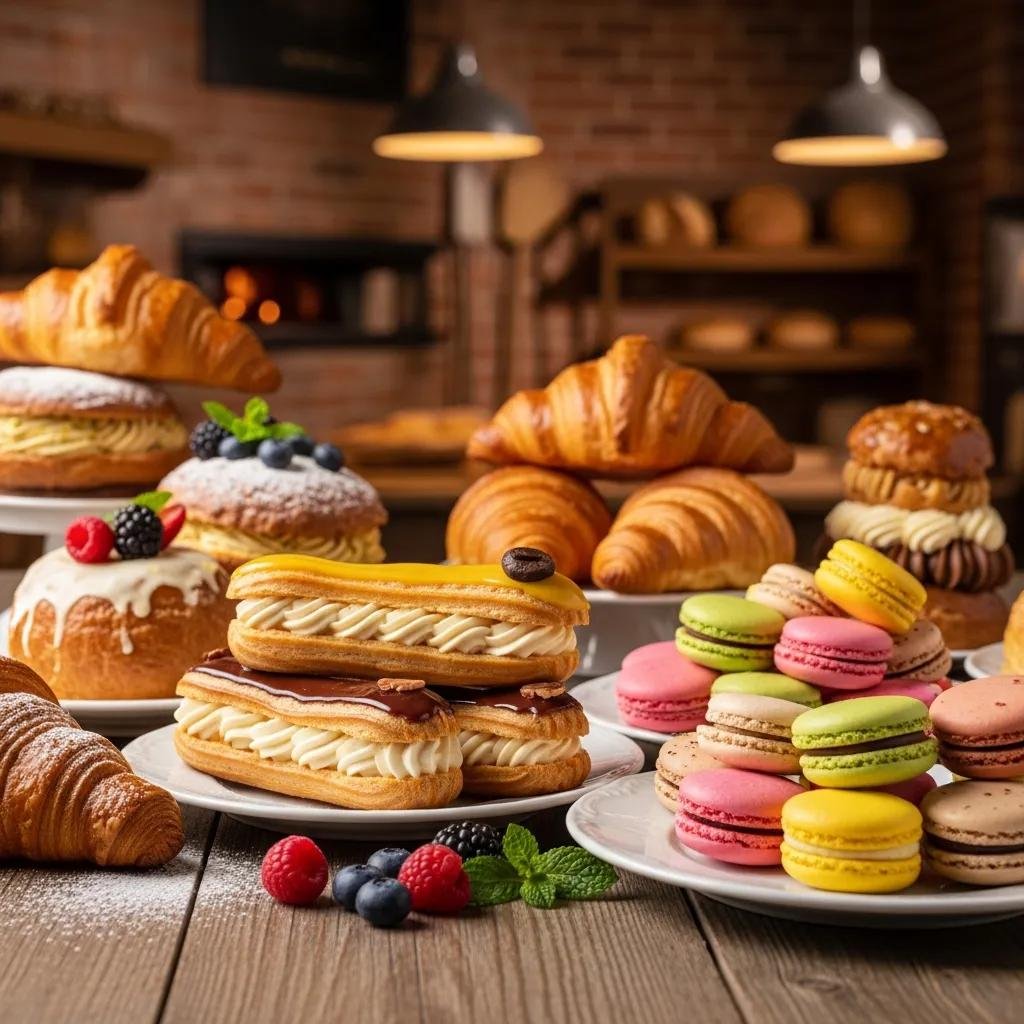
The world of French pâtisserie is evolving rapidly, with new trends and innovations shaping the future of this beloved culinary art. As we look ahead to 2026, it’s essential to explore the emerging trends that will define the landscape of French pastries. This article will delve into the top predictions for French pâtisserie, focusing on the influence of global flavors, sustainability, and technology. Readers will gain insights into how these factors are transforming traditional practices and creating exciting new opportunities for pastry chefs and enthusiasts alike. With the increasing demand for healthier options and unique flavor combinations, understanding these trends is crucial for anyone interested in the future of French desserts.
This ongoing transformation of French desserts is a subject of historical and culinary analysis.
French Dessert Evolution: Innovation, Taste & Aesthetics
a shift in the conception of the French dessert course from an adjunct but fully edible innovation and a new balance between taste and aesthetics. To date, the history of French dessert
Preliminary Study of the Use of Artificial Intelligence in Culinary Creativity with Jordi Roca as a Case
What Are the Top French Pastry Trends Shaping 2026?
As we approach 2026, several key trends are emerging in the world of French pastries. These trends reflect a blend of innovation and tradition, showcasing how chefs are reimagining classic recipes to meet modern tastes and preferences.
- Hybrid Pastries: The rise of hybrid pastries is revolutionizing traditional French desserts. These innovative creations combine elements from different pastry styles, resulting in unique offerings that appeal to adventurous eaters. Examples include the cruffin, a delightful fusion of croissant and muffin, and the cube croissant, which offers a new shape and texture while maintaining the buttery layers of classic croissants.
- Global Flavors: The integration of global flavors into French pâtisserie is another significant trend. Chefs are increasingly experimenting with ingredients and techniques from various culinary traditions, creating pastries that reflect a multicultural palate. For instance, matcha-infused éclairs and chai-spiced macarons are gaining popularity, showcasing how global influences can enhance traditional French recipes.
- Health-Conscious Options: With a growing emphasis on health and wellness, many pastry chefs are incorporating healthier ingredients into their creations. This includes the use of whole grains, natural sweeteners, and plant-based alternatives, catering to consumers seeking indulgence without compromising their dietary preferences.
Which Hybrid Pastries Are Revolutionizing French Classics?
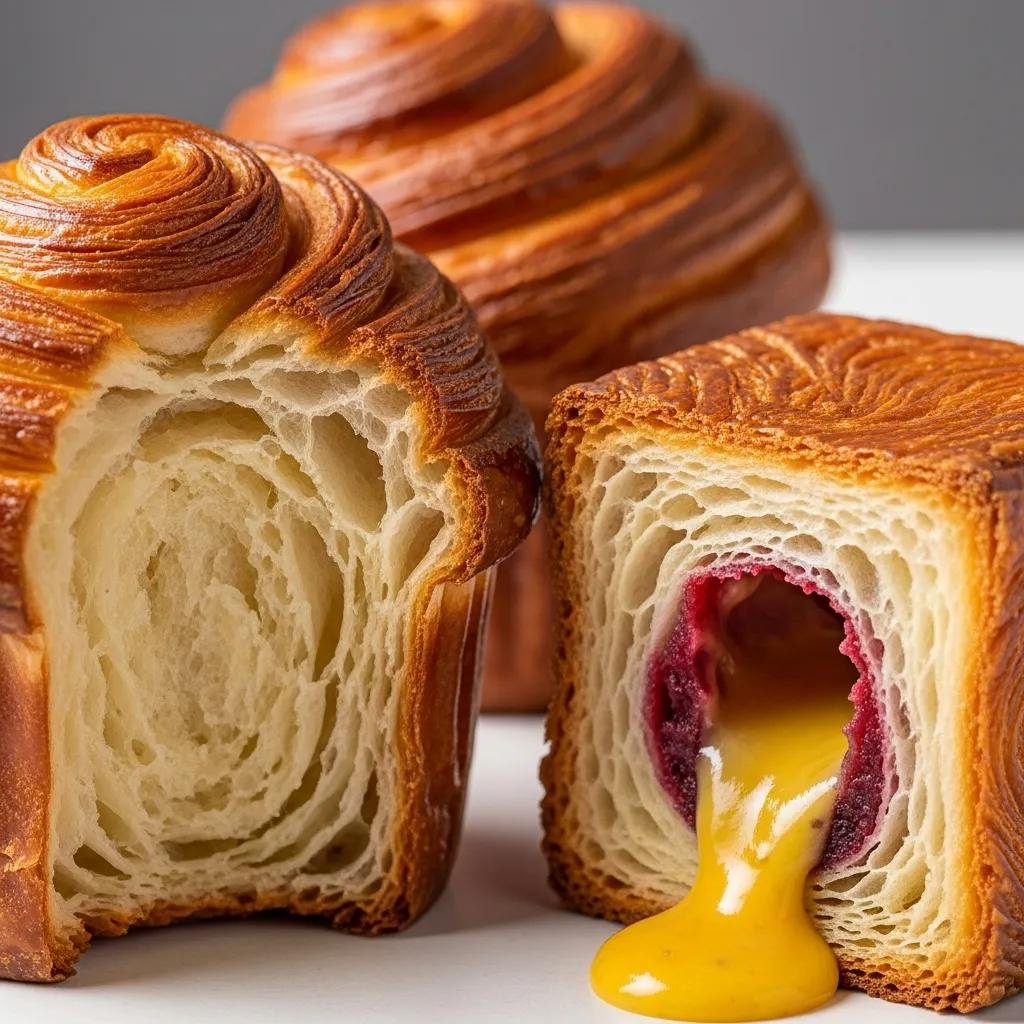
Hybrid pastries are at the forefront of the pastry revolution, captivating the attention of food enthusiasts. These innovative treats blend the best of both worlds, offering unique textures and flavors that challenge traditional boundaries.
The cruffin, for example, combines the flaky layers of a croissant with the soft, sweet interior of a muffin, resulting in a delightful breakfast option. Similarly, the cube croissant presents a new shape that not only looks appealing but also allows for creative fillings, such as fruit compotes or flavored creams.
How Are Global Flavors Influencing French Pâtisserie?
The influence of global flavors on French pâtisserie is evident in the creative combinations that chefs are exploring. By incorporating spices, fruits, and techniques from around the world, pastry chefs are crafting desserts that tell a story of cultural exchange. For instance, the use of yuzu, a Japanese citrus fruit, in tarts and mousses adds a refreshing twist to classic recipes.
Additionally, the infusion of spices like cardamom and cinnamon into traditional pastries creates a warm, inviting flavor profile that resonates with diverse audiences.
How Is Sustainability and Wellness Driving French Pâtisserie Innovation?
Sustainability and wellness are becoming increasingly important in the culinary world, and French pâtisserie is no exception. As consumers become more conscious of their food choices, pastry chefs are responding by adopting sustainable practices and creating healthier options.
- Plant-Based Pastries: The demand for plant-based and vegan options is on the rise, prompting chefs to develop innovative recipes that cater to this growing market. From vegan macarons made with aquafaba to plant-based croissants, these alternatives are not only delicious but also align with the values of environmentally conscious consumers.
- Functional Ingredients: The incorporation of functional ingredients into modern French desserts is another trend gaining traction. Ingredients like superfoods, adaptogens, and probiotics are being used to enhance the nutritional profile of pastries. For example, adding matcha or spirulina to pastries not only boosts their health benefits but also introduces vibrant colors and unique flavors.
What Plant-Based and Vegan Options Are Emerging in French Pastries?
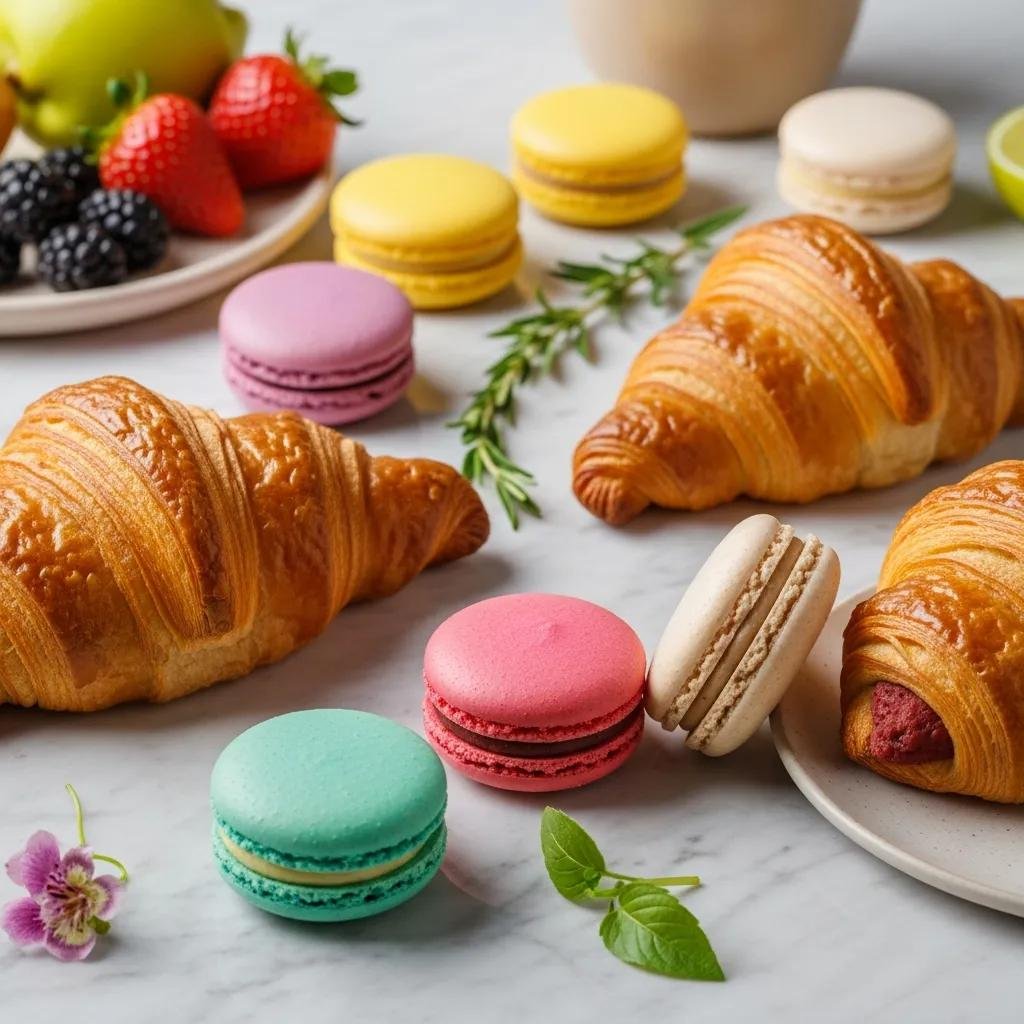
The rise of plant-based and vegan pastries is transforming the landscape of French desserts. Chefs are creatively substituting traditional ingredients with plant-based alternatives, ensuring that flavor and texture remain uncompromised. Vegan macarons, for instance, utilize aquafaba as an egg white substitute, allowing for the same airy texture without animal products. Additionally, plant-based croissants are made using vegan butter and alternative flours, appealing to those seeking indulgence without the use of animal-derived ingredients.
The growing market for these healthier options is a significant area of study for culinary businesses.
Vegan French Pastry: Healthier Trends & Market Prospects
traditional French pastries, cakes, chocolates, breads and savory treats. The ingredients are threat of new entrance and the threat of substitution.
BUSINESS PROSPECTS OF THE FIRST VEGAN PASTRY IN LUXEMBOURG: Market Research, Risk Analysis & Concept Creation, 2018
Which Functional Ingredients Enhance Health Benefits in Modern French Desserts?
Functional ingredients are becoming a staple in modern French pâtisserie, as chefs seek to create desserts that not only satisfy sweet cravings but also offer health benefits. Ingredients such as chia seeds, flaxseeds, and various superfoods are being incorporated into recipes to enhance their nutritional value. For example, pastries infused with chia seeds provide a source of omega-3 fatty acids, while those containing matcha offer antioxidants that support overall health. This trend reflects a growing consumer interest in wellness and the desire for desserts that contribute positively to one’s diet.
In What Ways Is Technology Transforming the French Baking Experience?
Technology is playing a pivotal role in transforming the French baking experience, from recipe development to customer engagement. As the culinary landscape evolves, pastry chefs are leveraging innovative tools and techniques to enhance their craft.
- AI in Recipe Development: Artificial intelligence is increasingly being utilized in recipe development, allowing chefs to experiment with new flavor combinations and optimize ingredient ratios. AI-powered tools can analyze consumer preferences and suggest recipes that align with current trends, streamlining the creative process.
- Multi-Sensory Experiences: The integration of technology in bakeries is also enhancing the customer experience. From interactive displays to augmented reality menus, bakeries are creating multi-sensory environments that engage customers on various levels. This approach not only attracts attention but also fosters a deeper connection between consumers and the pastries they enjoy.
How Does AI Influence Recipe Development and Personalization?
AI is revolutionizing recipe development by providing chefs with data-driven insights that inform their creative processes. By analyzing consumer preferences and market trends, AI tools can suggest innovative flavor pairings and ingredient substitutions that resonate with modern palates. This technology allows chefs to experiment with new recipes more efficiently, ensuring that their offerings remain relevant and appealing to customers.
This innovative application of technology is further explored in academic research.
AI in Pastry Arts: Culinary Innovation & Recipe Development
particularly in the domain of pastry arts. This pursuit was professionals, the resulting recipes are typically derived from
Seeing and tasting: The evolution of dessert in French gastronomy, 2015
What Multi-Sensory Experiences Are Enhancing Bakery Visits?
The bakery experience is being transformed through the incorporation of multi-sensory elements that engage customers beyond taste. Bakeries are utilizing technology to create immersive environments, such as interactive displays that showcase the baking process or augmented reality menus that provide a visual representation of pastries. These enhancements not only attract customers but also create memorable experiences that encourage repeat visits.
How Are Traditional French Pastries Evolving Without Losing Authenticity?
While innovation is essential, preserving the authenticity of traditional French pastries remains a priority for many chefs. The challenge lies in balancing modern techniques with time-honored recipes to create pastries that honor their heritage while appealing to contemporary tastes.
- New Flavor Profiles: Chefs are experimenting with new flavor profiles that complement classic pastries without overshadowing their traditional essence. For instance, adding unique fillings to croissants, such as lavender or pistachio, introduces exciting variations while maintaining the pastry’s core characteristics.
- Local Ingredients: The use of local ingredients is becoming increasingly important in the evolution of traditional pastries. By sourcing ingredients from nearby farms and producers, chefs can create pastries that reflect the flavors of their region while supporting local economies.
What New Flavor Profiles Are Being Added to Classic Croissants and Macarons?
The evolution of flavor profiles in classic pastries is a testament to the creativity of modern pastry chefs. By incorporating unexpected ingredients, such as exotic spices or seasonal fruits, chefs are breathing new life into traditional recipes. For example, croissants filled with passion fruit curd or macarons infused with rosewater offer a delightful twist on beloved classics, appealing to adventurous palates.
How Do Local Ingredients and Artisan Craftsmanship Shape Authenticity?
The emphasis on local ingredients and artisan craftsmanship plays a crucial role in maintaining the authenticity of French pastries. By sourcing ingredients from local farms, chefs can ensure freshness and quality while supporting their communities. Additionally, the use of traditional techniques, such as hand-rolling dough and crafting pastries from scratch, preserves the artistry of French pâtisserie, allowing chefs to create products that honor their culinary heritage.
Where Can You Experience Authentic and Innovative French Pastries Locally?
For those eager to explore the latest trends in French pâtisserie, local bakeries offer a wealth of opportunities to experience both traditional and innovative pastries. Visiting these establishments allows you to taste the creativity and craftsmanship that define modern French desserts.
What Makes De Ma Vie Bakery a Leader in French Pâtisserie Trends?
De Ma Vie Bakery stands out as a leader in the French pâtisserie scene, offering a unique blend of traditional techniques and contemporary flavors. Located in Falls Church, Virginia, this bakery is committed to using high-quality, locally sourced ingredients to create pastries that reflect the essence of French culinary art. With a focus on sustainability and innovation, De Ma Vie Bakery provides a welcoming atmosphere where customers can enjoy a diverse range of pastries, from classic croissants to inventive hybrid creations. The bakery’s dedication to excellence and community engagement makes it a must-visit destination for anyone seeking to experience the future of French pâtisserie.


