
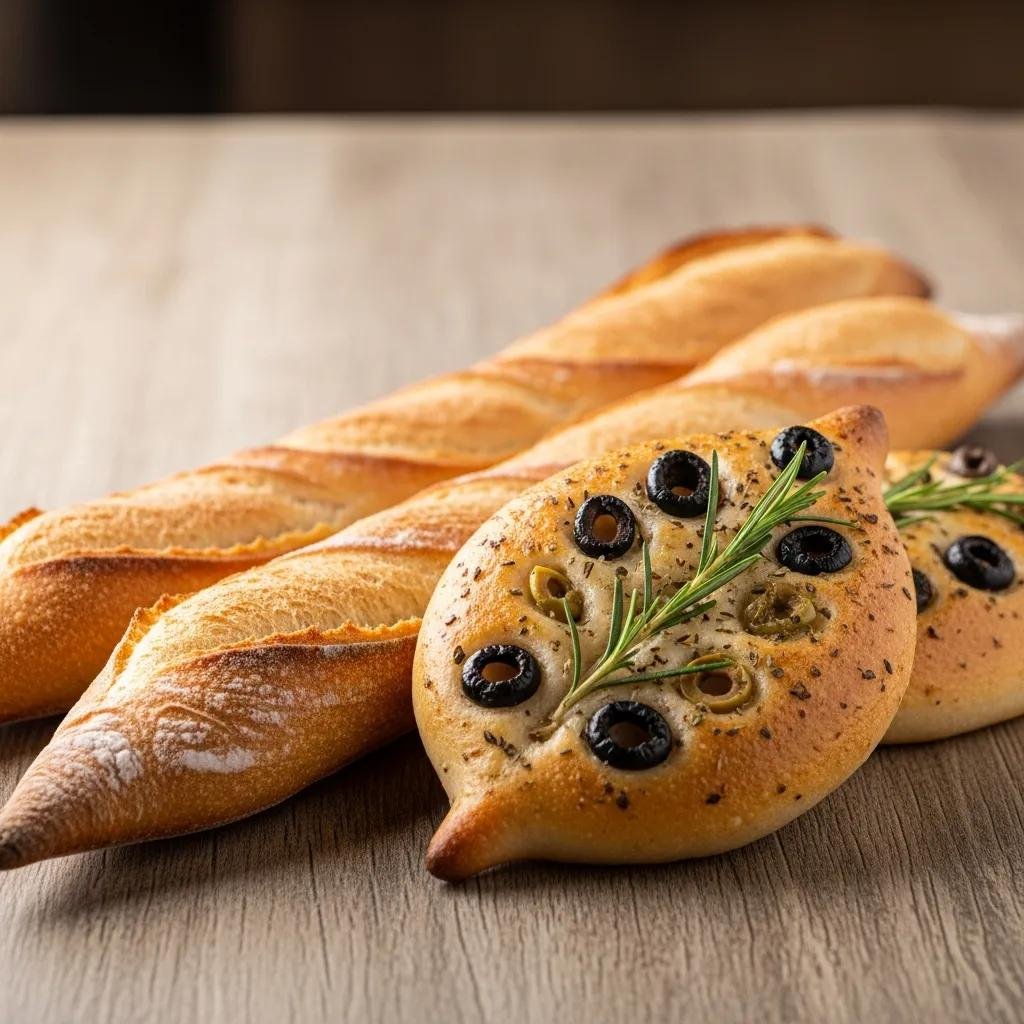
Baguette vs. Fougasse: Exploring the Differences and Uses of Iconic French Breads
The world of French bread is rich and diverse, with each type offering unique flavors, textures, and culinary uses. Among the most iconic are the baguette and fougasse, both beloved staples in French cuisine. This article delves into the characteristics that define these two breads, exploring their traditional ingredients, baking methods, and the distinct roles they play in French culture. Readers will learn about the sensory experiences associated with each bread, their ideal pairings, and how to choose between them based on occasion and preference. By the end, you will have a comprehensive understanding of baguette and fougasse, along with insights into how De Ma Vie Bakery in Falls Church, VA, crafts these authentic French breads.
What Defines a Classic French Baguette?
A classic French baguette is characterized by its long, thin shape and crispy crust, which is a result of specific baking techniques and ingredients. Traditionally, a baguette is made from just four ingredients: flour, water, salt, and yeast. The simplicity of these components allows for a focus on the quality of the flour and the fermentation process, which is crucial for developing flavor and texture. The dough undergoes a lengthy fermentation process, often involving a pre-ferment known as poolish or levain, which enhances the bread’s flavor profile.
This lengthy fermentation, often initiated with a preferment like poolish, is a cornerstone of quality bread making.
French Bread Fermentation & Poolish Methods
In a general sense, baking can be thought of as “fermentation management.” Prefermented dough,poolish,and other preferment methods are ways of giving a “head start” to a new dough. This approach permits shorter bulk fermentation times without loss of quality.
Fermentation, 2001
What are the traditional ingredients and baking methods of a baguette?
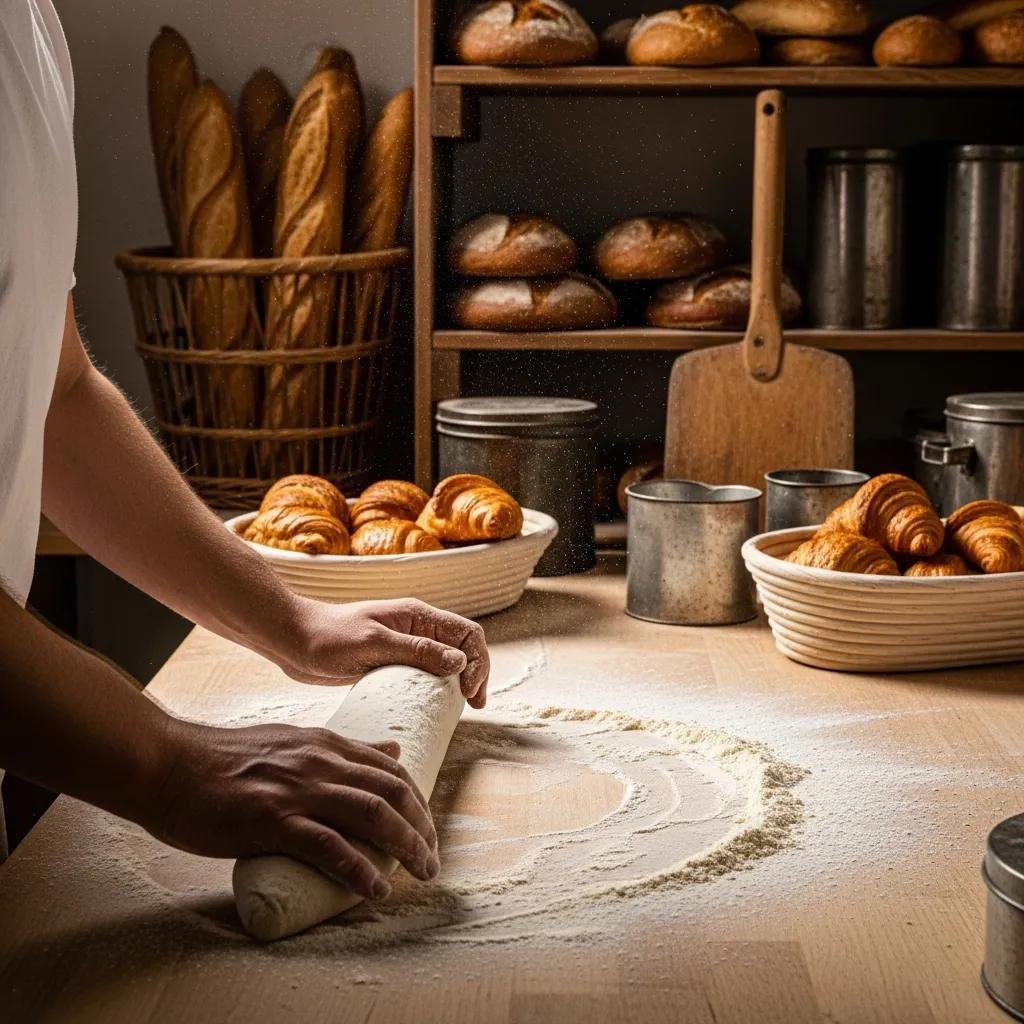
The traditional ingredients of a baguette include wheat flour, water, salt, and yeast. The flour used is typically a strong bread flour, which provides the necessary gluten structure for the bread. The baking method involves a fermentation process, where the dough is allowed to rise slowly, developing complex flavors. After shaping, the baguette is scored before baking, allowing for the characteristic burst of the crust during the baking process. This method results in a light, airy crumb and a crispy exterior that is quintessential to the baguette experience.
How does the texture and crust of a baguette distinguish it from other breads?
The texture of a baguette is defined by its chewy crumb and crispy crust. The crust is achieved through high-temperature baking, often with steam introduced into the oven, which helps create a glossy, golden-brown exterior. This contrast between the crunchy crust and the soft, airy interior is what sets the baguette apart from other breads. The sensory experience of biting into a baguette, with its satisfying crunch followed by a tender chew, is a hallmark of this iconic bread.
What Makes Fougasse a Unique French Flatbread?
Fougasse is a unique French flatbread that stands out due to its distinctive leaf or ladder shape and flavorful toppings. Traditionally associated with the Provence region, fougasse is often infused with ingredients like olive oil, herbs, and sometimes cheese, making it a versatile bread for various culinary applications. The shaping technique used to create fougasse involves stretching and cutting the dough, which not only gives it its characteristic appearance but also contributes to its texture.
What ingredients and shaping techniques create fougasse’s distinctive leaf shape?
Fougasse is typically made with similar ingredients to baguette, including flour, water, yeast, and salt, but it often incorporates olive oil, which adds richness and flavor. The dough is shaped by stretching it into a flat oval and making cuts to create a leaf-like or ladder-like appearance. This technique not only enhances the visual appeal but also allows for the incorporation of toppings such as olives, herbs, or cheese, which can be pressed into the dough before baking. The result is a flavorful, aromatic bread that is perfect for sharing.
How is fougasse traditionally used and served in French cuisine?
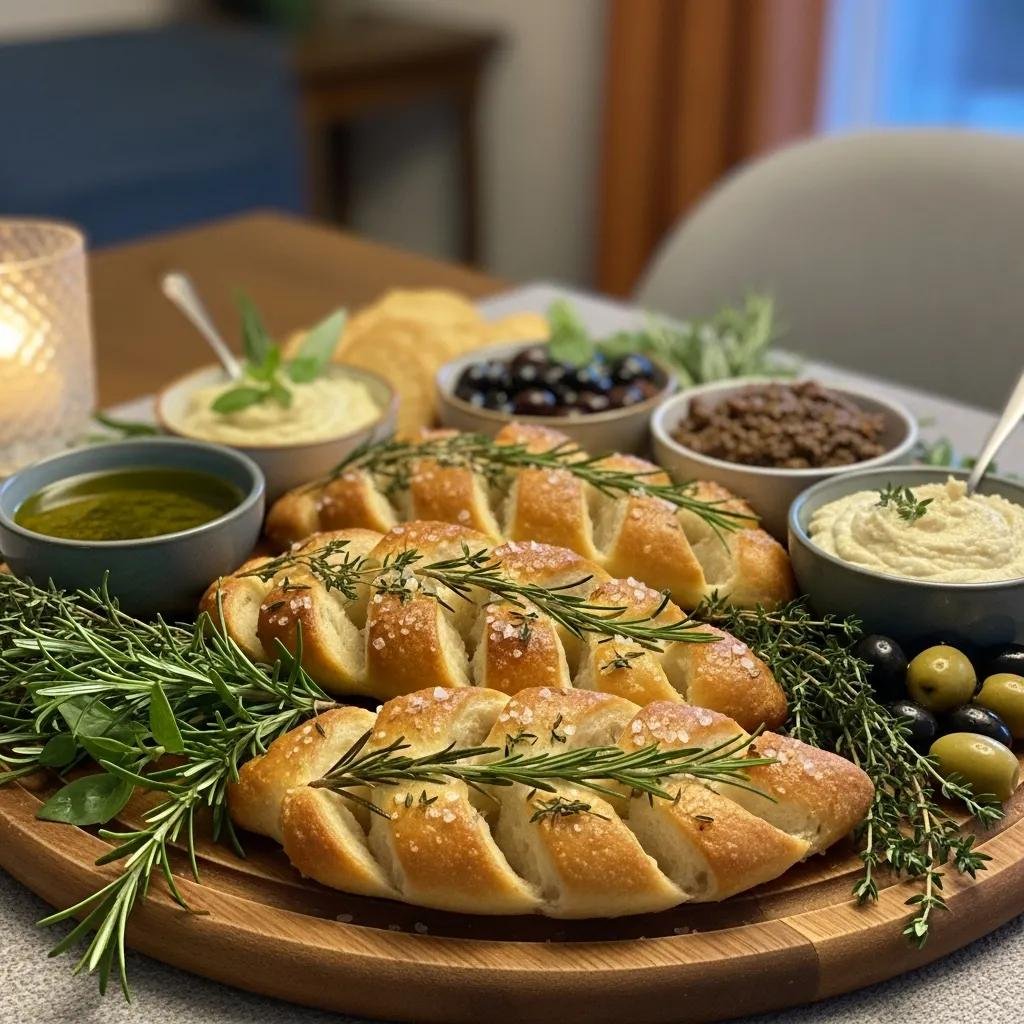
In French cuisine, fougasse is often served as an appetizer or snack, typically accompanied by dips such as tapenade or olive oil for dipping. It can also be enjoyed alongside soups and salads, making it a versatile addition to any meal. The bread’s rich flavors and appealing texture make it a popular choice for gatherings and celebrations, where it can be served warm and fresh from the oven.
How Do Baguette and Fougasse Compare in Flavor, Texture, and Use?
When comparing baguette and fougasse, several key differences emerge in terms of shape, crust, and crumb. While both breads share a common base of ingredients, their preparation and presentation set them apart. Baguettes are long and thin, with a crispy crust and chewy interior, while fougasse is flat and often adorned with toppings, offering a more rustic appearance and a variety of flavors.
What are the key differences in shape, crust, and crumb between baguette and fougasse?
| Bread Type | Shape | Crust | Crumb |
|---|---|---|---|
| Baguette | Long and thin | Crispy | Chewy |
| Fougasse | Flat and wide | Soft to crispy | Airy and tender |
When should you choose baguette over fougasse and vice versa?
Choosing between baguette and fougasse often depends on the occasion and the intended use. Baguettes are ideal for sandwiches, serving as a base for classic French dishes like jambon-beurre (ham and butter) or simply enjoyed with cheese. Fougasse, on the other hand, shines as a sharing bread, perfect for dipping or serving alongside a charcuterie board. For a casual gathering, fougasse may be the preferred choice, while baguettes are excellent for more formal meals.
How Does De Ma Vie Bakery Craft Authentic French Breads in Falls Church, VA?
At De Ma Vie Bakery, the art of crafting authentic French breads is taken seriously. The bakery employs traditional French baking techniques, ensuring that each loaf of baguette and fougasse is made with care and precision. Local ingredients are sourced to enhance the quality and flavor of the breads, reflecting the bakery’s commitment to authenticity and excellence.
What traditional French baking techniques and local ingredients does De Ma Vie use?
De Ma Vie Bakery utilizes time-honored techniques such as long fermentation and hand shaping to create their baguettes and fougasse. The use of local ingredients, including high-quality flour and fresh herbs, contributes to the distinctive flavors of their breads. This dedication to traditional methods ensures that each loaf not only meets but exceeds the expectations of customers seeking genuine French bread.
How can customers experience De Ma Vie’s baguette and fougasse offerings in person?
Customers can visit De Ma Vie Bakery located at 7787 Leesburg Pike, Falls Church, VA 22043, to experience the delightful offerings of baguette and fougasse. The bakery provides a warm and inviting atmosphere where patrons can enjoy freshly baked bread, along with a selection of pastries and other baked goods. Whether you’re looking to grab a quick bite or take home a loaf, De Ma Vie Bakery is the perfect destination for authentic French bread.
What Are the Best Pairings for Baguette and Fougasse at De Ma Vie Bakery?
Pairing bread with the right accompaniments can elevate the dining experience. Both baguette and fougasse offer unique pairing opportunities that enhance their flavors and textures.
Which cheeses, soups, and charcuterie complement the baguette?
Baguettes pair beautifully with a variety of cheeses, such as creamy Brie, tangy goat cheese, or sharp aged cheddar. They also complement hearty soups like French onion or creamy tomato, making them a versatile choice for any meal. Additionally, a selection of charcuterie, including prosciutto and salami, can be enjoyed alongside baguette slices for a delightful appetizer.
What spreads and appetizers enhance the flavor of fougasse?
Fougasse is often enjoyed with a range of spreads and appetizers. Olive oil infused with herbs makes for a simple yet delicious dip, while tapenade adds a burst of flavor. Additionally, serving fougasse with a selection of antipasti, such as marinated olives or roasted vegetables, can create a delightful sharing platter that highlights the bread’s unique flavors.


