
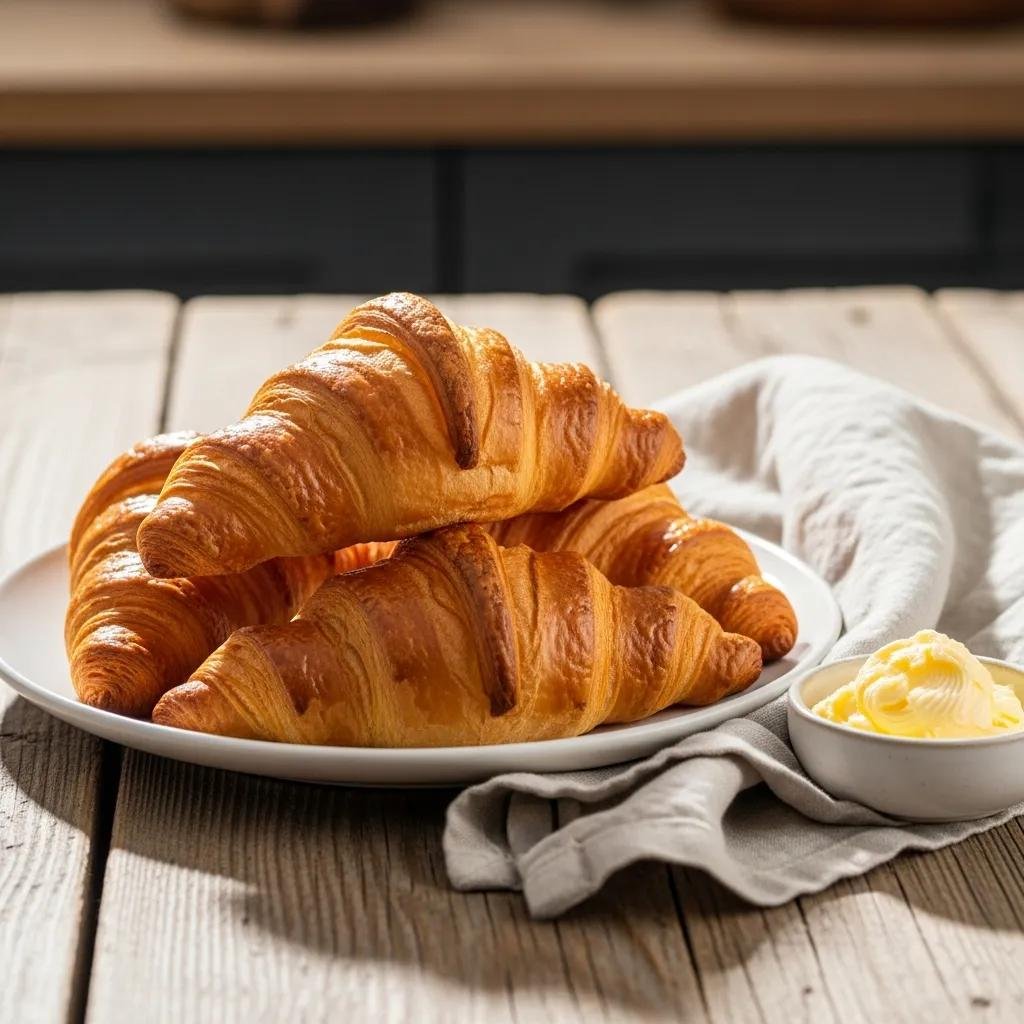
The Ultimate Guide to French Croissants: Authentic Recipes, Techniques, and Local Favorites
French croissants are a beloved pastry known for their flaky, buttery layers and delightful taste. This comprehensive guide will explore the unique characteristics that make French croissants stand out, the essential techniques for mastering the perfect recipe, and the various types of croissants you can enjoy. Whether you’re a baking enthusiast or simply a croissant lover, this guide will provide valuable insights into the art of croissant making. Many people struggle to replicate the authentic taste and texture of croissants found in French bakeries. However, with the right ingredients and techniques, you can create delicious croissants at home. We will cover the key ingredients, step-by-step recipes, and tips for achieving the best results. Additionally, we will highlight De Ma Vie Bakery, a local gem in Falls Church, VA, known for its exceptional croissants.
What Makes a French Croissant Unique? Key Ingredients and Characteristics
French croissants are distinguished by their unique texture and flavor, which stem from a few key ingredients and techniques. The hallmark of an authentic French croissant is its flaky layers, achieved through a meticulous lamination process that incorporates high-quality butter and dough. The combination of these elements results in a pastry that is both light and rich, making it a favorite among pastry lovers.
Further research highlights the critical role of flour quality and gluten in achieving the desired structure and lamination of croissants.
Flour Gluten’s Impact on Croissant Structure & Lamination
The study focuses on key quality parameters of flour—including moisture content, gluten percentage, gluten quality (measured by the IDK index), and enzymatic activity—and examines how these factors influence the elasticity, stability, and lamination properties of the dough. The analysis also includes visual comparisons of the baked croissants made from both samples, highlighting structural differences such as porosity, crumb texture, and layer definition.
THE INFLUENCE OF FLOUR GLUTEN ON THE STRUCTURE AND LAMINATION OF CROISSANTS, A Jabborov, 2025
Which ingredients define an authentic French croissant?
The essential ingredients for an authentic French croissant include high-fat butter, strong flour, yeast, sugar, salt, and milk. The quality of these ingredients significantly impacts the final product. For instance, using European-style butter with a higher fat content enhances the flavor and flakiness of the croissant. Additionally, the type of flour used, typically a strong bread flour, provides the necessary gluten structure for the dough. Yeast and milk contribute to the dough’s rise and richness, creating a delightful pastry that is both airy and satisfying.
Research further emphasizes that the quality of flour, particularly its gluten content, is paramount for achieving the desired structure and lamination in croissants.
Flour Quality & Gluten’s Impact on Croissant Structure
This article provides a comprehensive analysis of the quality indicators of flour used in croissant production, the research methodology employed, and the laboratory test results of two different flour samples. Among the samples analyzed, one was found to be suitable for croissant preparation, while the other negatively affected the dough structure, leading to issues such as loss of shape, poor lamination, and reduced baking quality.The study focuses on key quality parameters of flour—including moisture content, gluten percentage, gluten quality (measured by the IDK index), and enzymatic activity—and examines how these factors influence the elasticity, stability, and lamination properties of the dough. The analysis also includes visual comparisons of the baked croissants made from both samples, highlighting structural differences such as porosity, crumb texture, and layer definition.The results demonstrate that optimal flour characteristics are crucial for achieving light, airy
THE INFLUENCE OF FLOUR GLUTEN ON THE STRUCTURE AND LAMINATION OF CROISSANTS, A Jabborov, 2025
How does lamination create the signature flaky texture?
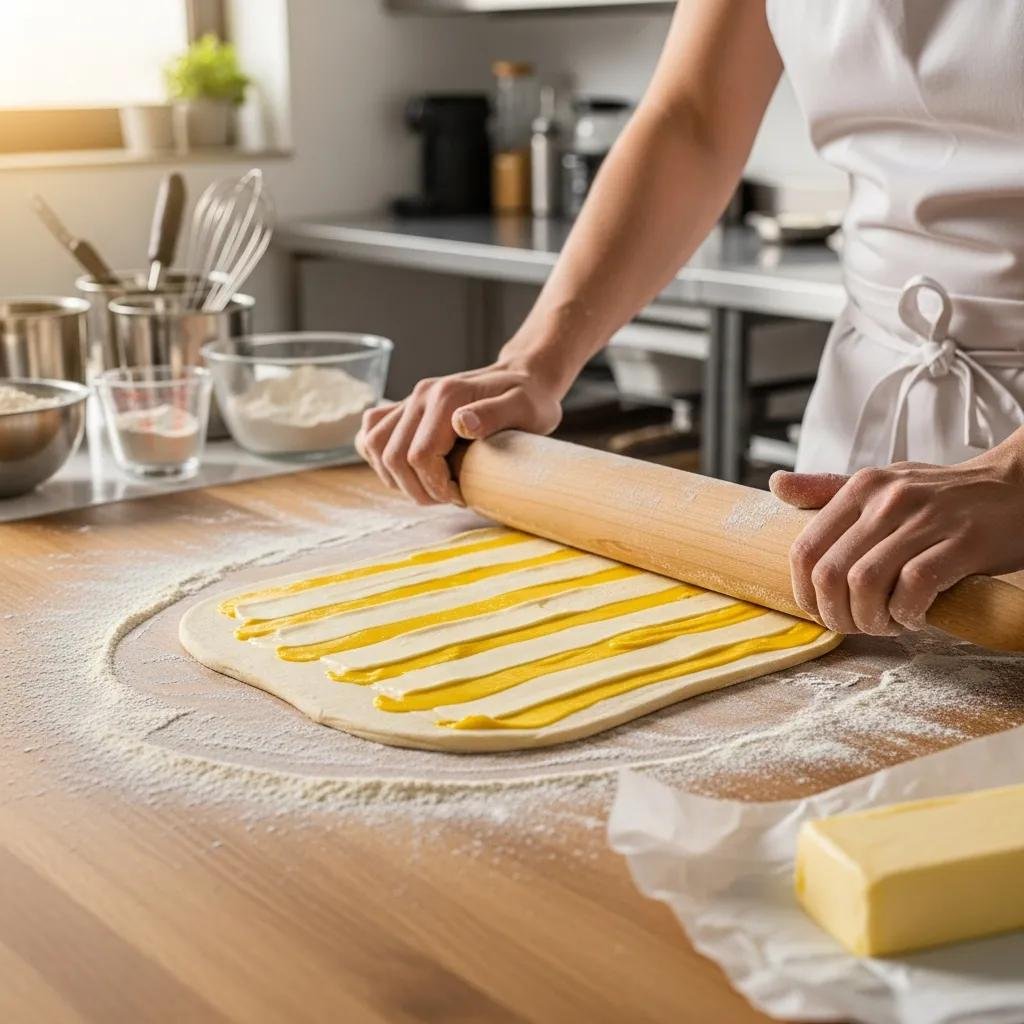
Lamination is the process of folding and rolling dough with layers of butter to create the signature flaky texture of croissants. This technique involves encasing a block of butter in the dough and rolling it out multiple times to create thin layers. Each fold and roll creates additional layers of butter and dough, which, when baked, puff up and separate, resulting in the characteristic flakiness. The key to successful lamination is maintaining the right temperature and ensuring that the butter remains cold throughout the process, preventing it from melting into the dough.
How to Master the French Croissant Recipe: Step-by-Step Guide
Creating the perfect French croissant requires attention to detail and patience. This step-by-step guide will walk you through the essential stages of preparing croissant dough, from mixing the ingredients to baking the final product.
What are the essential steps in preparing croissant dough?
To prepare croissant dough, start by mixing the flour, yeast, sugar, and salt in a bowl. Gradually add milk and water, kneading until a smooth dough forms. Allow the dough to rest for about 30 minutes, which helps to relax the gluten. After resting, roll out the dough into a rectangle and place a cold block of butter in the center. Fold the dough over the butter, sealing the edges, and then roll it out again. Repeat this folding and rolling process three to four times, allowing the dough to chill in the refrigerator between folds. This process creates the layers necessary for a flaky croissant.
How to perfect lamination and folding techniques for flakiness?
Perfecting the lamination and folding techniques is crucial for achieving the desired flakiness in croissants. When rolling out the dough, ensure that you maintain an even thickness and avoid excessive pressure, which can compress the layers. Use a light touch and keep the dough cold to prevent the butter from melting. After each fold, allow the dough to rest in the refrigerator for at least 30 minutes. This resting period helps to relax the gluten and keeps the butter firm, ensuring that the layers remain distinct during baking.
Studies further elaborate on how the precise number of folds during lamination directly influences the croissant’s volume, flakiness, and internal air cell structure.
Optimizing Croissant Flakiness: The Science of Dough Folding
The purpose of this experiment is to determine the effect on volume, flakiness, and air cell size and amount in basic croissants when the dough is folded less than and more than what’s currently considered standard. The process of dough lamination, or the creation of alternating layers of dough and fat, is a technique used in various pastries. The layer of fat, often butter or margarine, creates an impenetrable barrier to the steam, or water vapor, produced by surrounding dough layers. This facilitates lift within the pastry and while many types don’t contain yeast, lamination becomes crucial to the finalized shape and volume of the product. The more layers of fat, the more supposed lift a pastry can undergo, however, as folds increase, the thinning of each fat layer also increases the likelihood of fracture or pooling together unevenly. Thus, too much fracturing can result in a loss of gas retention and lift as well as decrease the flakiness.
Effects of Folding on Laminated Dough, 2023
Maintaining a consistent fat layer throughout the lamination process is critical for the dough’s ability to rise and achieve its signature airy, flaky texture.
Lamination & Fat Layer Consistency for Flaky Croissants
The lamination process gives the dough the capacity to rise in a certain way, resulting in an airy, flaky texture. (Bousquieres et al., 2014). The fat layer must be spread consistently throughout the dough to ensure proper separation and expansion during baking.
Optimization of levels of ingredients for development of Croissants from composite flour of Barley and Wheat, 2014
What Are the Different Types of French Croissants? Varieties Explained
French croissants come in various types, each offering a unique flavor and texture. Understanding these varieties can enhance your appreciation for this classic pastry.
Which classic croissant varieties should you know?
Some classic croissant varieties include:
- Croissant Nature: The traditional version, known for its buttery flavor and flaky texture.
- Pain au Chocolat: A delightful variation filled with rich dark chocolate, perfect for those with a sweet tooth.
- Croissant aux Amandes: An almond-filled croissant topped with sliced almonds and powdered sugar, offering a nutty flavor.
How do specialty and hybrid croissants differ?
In recent years, specialty and hybrid croissants have gained popularity, showcasing innovative flavors and fillings. These can include:
- Savory Croissants: Filled with ingredients like ham and cheese or spinach and feta, providing a delicious twist on the classic.
- Mini Croissants: Smaller versions that are perfect for snacking or serving at gatherings.
- Healthier Options: Made with whole grain flour or alternative ingredients to cater to dietary preferences.
Why Choose De Ma Vie Bakery for the Best Croissants in Falls Church, VA?
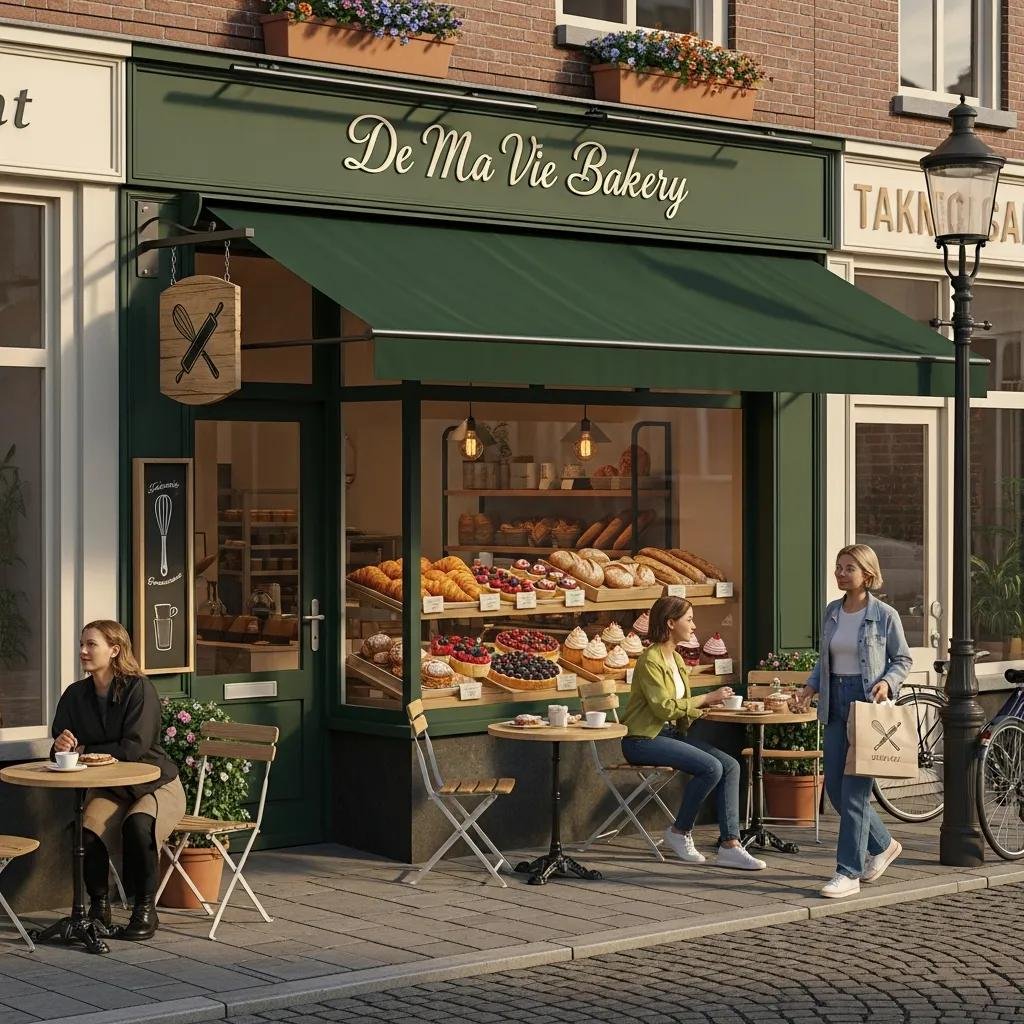
De Ma Vie Bakery stands out as a premier destination for authentic French croissants in Falls Church, VA. The bakery prides itself on using high-quality ingredients and traditional techniques to create pastries that transport you to Paris.
What makes De Ma Vie’s croissants authentic and high-quality?
De Ma Vie Bakery sources its ingredients carefully, ensuring that only the finest butter and flour are used in their croissants. The bakery’s commitment to authenticity is evident in every bite, with each croissant crafted to perfection. Customers rave about the flaky texture and rich flavor, making it a local favorite for pastry lovers.
How can you visit or order from De Ma Vie Bakery?
Located at 7787 Leesburg Pike, Falls Church, VA 22043, De Ma Vie Bakery welcomes visitors to enjoy their freshly baked goods in a charming atmosphere. For those unable to visit in person, the bakery offers convenient ordering options, allowing you to savor their delicious croissants from the comfort of your home. You can also find them on Google Maps for easy navigation.
What Are Expert Tips and FAQs for Baking Perfect French Croissants?
Baking perfect French croissants can be challenging, but with the right tips and techniques, you can achieve excellent results.
What is the secret to flaky croissants?
The secret to flaky croissants lies in the quality of the butter and the lamination process. Using high-fat butter ensures that the layers remain distinct and flaky during baking. Additionally, maintaining the right temperature throughout the process is crucial; the dough and butter should be kept cold to prevent melting.
How many folds and proofing times yield the best results?
For optimal results, aim for three to four folds during the lamination process, allowing the dough to rest in the refrigerator between each fold. Proofing the croissants before baking is equally important; a final proof of about 1-2 hours at room temperature allows the dough to rise and develop flavor. This careful attention to detail will yield croissants that are light, airy, and delicious.
The number of folds during lamination directly impacts the croissant’s volume, flakiness, and internal air cell structure, requiring a careful balance to prevent fracturing and ensure optimal lift.
Croissant Lamination: Folding for Flakiness & Volume
The purpose of this experiment is to determine the effect on volume, flakiness, and air cell size and amount in basic croissants when the dough is folded less than and more than what’s currently considered standard. The process of dough lamination, or the creation of alternating layers of dough and fat, is a technique used in various pastries. The layer of fat, often butter or margarine, creates an impenetrable barrier to the steam, or water vapor, produced by surrounding dough layers. This facilitates lift within the pastry and while many types don’t contain yeast, lamination becomes crucial to the finalized shape and volume of the product. The more layers of fat, the more supposed lift a pastry can undergo, however, as folds increase, the thinning of each fat layer also increases the likelihood of fracture or pooling together unevenly. Thus, too much fracturing can result in a loss of gas retention and lift as well as decrease the flakiness. Consequently, a balance must be fo
Effects of Folding on Laminated Dough, 2023
Different types of French croissants offer a delightful array of flavors and textures, making them a versatile pastry choice. Whether you prefer the classic croissant nature or a more adventurous flavor, there is a croissant for everyone to enjoy.


